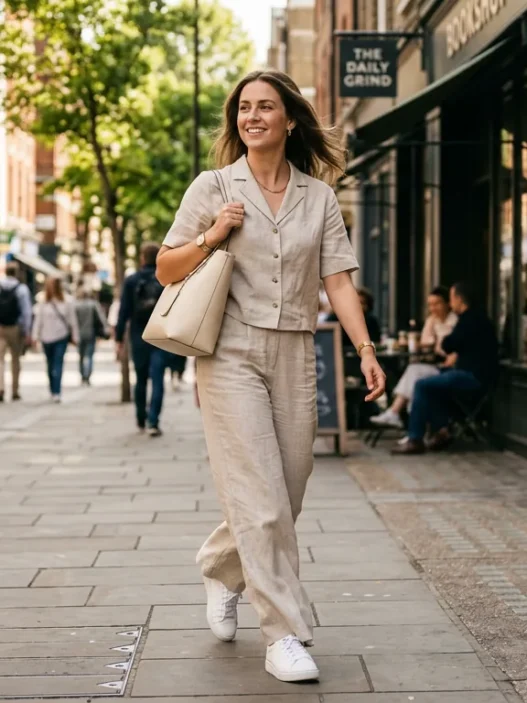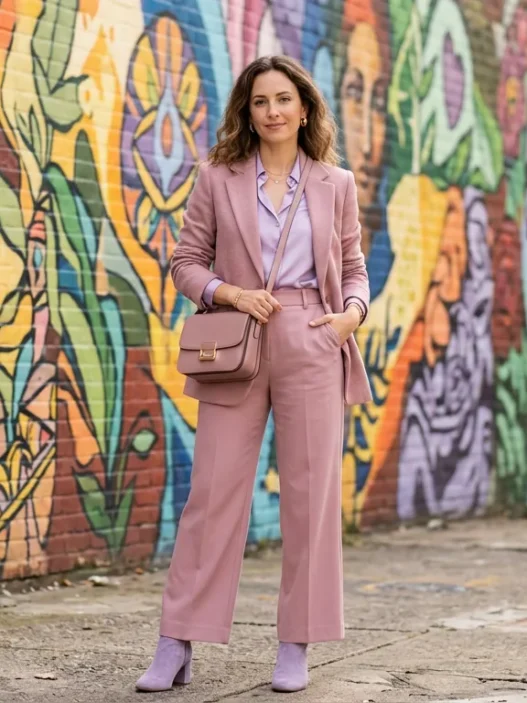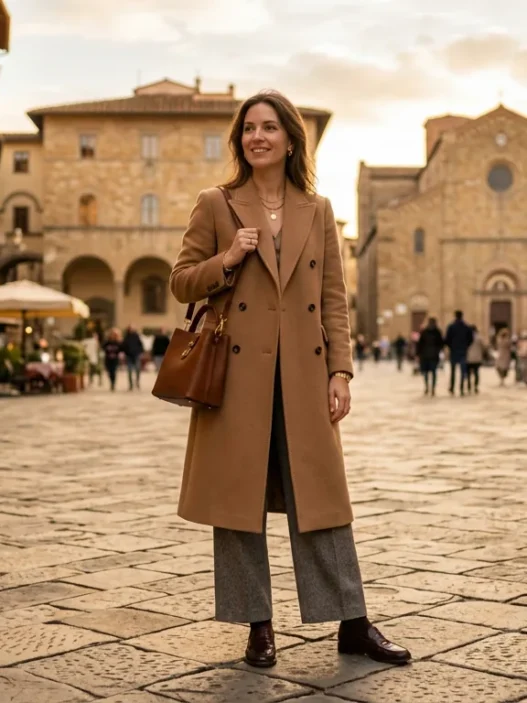




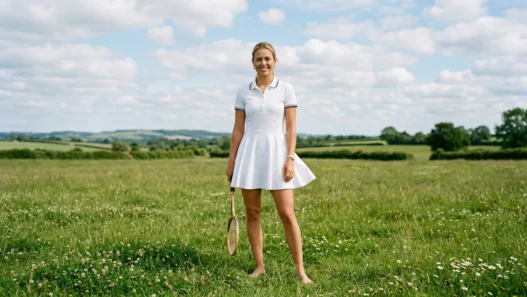

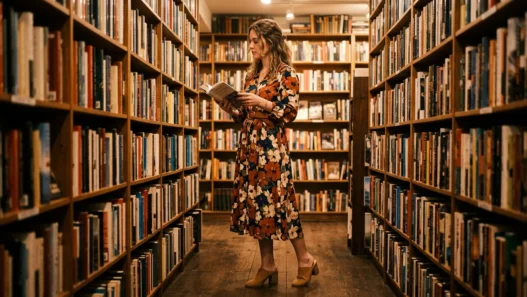



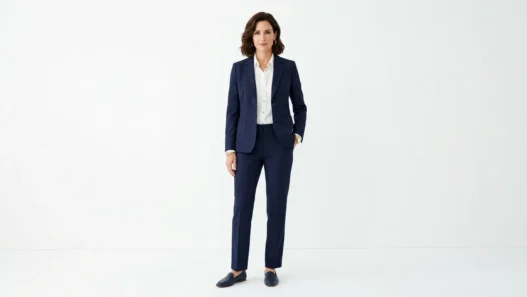
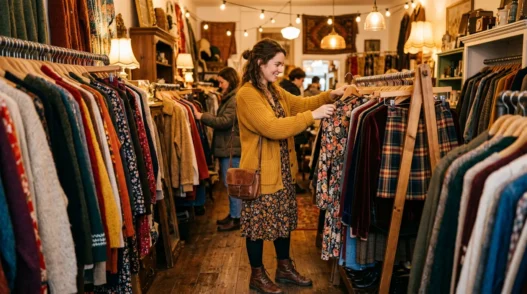
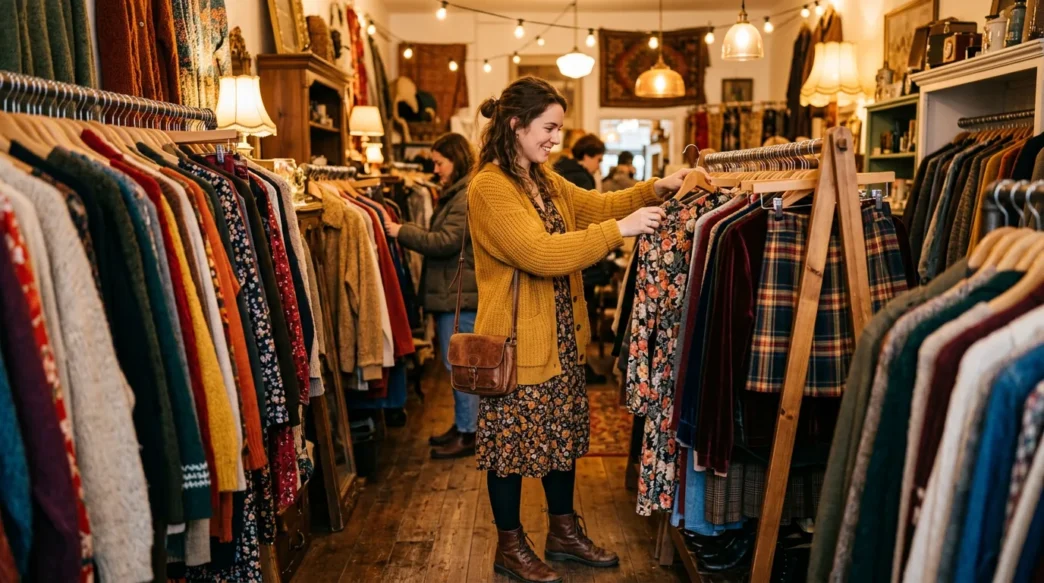
I’ve been watching Korean fashion evolve for years, but something shifted dramatically in 2026. What used to be niche styling tips I’d share with friends has suddenly become mainstream conversation. Last week, three separate people asked me where to find “that Korean layering style” — and these weren’t fashion-obsessed friends.
The numbers back up what I’m seeing. Korean fashion searches jumped 340% this year compared to 2025. But this isn’t just another fleeting trend driven by a viral TikTok dance.
What We’re Covering in This Style Deep-Dive
What Changed in Korean Fashion
Korean fashion broke free from the K-pop stereotype this year. Remember when Korean style meant copying idol outfits? That era ended abruptly in early 2026.
The shift happened when everyday Korean women started getting international attention for their street style. Not performers. Not influencers with million-dollar styling budgets. Regular women walking to work in Seoul, layering oversized blazers over fitted knits in ways that looked effortlessly chic.
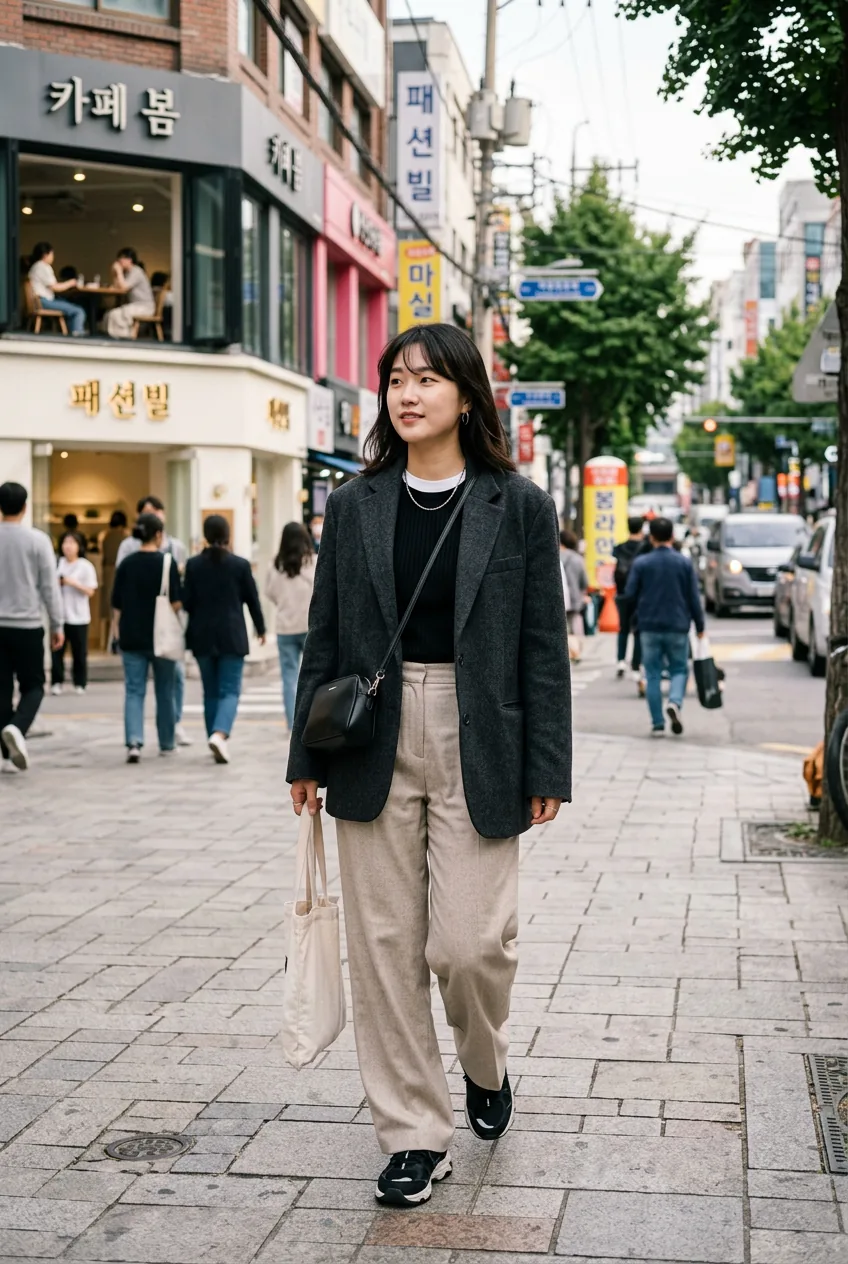
What caught the fashion world’s attention was the practicality. Korean women mastered the art of looking put-together while dealing with real life — subway commutes, unpredictable weather, long work days. Their styling solutions were brilliant.
The color palette evolved too. Gone are the kawaii pastels that dominated Korean fashion imports. 2026 Korean style embraces rich earth tones, sophisticated neutrals, and unexpected color blocking that actually works in Western wardrobes.
Who’s Driving This Movement
Three groups converged to create this Korean fashion explosion, and none of them are who you’d expect.
Fashion editors discovered Korean brands first. While everyone was focused on K-beauty and K-dramas, editors quietly started featuring pieces from brands like Andersson Bell and Low Classic. These weren’t fast fashion interpretations — they were the actual Korean designers.
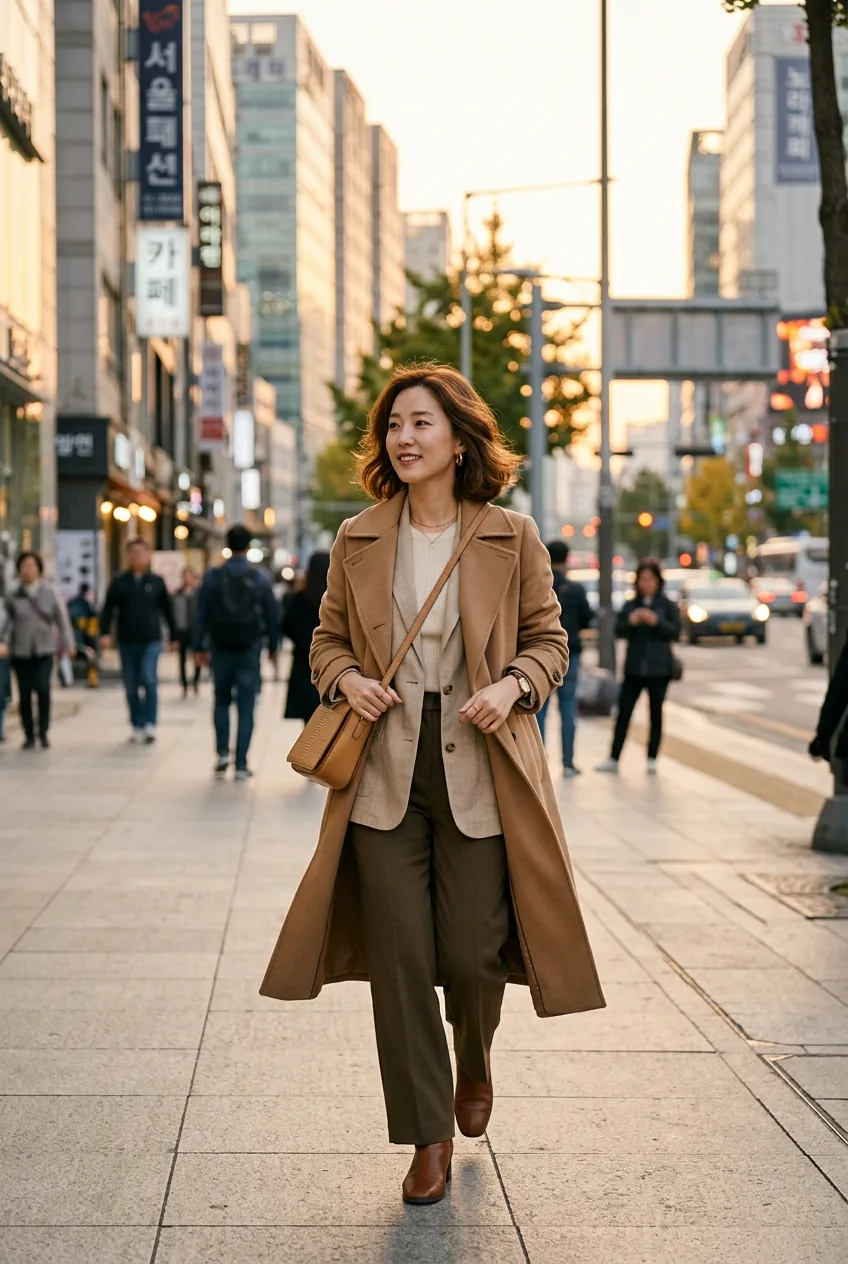
Then came the styling influencers. Not Korean influencers — Western stylists who started incorporating Korean pieces into their clients’ wardrobes. They loved how Korean designers approached proportion and layering differently. A Korean-cut blazer just hits different than European tailoring.
Finally, the breakthrough moment: when non-Asian women started naturally gravitating toward Korean fashion principles without even realizing it. The oversized-over-fitted formula? The way Korean women style wide-leg trousers with fitted tops? These techniques solve real styling problems.
That’s when I knew this wasn’t just another passing trend. When fashion principles become intuitive to people from completely different style backgrounds, that’s lasting influence.
The Street Style Revolution
Korean street style photographs differently than any other fashion capital. There’s something about the way Korean women approach proportions that creates visual harmony in ways I’m still trying to understand.
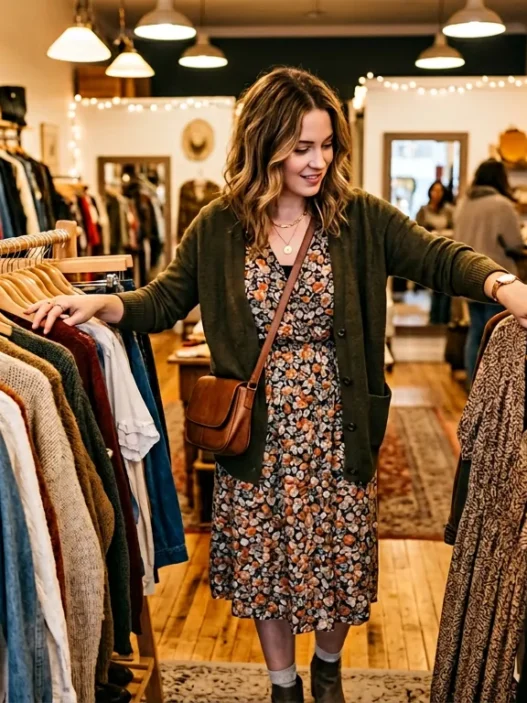
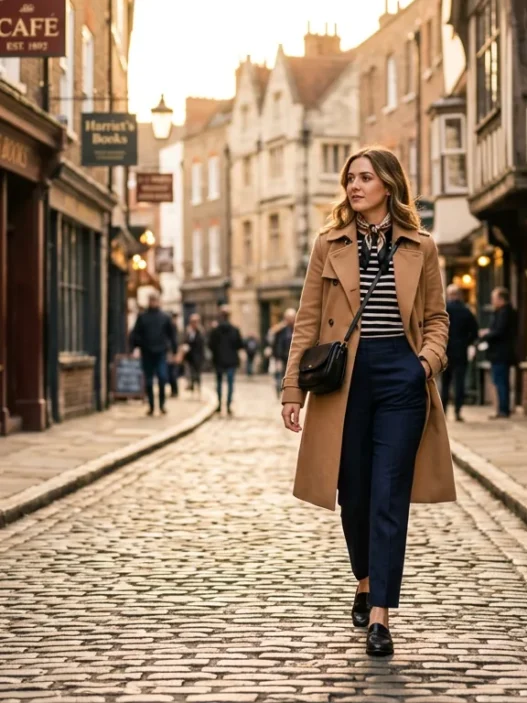
Take the layering approach. Instead of Western layering (which often adds bulk), Korean layering creates structure. A fitted turtleneck under an oversized shirt under a tailored coat — but somehow the silhouette stays clean and intentional.
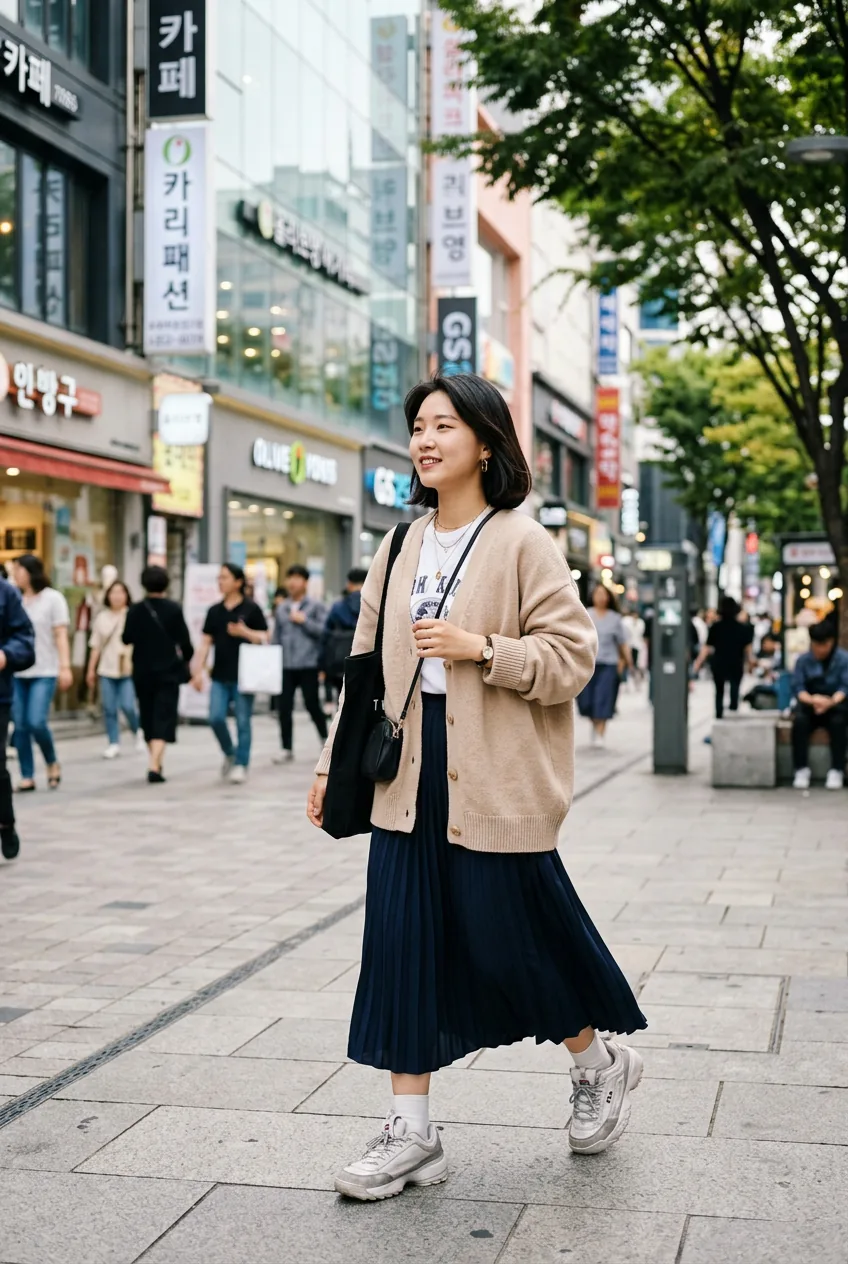
The footwear game changed everything too. Korean women pioneered wearing chunky sneakers with feminine pieces in ways that looked sophisticated, not sporty. They made platform loafers work with midi skirts. They turned utilitarian boots into statement pieces.
But here’s my controversial take: Korean street style photographs better because Korean women understand their angles. There’s a self-awareness in how they present themselves that translates beautifully to street style photography. It’s not posing — it’s understanding how their outfit choices photograph.
And that translates to social media success. Korean fashion principles create outfits that look amazing in photos, which is exactly what everyone needs for their Instagram feeds.
See the Layering Technique in Action
Beyond Seoul — Global Influence
Korean fashion’s global takeover happened city by city, and I watched it spread in real time through my fashion industry friends.
Tokyo adapted Korean proportions first — no surprise there. But London fashion week buyers started placing Korean brand orders in early 2026. Then Paris fashion schools began analyzing Korean construction techniques. New York stylists started requesting Korean pieces for editorial shoots.
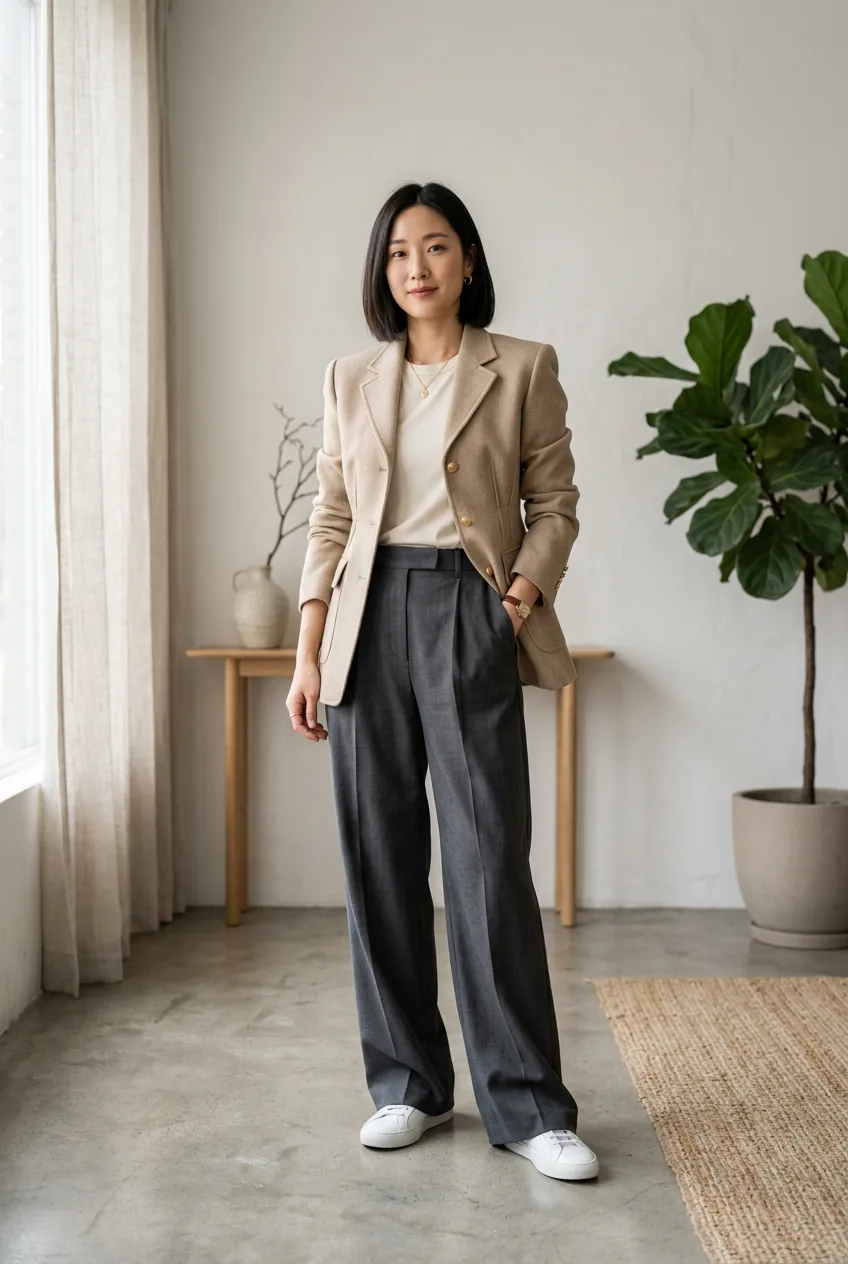
The beauty-fashion crossover became impossible to ignore. Korean brands understood something Western fashion missed: the connection between beauty trends and clothing design. When Korean makeup emphasized clean, minimalist looks, Korean fashion provided the perfect backdrop.
High-end retailers noticed. Net-a-Porter added a Korean designers section. Matches Fashion started featuring Korean brands in their trend reports. Suddenly, Korean fashion wasn’t alternative anymore — it was luxury.
But the real validation came when European fashion houses started hiring Korean designers for creative director positions. That’s when you know influence has shifted from trending to institutional.
Should You Try Korean Fashion
Yes, but not the way most people are attempting it.
I see too many women trying to copy entire Korean outfits instead of understanding Korean fashion principles. The magic isn’t in buying Korean brands (though some are fantastic). It’s in applying Korean styling approaches to pieces you already own.
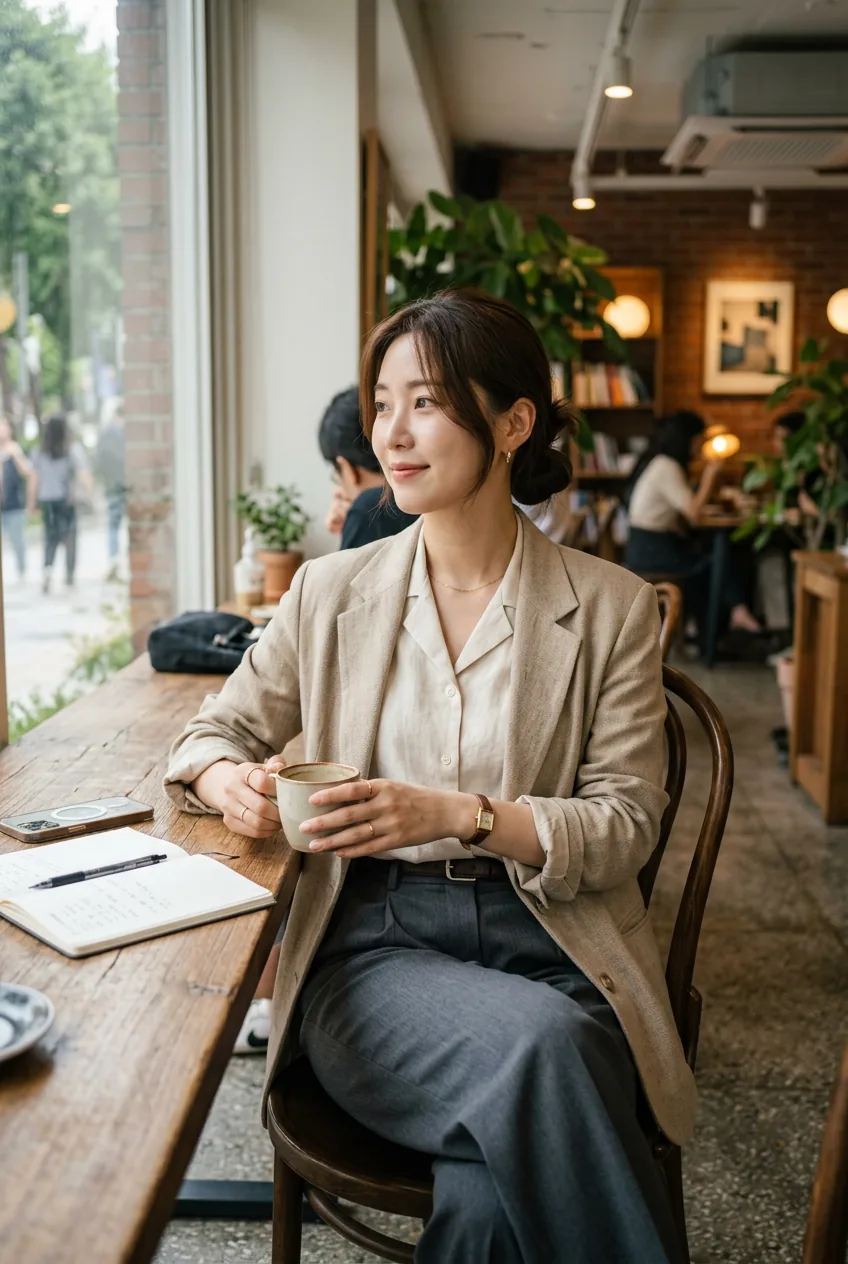
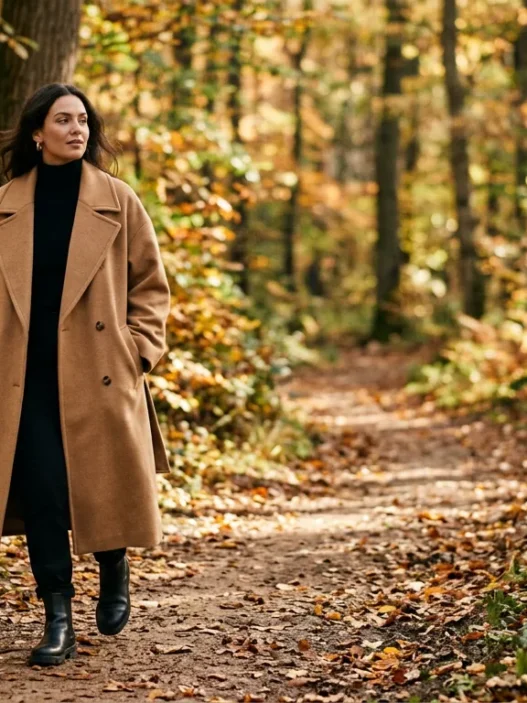
Start with proportion experimentation. Korean fashion excels at unexpected proportion mixing. Try an oversized cardigan with fitted pants instead of matching oversized pieces. Or pair a fitted blazer with wide-leg trousers instead of the traditional fitted blazer-fitted pants combination.
Master the Korean color approach. Korean outfits often feature one statement color with multiple neutrals, rather than the Western approach of matching or complementary colors. A bright blue coat with beige, cream, and white pieces creates more visual interest than blue-and-white combinations.
Understand Korean layering logic. Each layer should serve a purpose — warmth, proportion, or color balance. Random layering looks messy. Intentional layering looks Korean.
The mistake I see constantly? Trying to make Korean fashion work with Western fashion rules. Korean fashion operates on different principles. You have to embrace the Korean approach to proportions and silhouettes, not just buy Korean-looking pieces.
Where It’s Going Next
Korean fashion’s influence is just beginning, and I have strong opinions about where this heads in 2027 and beyond.
The workwear integration will accelerate. Korean designers understand modern work life better than traditional fashion houses. Their pieces transition from commute to office to dinner seamlessly. As return-to-office policies solidify, Korean fashion’s practical elegance will become essential.
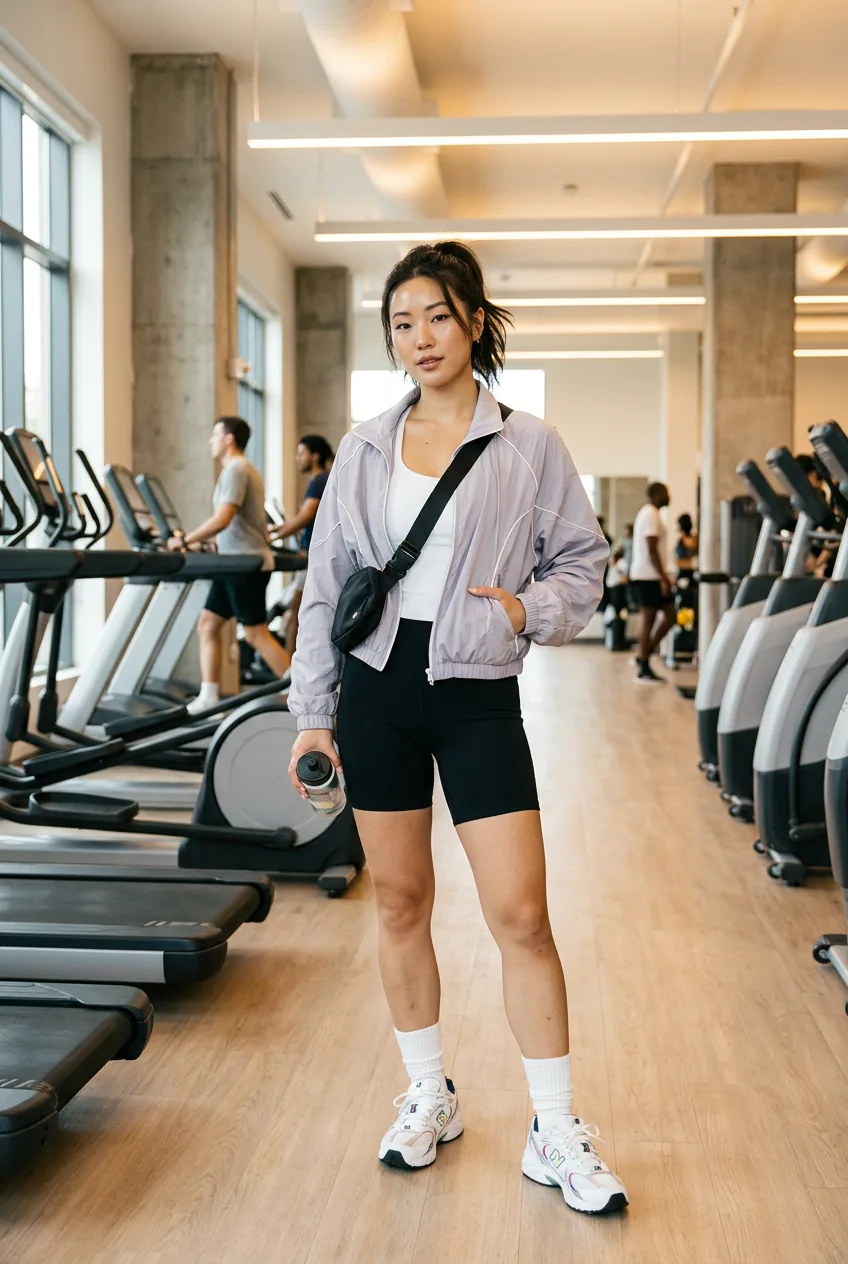
Sustainability will drive Korean fashion’s next phase. Korean brands already emphasize quality construction and versatile pieces — exactly what conscious consumers want. While fast fashion churns out Korean-inspired knockoffs, the real Korean brands will position themselves as sustainable luxury alternatives.
But here’s my prediction that might surprise you: Korean fashion will influence athletic wear next. The Korean approach to proportion and layering solves athletic wear’s biggest problem — looking polished while staying functional. I expect Korean-influenced activewear to dominate 2027.
The sustainable fashion movement will embrace Korean design principles because they align perfectly with conscious consumption values.
Will Korean fashion maintain this momentum? Absolutely. This isn’t trend-driven popularity — it’s problem-solving fashion that addresses real wardrobe challenges. That kind of influence doesn’t fade.
I’m already planning my 2027 wardrobe around Korean fashion principles. Not because it’s trendy, but because it works better than anything else I’ve tried for creating effortless, sophisticated looks that photograph beautifully and feel comfortable all day.
Korean fashion solved problems I didn’t even realize I had with my styling approach. And that’s why this moment isn’t just a moment — it’s a permanent shift in how we think about getting dressed.