










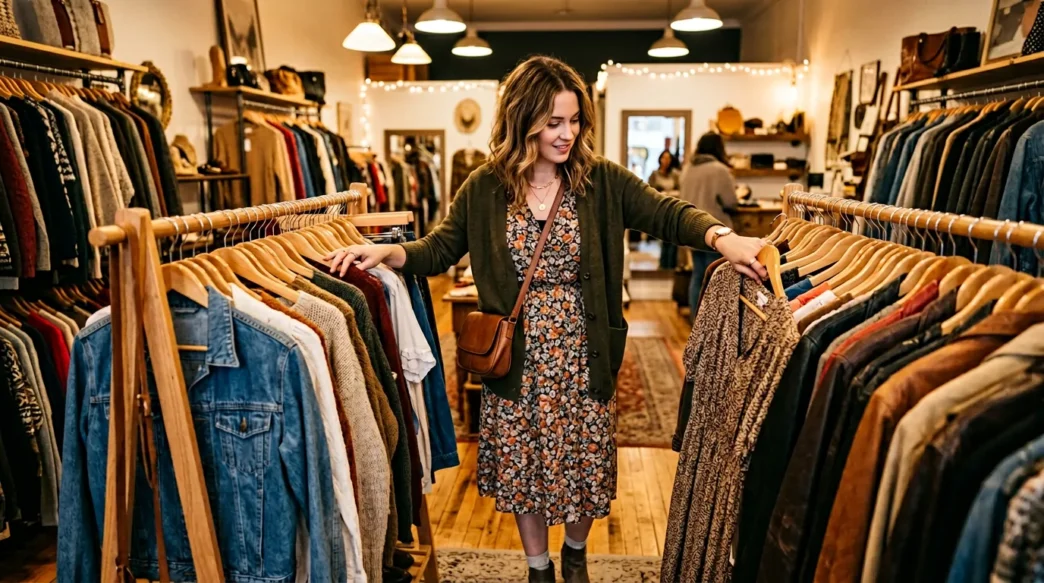
I’m about to say something that’s going to ruffle feathers: Lolita fashion deserves the same respect we give to haute couture. And before you roll your eyes and start typing about “grown women playing dress-up,” I need you to hear me out. Because after three years of studying this style and watching how people react to it, I’m convinced we’re getting it completely wrong.
My Controversial Position on Lolita Fashion
Here’s my hot take: Lolita fashion is one of the most sophisticated, rule-based fashion subcultures in existence. It’s not cosplay. It’s not infantilization. It’s a carefully constructed aesthetic movement that demands more technical knowledge than most “respectable” fashion styles.
I know that sounds dramatic, but stay with me. When I first encountered Lolita fashion five years ago, I had the same knee-jerk reaction most people do. The frills, the bows, the doll-like silhouettes — it all seemed like elaborate playing pretend.
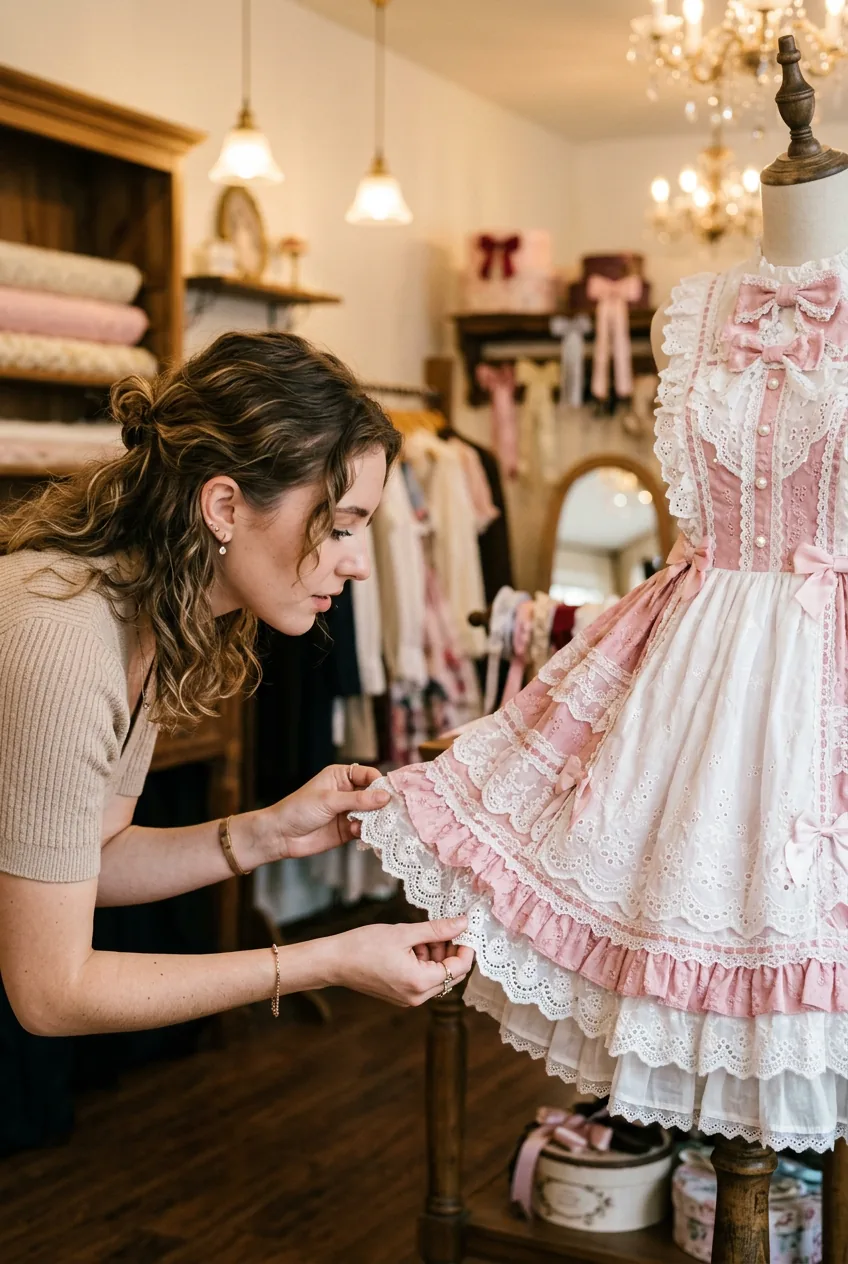
But then I started paying attention to the construction details. The way a proper JSK requires precise measurements. How the petti must have the exact fullness to achieve the bell silhouette without looking costume-y. The color coordination rules that make or break a coord.
This isn’t throwing on a puffy dress and calling it a day. This is fashion with grammar.
Before You Disagree, Hear Me Out
I get why people resist this idea. The name itself is unfortunate — loaded with associations that have nothing to do with the fashion. And yes, there are people who approach it from a purely aesthetic angle without understanding the cultural context.
But dismissing an entire fashion movement because some practitioners don’t “get it” would be like writing off streetwear because some people wear Supreme without understanding hip-hop culture. The misuse doesn’t invalidate the original.
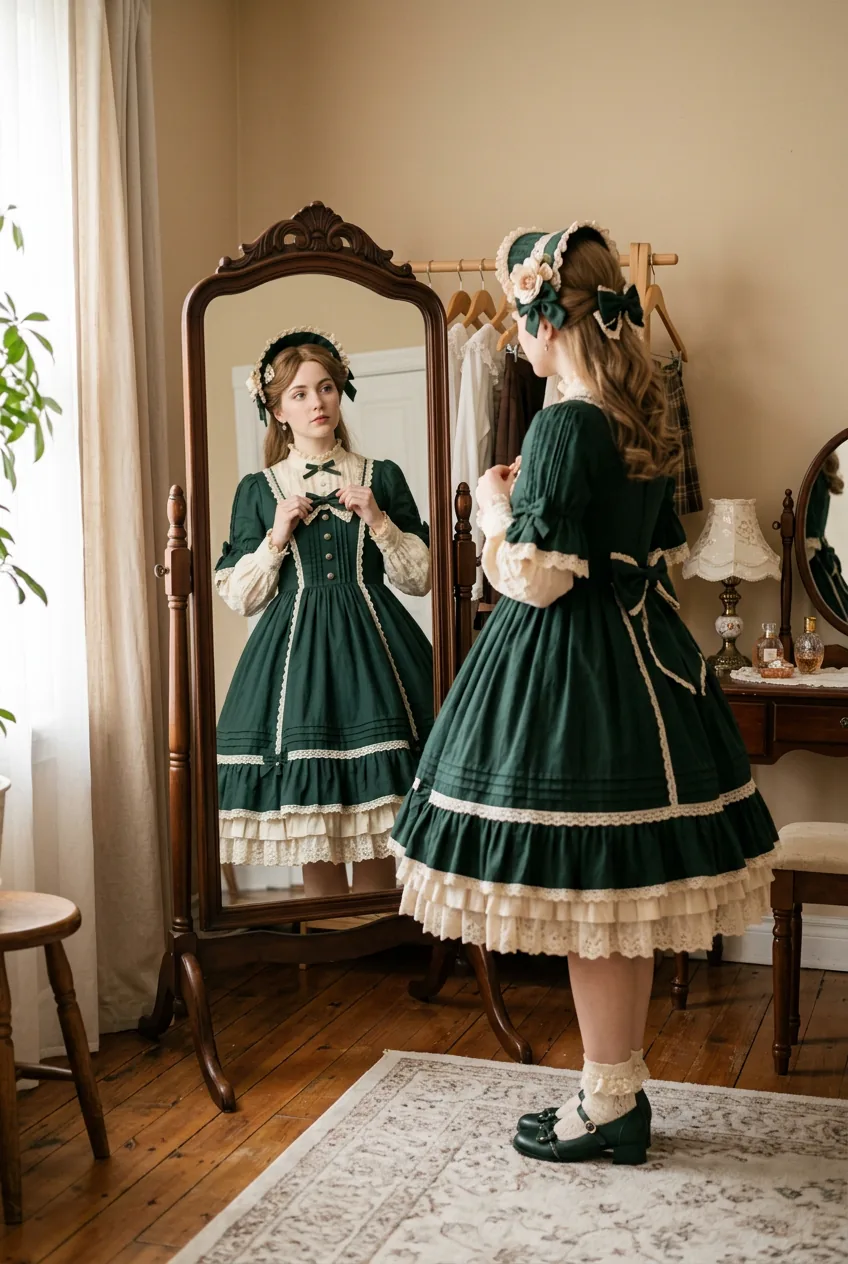
The resistance also comes from discomfort with femininity that’s unapologetic about being decorative. We’ve been trained to see elegant tea party outfits and ultra-feminine styling as somehow less serious than minimalist fashion. But why should restraint automatically equal sophistication?
When I see someone in a perfectly executed Sweet Lolita coord — hair styled in precise ringlets, makeup that enhances without overpowering, accessories that complement rather than compete — I see the same attention to detail that goes into retro glamour outfits. It’s just a different aesthetic vocabulary.
The Evidence I’m Working From
Let me lay out what changed my mind. First, the historical precedent. Lolita fashion draws from Victorian and Rococo periods — eras when elaborate dress was the height of sophistication. We don’t look at a Worth gown from 1890 and call it “playing dress-up.” So why do we apply different standards to modern interpretations?
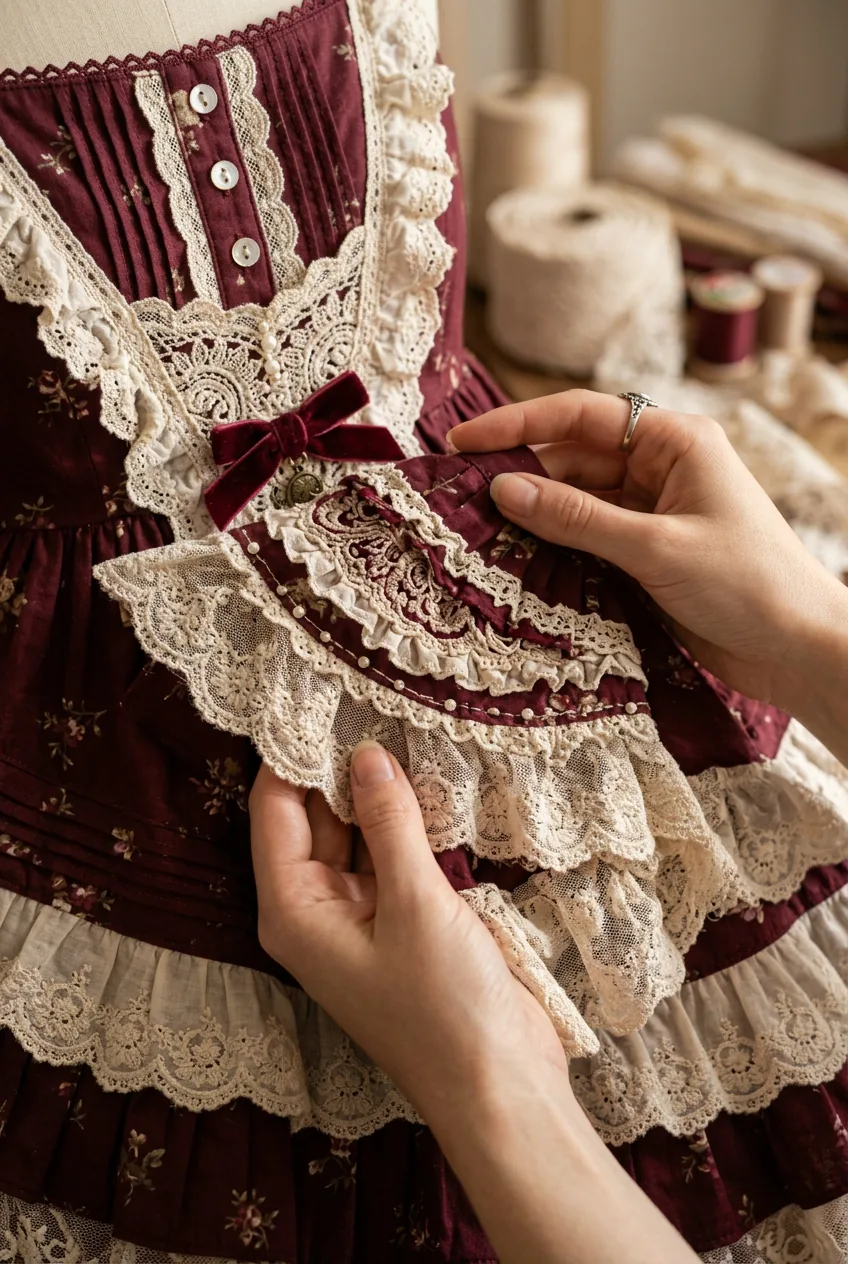
Second, the technical skill required. I spent six months learning to properly style a Lolita coord, and it’s more complex than anything I learned in conventional fashion. Japanese street fashion has always pushed boundaries in ways Western fashion doesn’t dare.
The construction quality alone should command respect. Brand pieces from Angelic Pretty or Baby, the Stars Shine Bright cost hundreds of dollars not because of marketing, but because of meticulous craftsmanship. Hand-sewn details, custom prints, fabrics chosen specifically for their drape and structure.
Third, the cultural significance. This style emerged from Japanese youth culture as a form of rebellion against conventional beauty standards. It’s not about looking younger — it’s about claiming space for fantasy and whimsy in adult life. That’s actually pretty radical when you think about it.
And the community aspect? The way experienced Lolitas mentor newcomers, sharing knowledge about brands, construction, and styling? That’s identical to what happens in 2000s Japanese fashion communities or any serious fashion subculture.
This Documentary Changed Everything
What I’m Actually Doing Instead
Here’s where I put my money where my mouth is. I don’t wear Lolita fashion regularly — it doesn’t suit my lifestyle. But I’ve incorporated elements that work for me. The attention to proportion that Classic Lolita demands has improved how I style everything else.
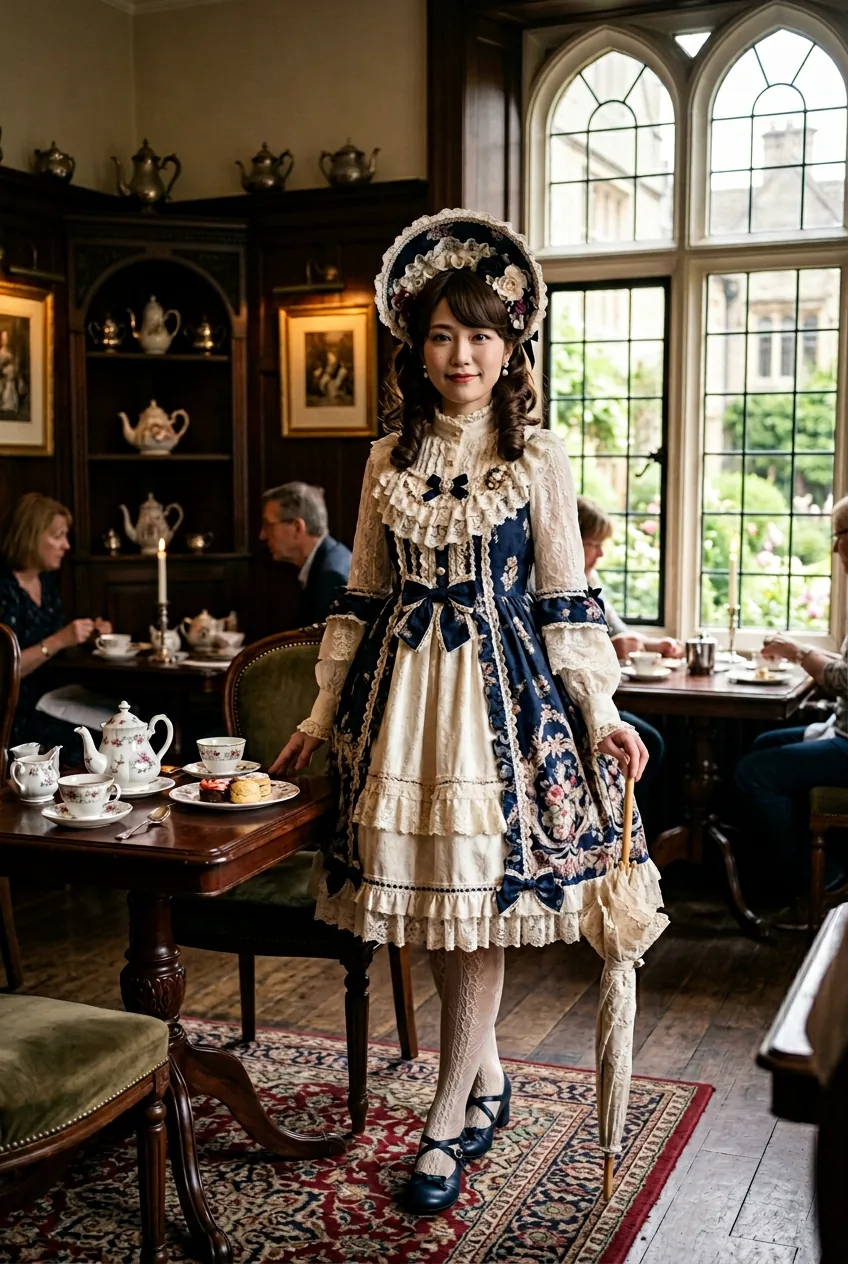
I’ve started approaching my vintage tea party outfits with the same precision Lolitas bring to their coords. Considering how the petti affects the drape. Making sure my accessories tell a cohesive story rather than just looking “cute.”
The color theory I learned from studying Angelic Pretty prints has made me better at mixing patterns in conventional outfits. The way Gothic Lolita balances dark romanticism with structural elements has influenced how I style my more dramatic pieces.
I’m also defending it in conversations. When someone makes the inevitable “grown women playing dress-up” comment, I push back. Fashion subcultures have always been laboratories for innovation that eventually influences mainstream design.
Most importantly, I’m trying to see past my own aesthetic preferences to appreciate the skill involved. Just because I personally prefer the clean lines of western cowgirl outfits doesn’t mean frills and bows are inherently less valid as fashion choices.
Change My Mind
I know some of you are still skeptical, and I get it. Maybe you think I’m overthinking what’s essentially elaborate cosplay. Maybe you believe there’s something inherently problematic about adults embracing such overt femininity.
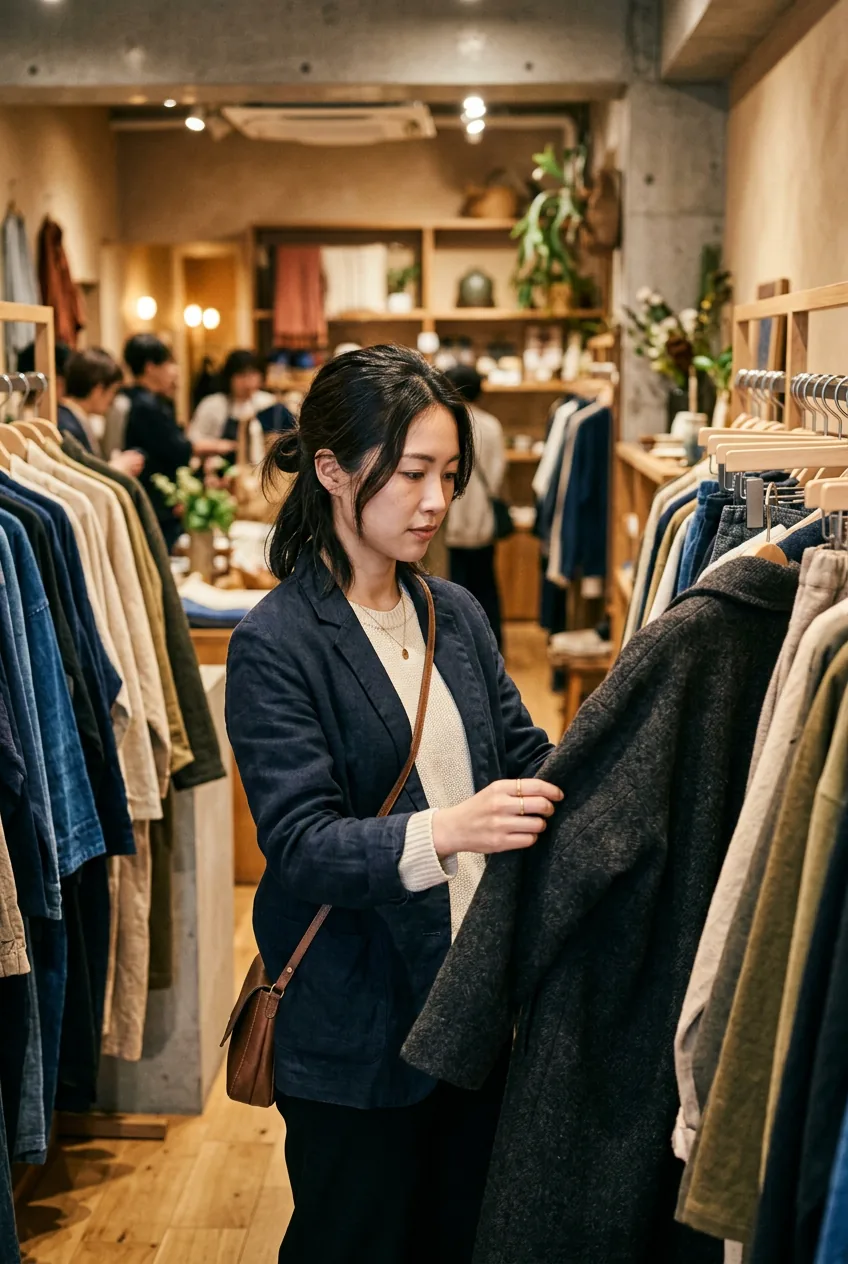
But here’s what I need you to consider: Why does our default reaction to unfamiliar fashion have to be dismissal? Why do we assume that clothing that references childhood or fantasy is automatically less sophisticated than clothing that references masculinity or minimalism?
If you still think I’m wrong, I’m genuinely curious about your reasoning. Is it the aesthetic itself that bothers you, or the cultural associations? Are you applying the same critical standards you’d use for any other fashion subculture, or are there double standards at play?
Alternative fashion movements have always faced initial resistance before gaining broader acceptance. Maybe Lolita fashion is just ahead of its time.
I’m standing firm on this: Lolita fashion deserves to be evaluated on its own merits, with the same respect we give to other technically demanding, culturally significant fashion movements. The craftsmanship is there. The community knowledge is there. The historical precedent is there.
Whether we’re personally drawn to the aesthetic or not shouldn’t determine whether we take it seriously as fashion. And honestly? The world could use a little more whimsy and technical precision in equal measure.