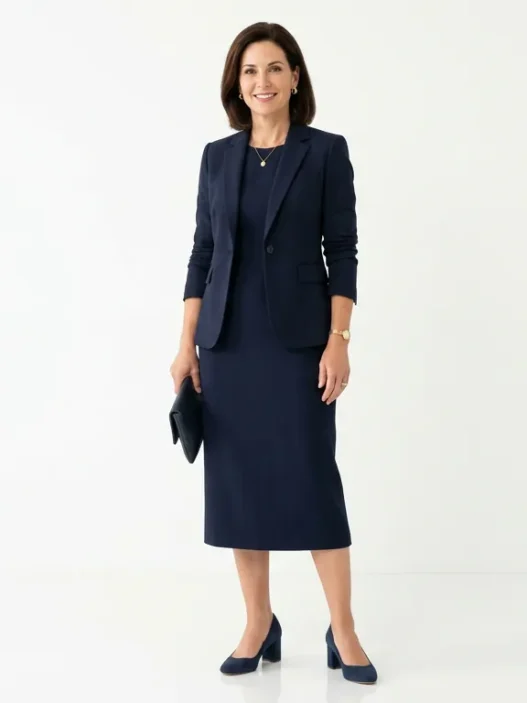










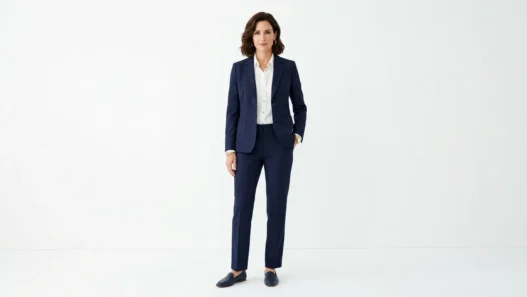
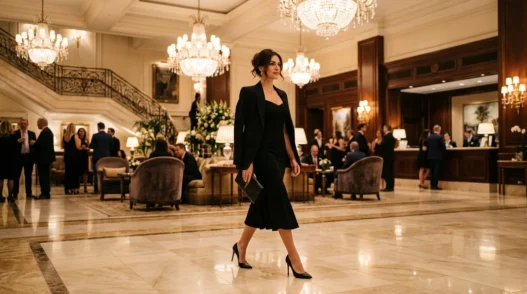
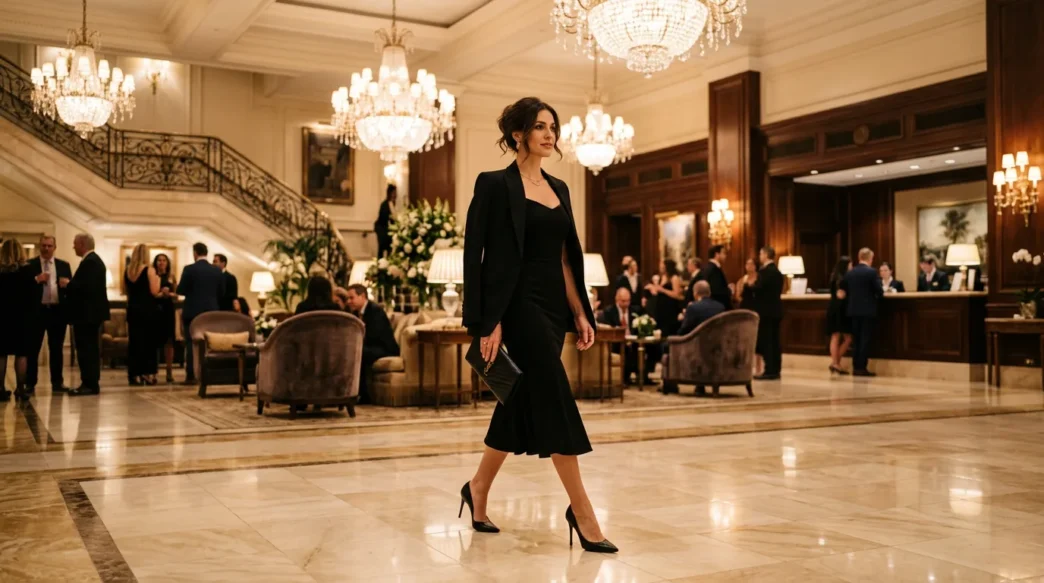
Last month I walked into the biggest board meeting of my career wearing a burgundy velvet blazer. Not navy. Not black. Not “appropriate.” And you know what happened? I closed the deal. Not because of the blazer, obviously — but because I felt like myself in it. That’s when I realized I needed to write down my formal attire manifesto, the rules that have actually served me in real life.
I Believe In Power Through Comfort
Here’s my first manifesto rule: if I can’t sit, walk, or gesture naturally in an outfit, it’s not formal attire — it’s a costume. I learned this the hard way during a three-hour client dinner where my too-tight pencil skirt made every trip to the bathroom an Olympic event.
Now I test everything. Can I reach for the top shelf? Can I take stairs without mincing steps? Can I cross my legs without fabric pulling? If the answer is no to any of these, the outfit goes back in the closet.

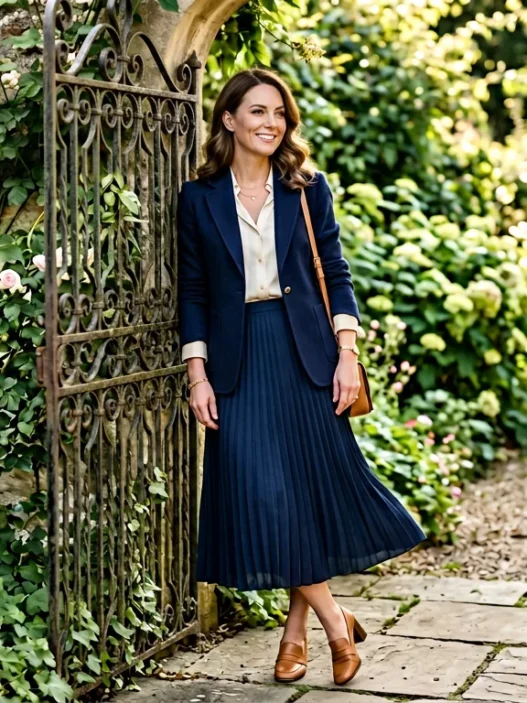
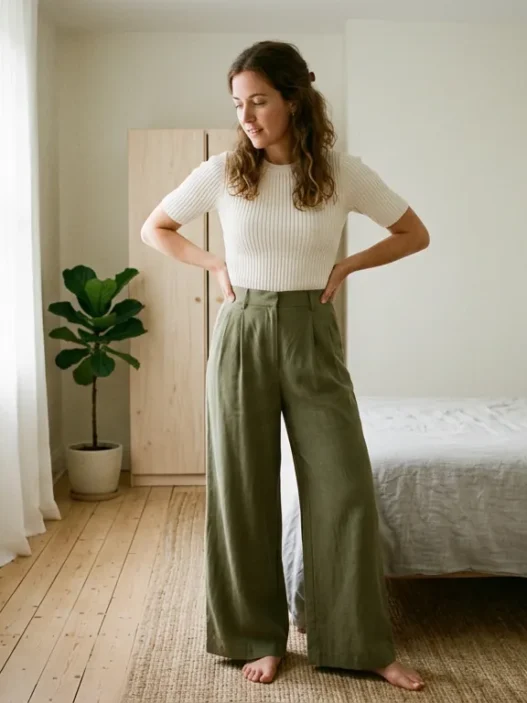
This doesn’t mean sacrificing polish. It means choosing office outfits women that understand real bodies do real things. Wide-leg trousers instead of skinny ones. Blazers with actual shoulder room. Dresses with stretch where it matters.
I Don’t Care About Traditional Dress Codes
“Business formal” as a concept was invented by men in the 1950s. Why am I still following their playbook in 2026?
I’ve thrown out most of the traditional “rules” about formal dressing. No white after Labor Day? I wear cream year-round. Only neutral colors for important meetings? My emerald green suit says otherwise. Matching everything perfectly? Boring.

What I focus on instead is intention. Every piece should look deliberate, well-fitted, and appropriate for the specific situation. But appropriate doesn’t mean invisible. I want to be memorable for the right reasons — my ideas, yes, but also for showing up as my full self.
The trick is reading the room while still being yourself. Conservative law firm? I’ll wear the burgundy blazer with classic black trousers. Creative agency? That’s when the printed silk blouse comes out to play.
The Hill I’ll Die On: Personality Over Perfection
This is my most controversial opinion: I’d rather be slightly “imperfect” and completely authentic than flawlessly boring. Perfect formal attire that erases your personality is just expensive camouflage.
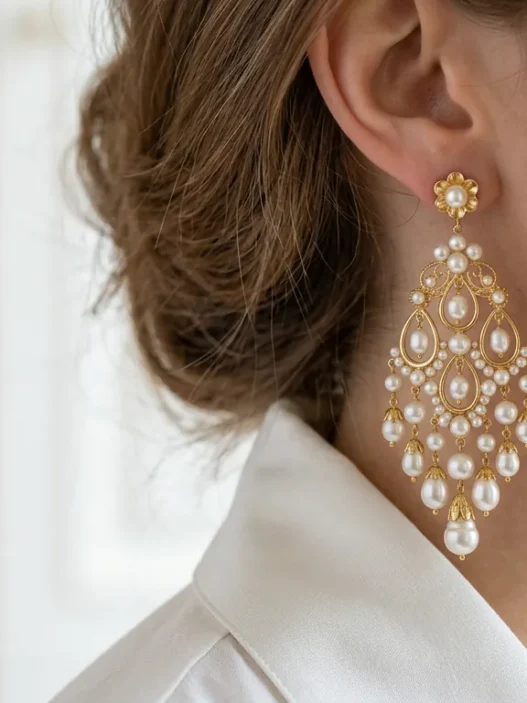
My personality shows up in unexpected ways. A vintage brooch on a modern blazer. Slightly unconventional color combinations. Textures that aren’t the usual wool and cotton — hello, silk velvet and ponte knits.

I’ve watched too many women disappear into “appropriate” outfits. You know what’s actually inappropriate? Showing up to important moments as a watered-down version of yourself. Adding personality to work wardrobes shouldn’t mean losing your edge.
But here’s the balance: personality should enhance, not overshadow. If people remember only your outfit and not what you said, you’ve gone too far. The goal is to feel so authentically yourself that your confidence becomes the real statement piece.
This Stylist Gets the Balance Right
What I’ve Earned the Right to Ignore About Color Rules
After fifteen years of getting dressed for work, I’m done with color “rules” that don’t serve me. Navy and black together? Gorgeous. Brown and black? Chic as hell. Bright colors at serious events? Absolutely, when done right.
I’ve learned that color confidence comes from understanding your own palette, not following universal edicts. I look powerful in deep jewel tones — emerald, sapphire, burgundy. Pastels wash me out. Bright red makes me feel invincible.
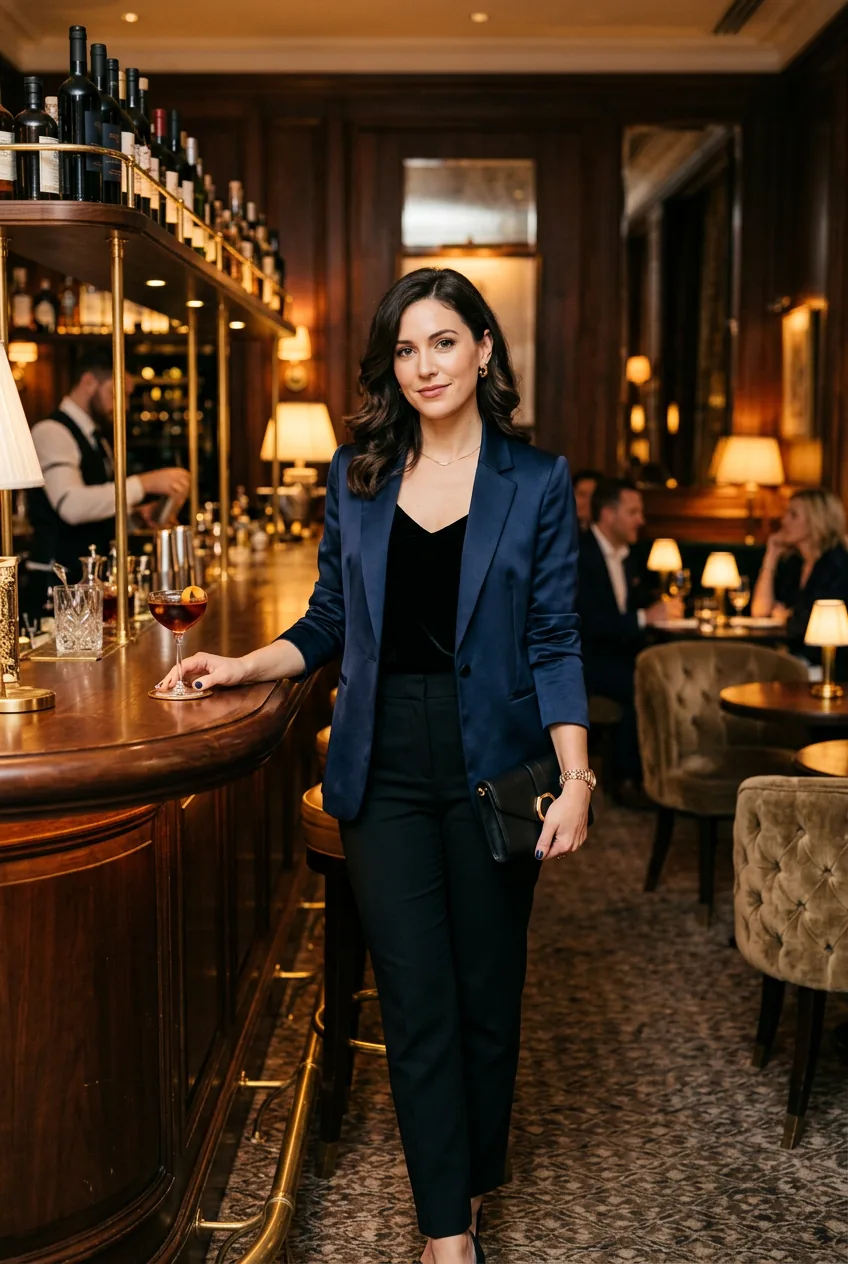
The secret is in the proportions and context. A pop of unexpected color — say, fuchsia shoes with a charcoal suit — reads as sophisticated confidence. But fuchsia everything? That’s costume territory.
And honestly? Sometimes I break my own rules just because I feel like it. That’s what manifestos are for — creating your own framework, then having the confidence to bend it when your instincts tell you to.
I Refuse to Compromise on Movement
Life is not a photo shoot. I need clothes that work for actual human activities — walking fast to catch trains, gesturing enthusiastically during presentations, sitting through long dinners, dancing at networking events.
This is where fit becomes everything. I’d rather have three perfectly tailored pieces than ten that kind of work. A blazer that pulls across the back when I reach forward is worse than no blazer at all.

I’ve become obsessed with hidden details that enhance movement. Stretch panels in blazer linings. Strategic pleats in skirts. Dresses jumpsuits women love that have concealed zippers for easy bathroom breaks — yes, this matters more than we talk about.
The best formal attire anticipates what you need before you need it. Pockets deep enough for a phone. Fabrics that don’t wrinkle during a long day. Shoes that look polished but feel like sneakers.
My Non-Negotiable Investment Pieces
After years of trial and expensive error, I know exactly what’s worth spending on. These are my non-negotiables, the pieces that earn their keep in my closet over and over.
First: one perfect blazer in an unexpected color. Not black, not navy — something that makes you feel like the main character. Mine is deep forest green, and it transforms every outfit it touches.
Second: trousers that fit like they were made for you. High-waisted, wide-leg, in a fabric with just enough stretch. These should be so comfortable you forget you’re wearing formal attire at all.
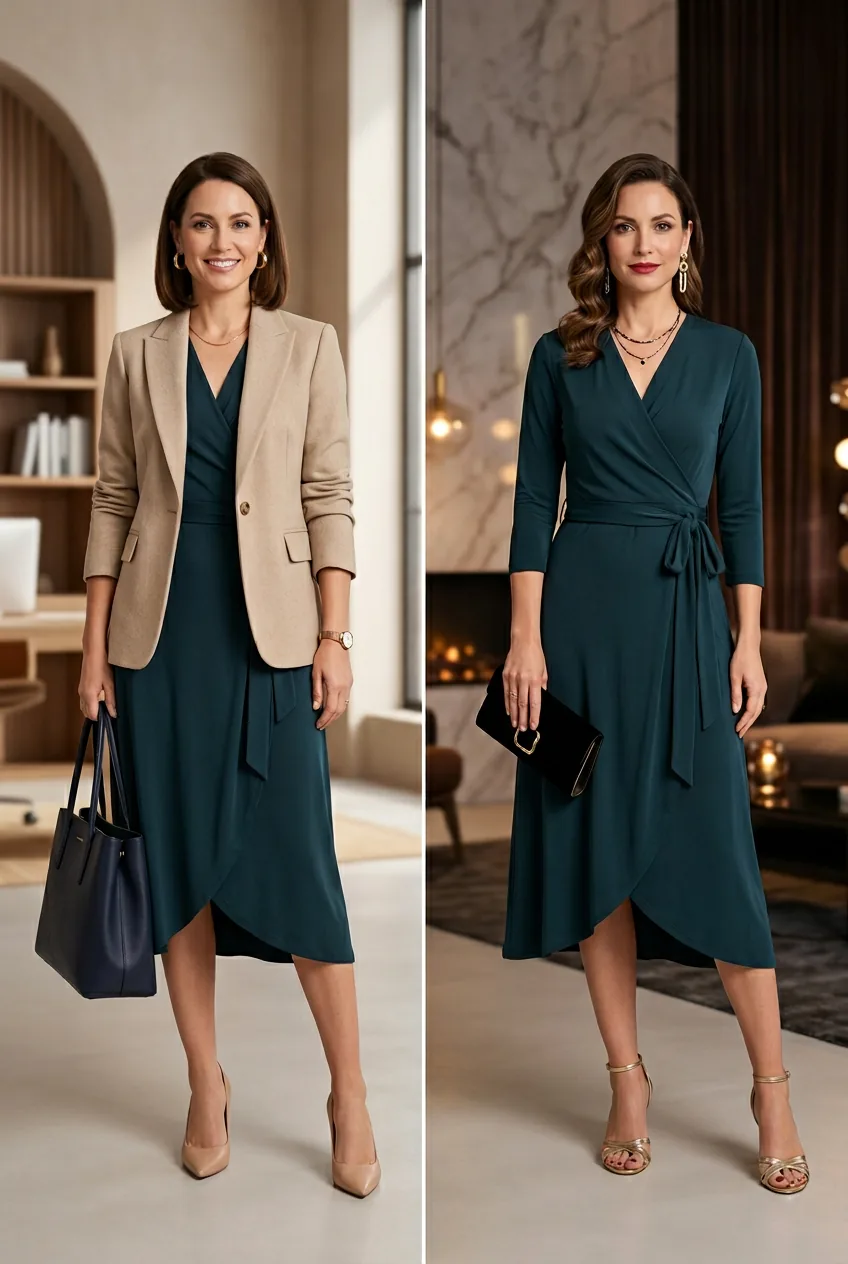
Third: one show-stopping dress that works for multiple occasions. Mine is a wrap-style midi in silk jersey — dressed down with a cardigan for client meetings, dressed up with heels for evening events.
And shoes. God, invest in shoes that don’t hate your feet. I spent years thinking discomfort was the price of looking polished. Now I know better — and my feet thank me daily.
Questions I Get About My Approach
Won’t bright colors make people take me less seriously?
In my experience, the opposite is true. Thoughtful color choices signal confidence and attention to detail. The key is balance — pair that bright blazer with neutral bottoms, or wear that bold dress with classic accessories.
How do I know if I’m overdressed for an event?
I’d rather be slightly overdressed than underdressed. When in doubt, I go for elevated basics — well-fitted pieces in quality fabrics that can be dressed up or down with accessories.
What about industry-specific dress codes?
Every industry has its quirks, but authenticity transcends dress codes. I adapt my manifesto to the context while keeping the core principles intact. Even the most conservative fields have room for personal expression in the details.
Isn’t this approach expensive?
Investing in fewer, better pieces actually saves money long-term. Instead of buying ten mediocre blazers, I bought two exceptional ones that I wear constantly. Quality over quantity always wins.
Your formal attire manifesto will look different from mine — and it should. The point isn’t to copy my rules but to figure out what works for your life, your body, your confidence. Start with comfort, add personality, ignore the rules that don’t serve you. Most importantly, remember that the most formal thing about any outfit is the confidence of the person wearing it.