






I’ll never forget the first time I tried to recreate Grace Kelly’s look from Rear Window. Full circle skirt, fitted bodice, pearls — the works. But when I looked in the mirror, something was completely off. The proportions were wrong, the silhouette felt flat, and I looked more like I was heading to a costume party than channeling timeless elegance.
That’s when I realized Old Hollywood fashion isn’t just about copying the obvious elements. There’s a whole world of technique and intention behind those iconic looks that most people never talk about.
The History Behind the Glamour
Old Hollywood fashion didn’t emerge in a vacuum. It was the result of studio costume departments with unlimited budgets, designers who understood lighting and camera angles, and stars who had teams of professionals dressing them every single day.
What fascinates me most is how much the technology of the era shaped the aesthetic. Black and white photography meant that texture and contrast mattered more than color. Studio lighting was harsh and unforgiving, so every detail had to be perfect. The cameras captured every wrinkle, every loose thread, every imperfect seam.
This created a culture of precision that we don’t see today. When Edith Head designed costumes for Grace Kelly, she wasn’t just thinking about what looked pretty. She was calculating how the fabric would move under those hot studio lights, how the silhouette would photograph from multiple angles, and how the outfit would hold up through take after take.
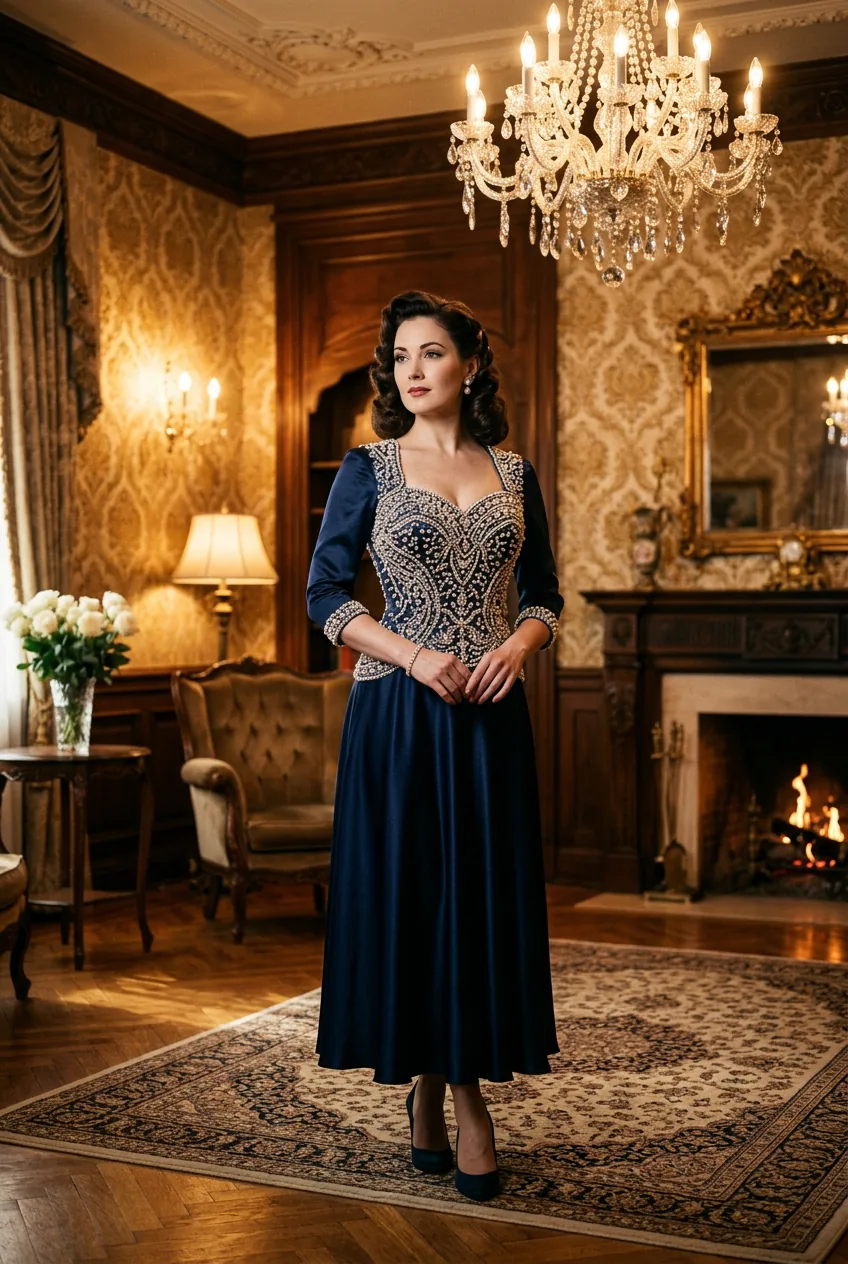
The economic context matters too. The 1930s through 1950s were decades when women had fewer clothing options but invested in quality pieces that lasted for years. A single dress might be worn to dozens of events, so it had to be versatile and impeccably constructed. This mentality influenced even the movie star wardrobes — every piece had to work overtime.
I’ve spent hours studying costume archives, and you can see the evidence of this approach in every seam. The internal construction of a 1940s evening gown is a marvel of engineering. Multiple layers, strategic boning, hand-sewn details that would never show on camera but created the perfect foundation for the visible elements.
What Modern Fashion Gets Wrong About Old Hollywood
Here’s where I get a little controversial: most “Old Hollywood inspired” pieces you see today are missing the point entirely. They focus on surface-level details — the sweetheart neckline, the full skirt, the red lipstick — but ignore the foundational elements that actually created that polished look.
Take fit, for instance. Modern fast fashion has trained us to accept “close enough” sizing. But Old Hollywood glamour was built on precise tailoring. Rita Hayworth’s famous gowns weren’t just beautiful fabrics draped on her body — they were architectural marvels that created the illusion of perfect proportions through strategic seaming and shaping.
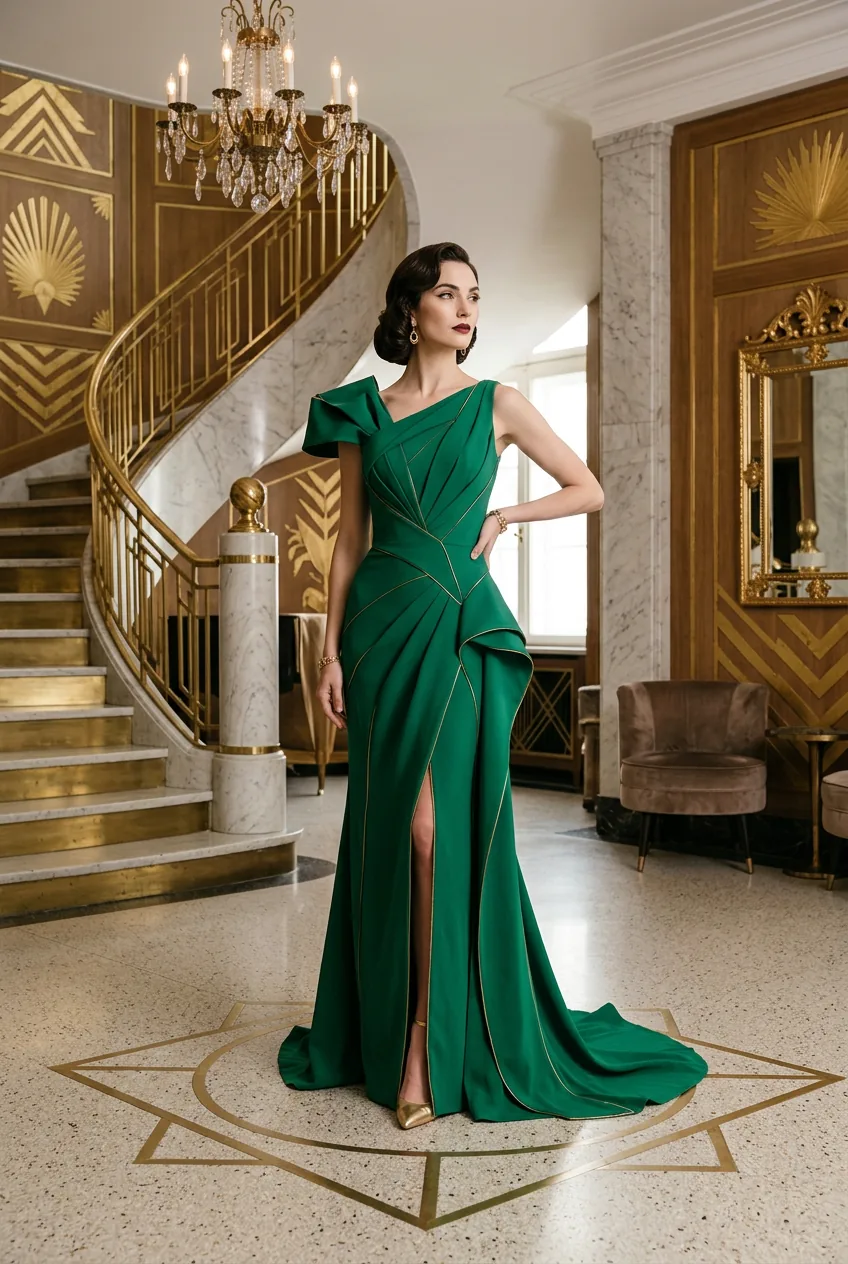
I learned this lesson the hard way when I bought what was supposed to be a “vintage-inspired” dress from a popular retailer. The style looked right in photos, but when I put it on, it hung all wrong. The bust didn’t fit properly, the waist hit at an unflattering spot, and the skirt didn’t have enough structure to create that classic silhouette.
Another thing modern interpretations get wrong is the color story. We see those glamorous black and white photos and assume Old Hollywood was all about dramatic monochrome looks. But color films from the era reveal a much more sophisticated approach to color coordination. Stars weren’t just throwing on any red dress — they were choosing specific shades that complemented their skin tone, hair color, and the overall mood of the scene.
The accessories are another area where modern versions fall short. We tend to pile on “vintage-looking” jewelry without understanding the restraint that defined true Old Hollywood elegance. Proper vintage jewelry styling requires understanding balance and focal points, not just adding anything that looks antique.
The Foundation Garments Nobody Mentions
This is the part that changed everything for me. The secret to Old Hollywood silhouettes wasn’t just the dress — it was what went underneath. And I mean everything from the skin up.
Let me paint you a picture of what Marilyn Monroe actually wore under that famous white dress from The Seven Year Itch. Start with a full-coverage bra that lifted and shaped (not the modern push-up style, but something that created a natural, rounded silhouette). Add a waist cincher or corset to define the waistline. Then came a full slip with built-in petticoats to give the skirt its perfect amount of volume.
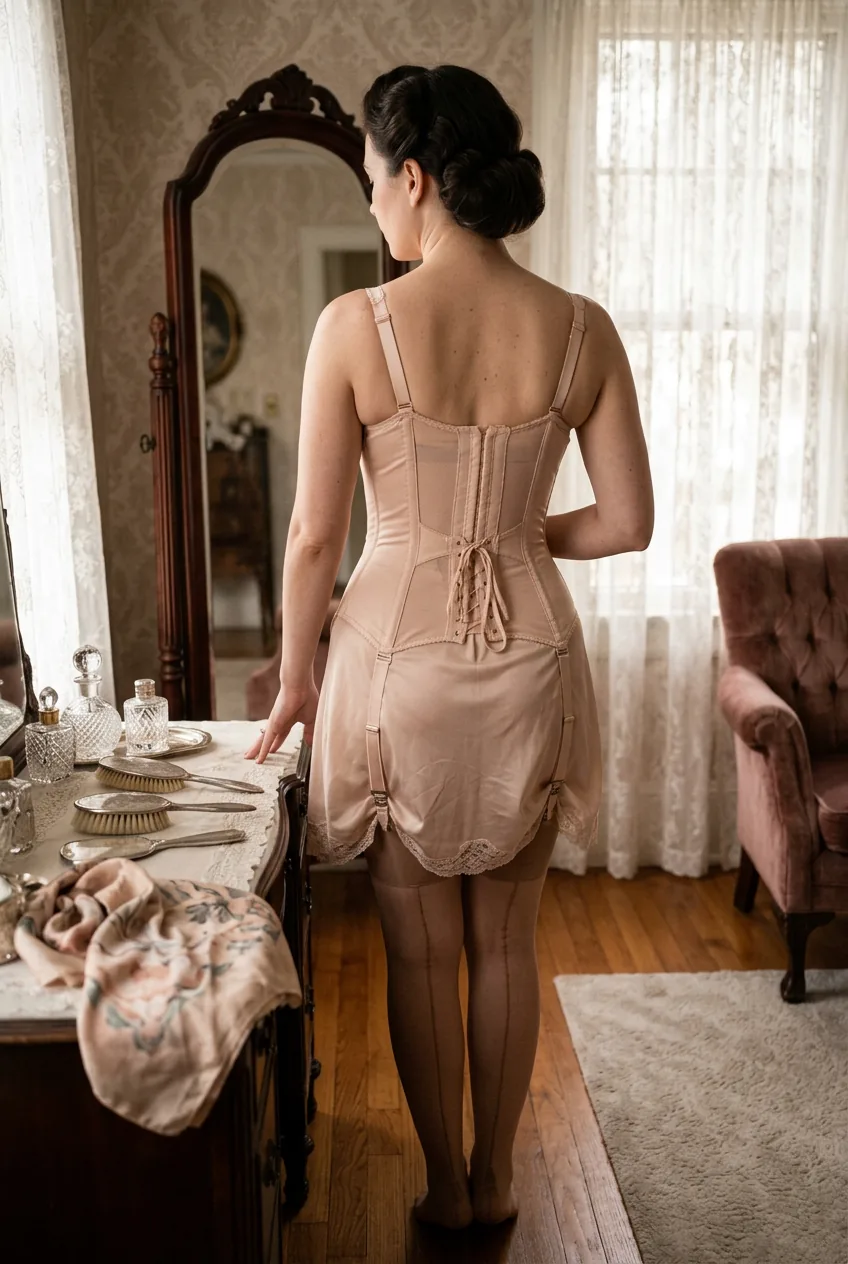
I know what you’re thinking — that sounds incredibly uncomfortable. But here’s the thing: these garments were designed by people who understood the female body. A properly fitted corset doesn’t restrict movement; it supports and shapes. The petticoats weren’t scratchy polyester; they were silk or cotton that moved with the body.
When I finally invested in proper foundation garments (and yes, you can find modern versions that capture the same effect), the difference was dramatic. Suddenly, even my regular clothes looked more polished. The waistline of my dresses hit in the right spot, the bust area looked smooth and lifted, and the overall silhouette had that enviable hourglass shape that defines Old Hollywood glamour.
Don’t even get me started on stockings. Real stockings, not pantyhose. The way they elongated the leg and created that perfect, smooth finish under dresses was part of the magic. I wear them now with my vintage-inspired tea party outfits and the difference is night and day.
The other foundation element that’s crucial? Proper undergarments for the specific dress style. A strapless gown requires a completely different foundation than a fitted day dress. The costume departments of major studios had rooms full of specialized undergarments for different looks, and that attention to detail is what created those flawless silhouettes we still admire today.
Why Color Coordination Mattered More Than You Think
This might be my most unpopular opinion, but I think our obsession with black and white Old Hollywood photos has made us forget how sophisticated the actual color work was. When you look at Technicolor films from the 1940s and 1950s, the color coordination is breathtaking.
Take Gene Tierney in Heaven Can Wait. Her wardrobe wasn’t randomly colorful — every shade was chosen to complement her dark hair and fair skin. The blues brought out her eyes, the roses warmed her complexion, and even the neutrals were selected to enhance rather than wash her out.
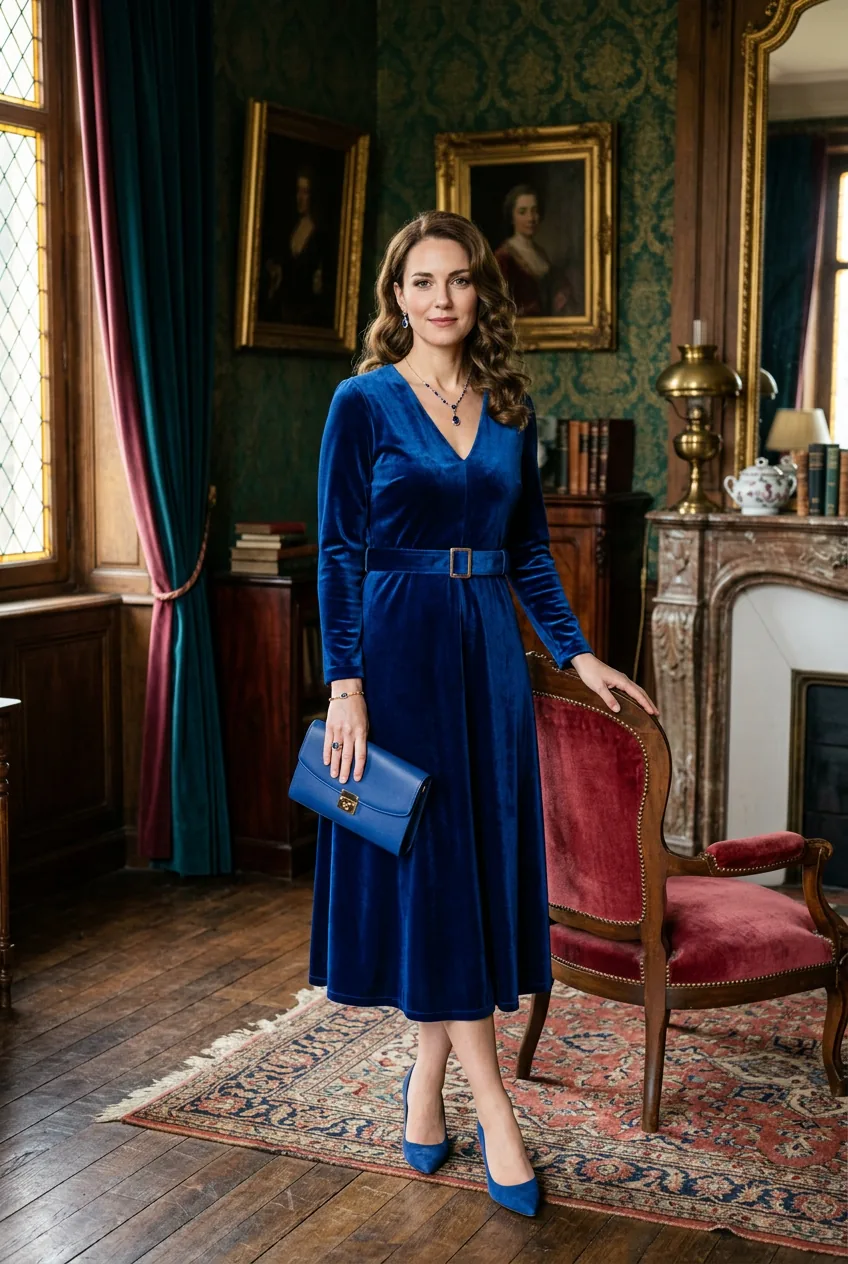
I spent months studying color coordination in classic films, and I noticed patterns that most people miss. Stars rarely wore pure black during daytime scenes — it was always charcoal, deep navy, or rich brown. Pure white was reserved for specific dramatic moments. Most of the “white” dresses you see are actually cream, ivory, or pale champagne.
The makeup-to-outfit coordination was another level of sophistication entirely. Red lipstick wasn’t just red — it was specifically chosen to either match, complement, or create deliberate contrast with the outfit. I’ve tried recreating some of these looks, and when you get the color relationships right, the entire ensemble just clicks into place.
What really impressed me was how they handled jewelry and accessories as part of the color story. Pearls weren’t chosen because they were classic — they were chosen because their warm undertones worked with the specific fabric and makeup combination. Gold versus silver wasn’t a random choice; it was calculated to enhance the overall color harmony.
This level of color consciousness is something I try to bring to my modern wardrobe. Instead of just grabbing whatever accessories “go with” an outfit, I think about the complete color story I’m creating. It’s made even my casual everyday looks feel more intentional and polished.
The Styling Tricks That Created Perfect Proportions
Here’s where Old Hollywood costume design gets really technical, and honestly, it’s where I’ve learned the most about how to style my own outfits. Every single element was positioned to create the most flattering proportions possible, regardless of the actress’s natural body type.
The waistline placement was never arbitrary. Designers calculated the exact spot where the waist seam should hit to make legs look longer and the torso perfectly balanced. Sometimes this meant the “natural” waist, but often it meant creating a new waistline that was more flattering than nature provided.
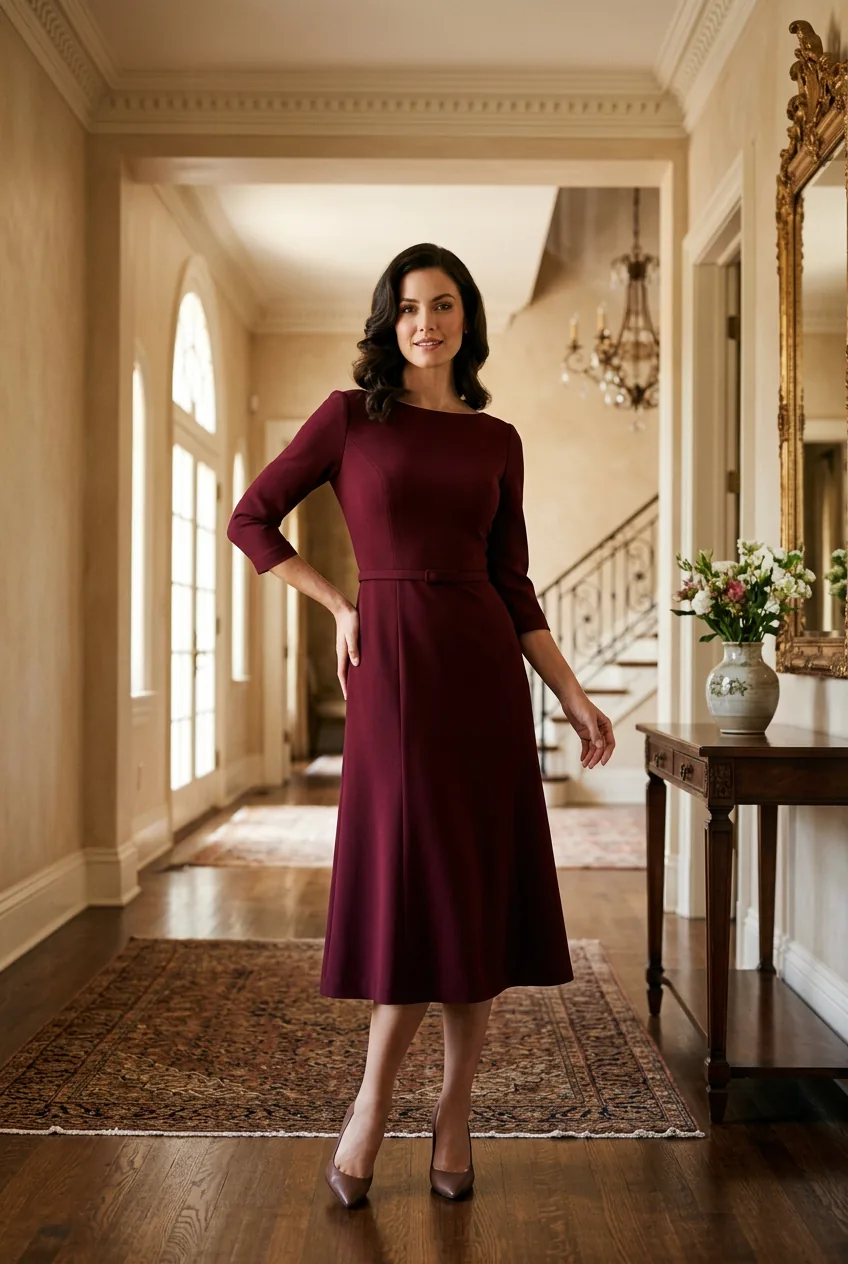
Necklines were chosen with similar precision. A scoop neck versus a V-neck wasn’t about personal preference — it was about what would photograph best and create the most flattering facial framing. I’ve started paying attention to this in my own styling, and it’s amazing how much difference the right neckline can make for your face shape and collarbone area.
Sleeve length and style were another area of calculated perfection. Those elegant three-quarter sleeves that showed up constantly in 1940s fashion weren’t just trendy — they hit at the narrowest part of the forearm, creating the illusion of delicate wrists and elegant hands. Full sleeves were gathered in specific ways to add volume without overwhelming petite frames.
The hemline game was incredibly sophisticated too. Designers knew exactly where each skirt length would hit on different heights and leg proportions. What looked perfect on one actress might need to be adjusted by inches for another to achieve the same visual effect.
But here’s the styling trick that really blew my mind: the strategic use of contrast and visual weight. A dark belt on a light dress wasn’t just about definition — it was about creating a focal point that guided the eye to create optimal proportions. Light accessories on dark clothing served the same purpose in reverse.
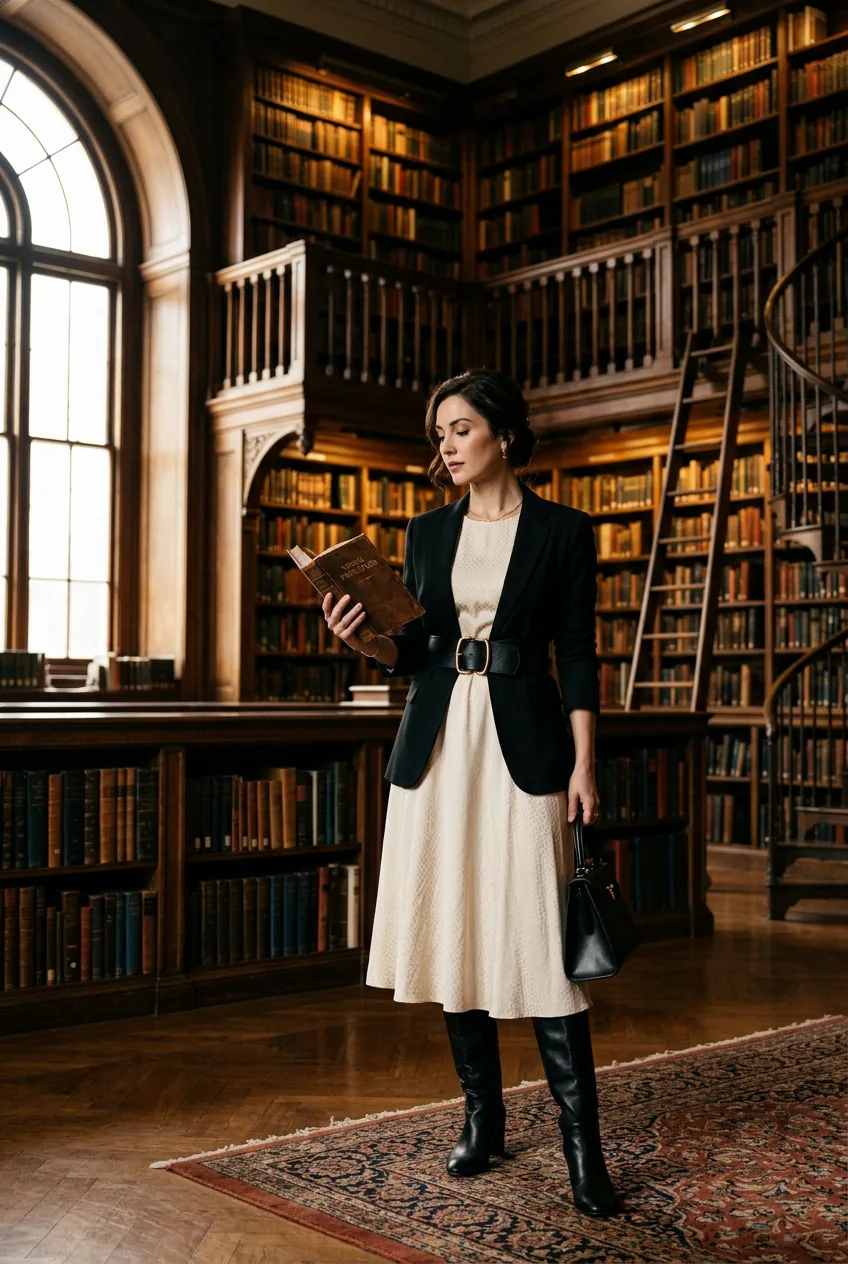
I’ve started applying these principles when I’m putting together outfits for special events, especially when I need something with the polish of audition-worthy looks. The difference is remarkable when you stop thinking about fashion as “what’s trendy” and start thinking about it as “what creates the most beautiful silhouette.”
The posture element can’t be ignored either. Those perfectly straight shoulders and elegant neck positions weren’t just good breeding — they were deliberately cultivated to complement the clothing. The garments were designed to look their best when worn with specific posture, and the stars were trained to maintain that posture consistently.
See the Techniques in Motion
Questions About Old Hollywood Style
Can you recreate Old Hollywood looks with modern clothing?
Yes, but you need to focus on the underlying principles rather than just copying surface details. Invest in proper-fitting undergarments, pay attention to proportion and color coordination, and prioritize quality construction over trendy details. The key is understanding that Old Hollywood glamour was built on technique, not just aesthetic choices.
What’s the most important element to get right?
Foundation garments, hands down. Without the proper understructure, even an authentic vintage dress will look off. A well-fitted bra, waist shaper, and appropriate undergarments create 80% of that classic silhouette before you even put on the outer clothing.
How do I know if a “vintage-inspired” piece is worth buying?
Look for precise tailoring details like princess seams, strategic darts, and substantial fabric weight. Check the construction quality — cheap versions skip the internal structure that made original pieces work. If it doesn’t have proper boning, interfacing, or built-in shaping where the original would have had it, pass.
Do I need to change my hair and makeup to pull off the look?
Not necessarily, but coordination matters. You don’t need finger waves, but your hair should complement the outfit’s proportions and neckline. Modern makeup can work if it follows the same principles of color harmony and facial balance that Old Hollywood makeup achieved.
The truth about Old Hollywood fashion is that it was never really about the clothes themselves. It was about understanding how to use clothing as a tool to create the most beautiful, polished version of yourself possible. Once you start thinking about your wardrobe that way, everything changes.