









I’ll be honest — I used to think 2000s Japanese fashion was all rainbow hair and platform boots. Then I started digging deeper, and wow, was I wrong. The real story behind Japan’s fashion revolution in the 2000s is so much more complex and influential than the cartoon version we got fed through Western media.
The History Nobody Talks About
Most fashion historians gloss over the economic crash that sparked Japan’s entire 2000s fashion renaissance. When the bubble economy burst in the ’90s, traditional career paths crumbled. Young people suddenly had time, creativity, and absolutely nothing to lose.
This wasn’t just rebellion — it was survival. With lifetime employment gone and social expectations shattered, fashion became a way to carve out identity in a society that felt uncertain about everything. The clothes weren’t costume play. They were armor.
I spent hours reading Japanese fashion magazines from that era, and the messaging was clear: be yourself, loudly and unapologetically. Brands like Undercover and CDG Play weren’t selling clothes — they were selling permission to reject conformity.
The timing mattered too. Internet culture was exploding, but social media didn’t exist yet. Street photography became the main way styles spread, creating this incredible visual documentation of real people wearing revolutionary looks. No filters, no staging — just pure creative expression captured in Shibuya and Harajuku.
What strikes me most is how intentional everything was. These weren’t random outfits thrown together. Each subculture had rules, aesthetics, and philosophies. The fashion movements were deeply thoughtful responses to cultural shifts happening in real time.
What Western Media Got Wrong
Here’s where I get frustrated. Western fashion media turned Japanese street style into a freak show. Every article focused on the most extreme examples — the Gothic Lolitas in full Victorian dress, the Decora kids covered in 200 hair clips, the Visual Kei musicians in platform boots taller than most people’s pets.
But that wasn’t the whole story. For every person in a full cosplay ensemble, there were dozens wearing subtle interpretations — a Bathing Ape hoodie with tailored pants, a deconstructed Comme des Garçons piece paired with vintage denim, platform sneakers that added just enough edge without screaming for attention.
The media missed the sophistication. They saw chaos where there was actually incredible discipline. Take Gyaru culture — yes, the tans were extreme and the hair was wild, but the makeup techniques were museum-level artistry. Those girls spent hours perfecting looks that required genuine skill.
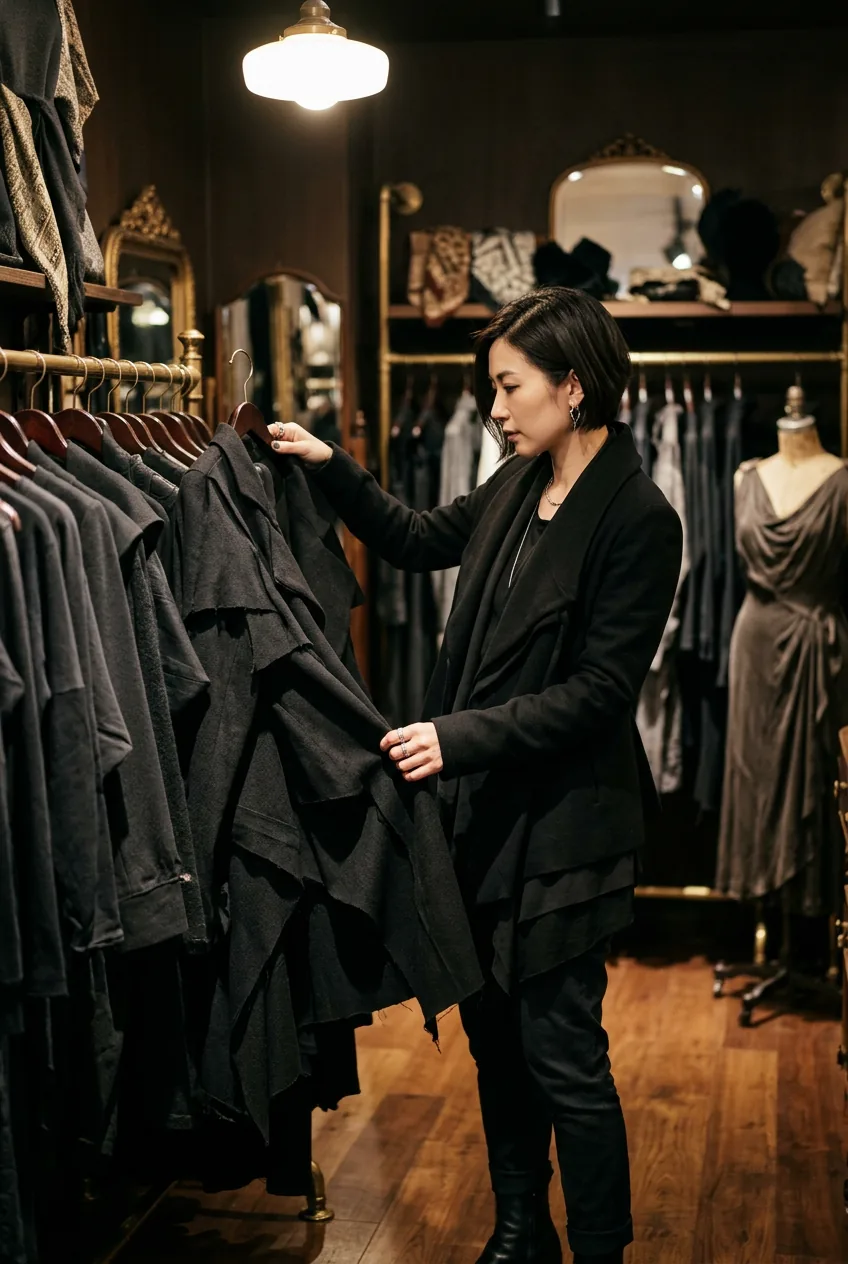
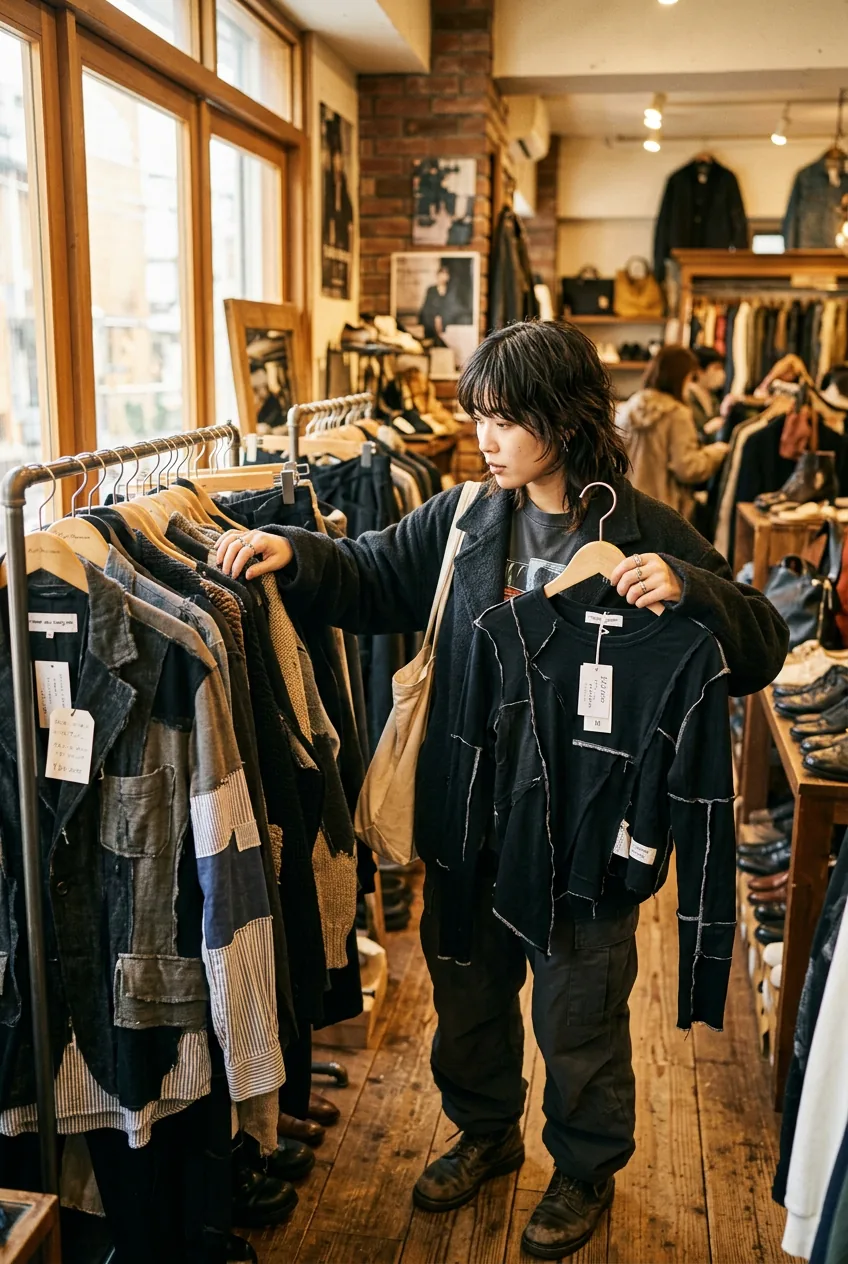
And the shopping culture? Revolutionary. Vintage stores in Tokyo were curating collections that influenced luxury fashion houses globally. Young designers were deconstructing traditional garments and rebuilding them with punk sensibilities. This wasn’t fashion theater — it was advanced design thinking happening on the street.
The biggest misconception was that it was all about attention-seeking. Most of these movements were actually about belonging — finding your tribe, expressing shared values, creating community through visual language. Pretty profound for what got dismissed as “crazy Japanese fashion.”
The Underground Movements That Mattered
Let me tell you about the movements that never made it to Western magazines but shaped everything we wear today. Ura-Harajuku — literally “back Harajuku” — was where the real innovation happened, away from tourist cameras and fashion photographers.
Mode-kei emerged from this underground scene. Think all-black everything, but with incredible attention to silhouette and texture. These weren’t goth kids — they were fashion students and young designers obsessed with proportion and craftsmanship. Every piece had to earn its place in the outfit.
Then there was Neo-shibu-kaji, a movement that reimagined business casual for the post-career generation. Sharp tailoring meets streetwear details. Blazers with hidden punk elements. Dress shirts in unconventional fabrics. It was professional rebellion — looking corporate enough to get hired while maintaining creative identity.
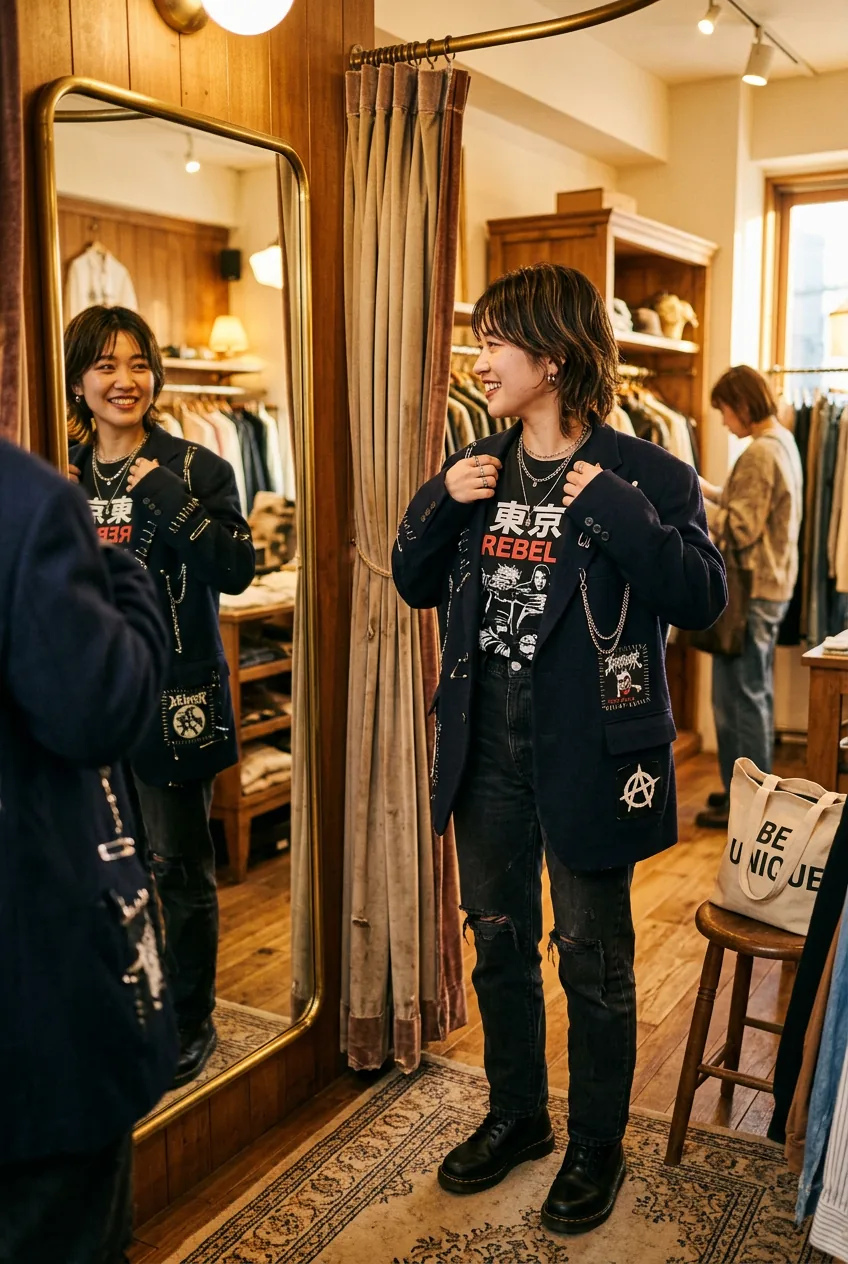
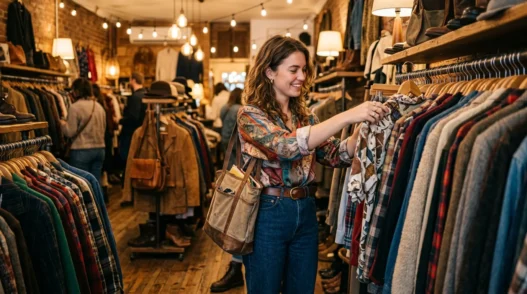
The vintage boom deserves its own chapter. Japanese youth were raiding American thrift stores through import shops, but styling everything completely differently. A 1960s shift dress became a layering piece under a mesh top. Military surplus got mixed with kawaii accessories. They were remixing Western fashion history with zero reverence for “proper” styling rules.
Dolly-kei was perhaps the most misunderstood. Western media saw “childish” fashion, but it was actually sophisticated nostalgia — mixing vintage European influences with Japanese craft traditions. The layering techniques were architectural. The color combinations required serious color theory knowledge.
These underground movements shared one crucial element: they all rejected fast fashion before sustainability became trendy. Everything was thrifted, customized, or handmade. They were solving problems we’re just now recognizing as problems.
How It Changed Global Fashion Forever
This is the part that gets me excited. The influence of 2000s Japanese fashion on global trends wasn’t just aesthetic — it was structural. Japanese designers taught the world that street style could be as sophisticated as runway fashion.
Look at how we shop now. The concept of “dropping” limited collections? That started with Japanese streetwear brands creating artificial scarcity. The idea of brand collaborations between high fashion and street brands? Jun Takahashi was doing Undercover x Nike before Supreme existed.
The layering techniques alone revolutionized how people get dressed. Before Japanese street style went global, layering meant a sweater over a shirt. Japanese fashion showed us that you could layer textures, silhouettes, and even subcultural references to create completely new aesthetics.
Gender-neutral fashion? Japan was there first. Brands like Keita Maruyama and Yohji Yamamoto were creating clothes that looked incredible on any body type, challenging Western fashion’s rigid gender categories. This wasn’t political statement — it was just better design.
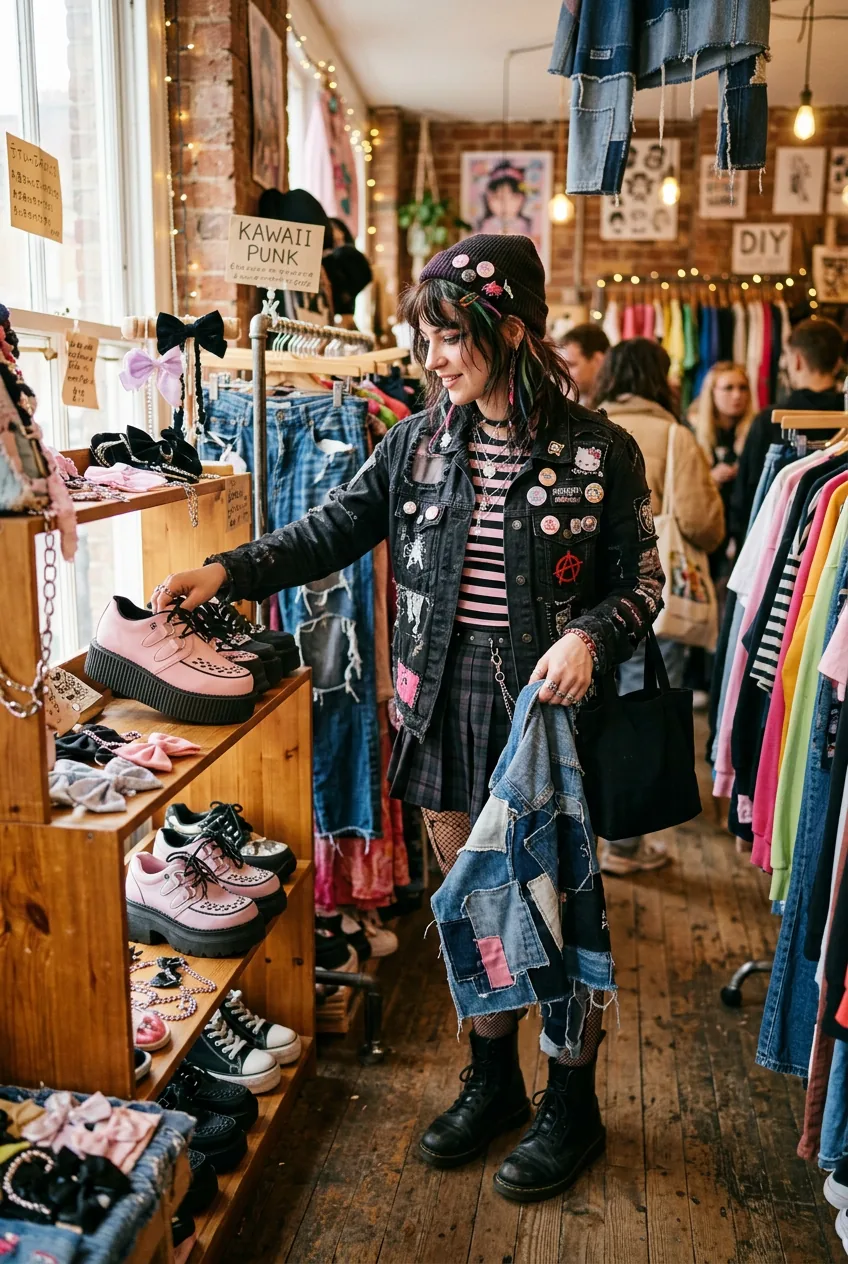
The customization culture spread globally too. DIY elements became luxury fashion details. Hand-painted patches, deconstructed hems, deliberately distressed fabrics — all techniques that originated in Tokyo’s underground fashion scene became standard in international designer collections.
Most importantly, Japanese fashion proved that regional style could influence global taste. Before 2000s Japanese fashion, most international trends flowed from Paris, Milan, or New York. Japan demonstrated that creativity could emerge anywhere and reshape everything.
Why We’re Still Copying It Today
Walk into any Urban Outfitters in 2026 and you’ll see it — platform sneakers, deconstructed denim, oversized blazers with anime-inspired graphics. We’re literally still mining 2000s Japanese fashion for ideas, and honestly? We probably will be for decades.
The reason is simple: those designers were solving problems we still have. How do you express individuality in a world that pushes conformity? How do you find community through fashion? How do you make clothes that feel authentic rather than manufactured?
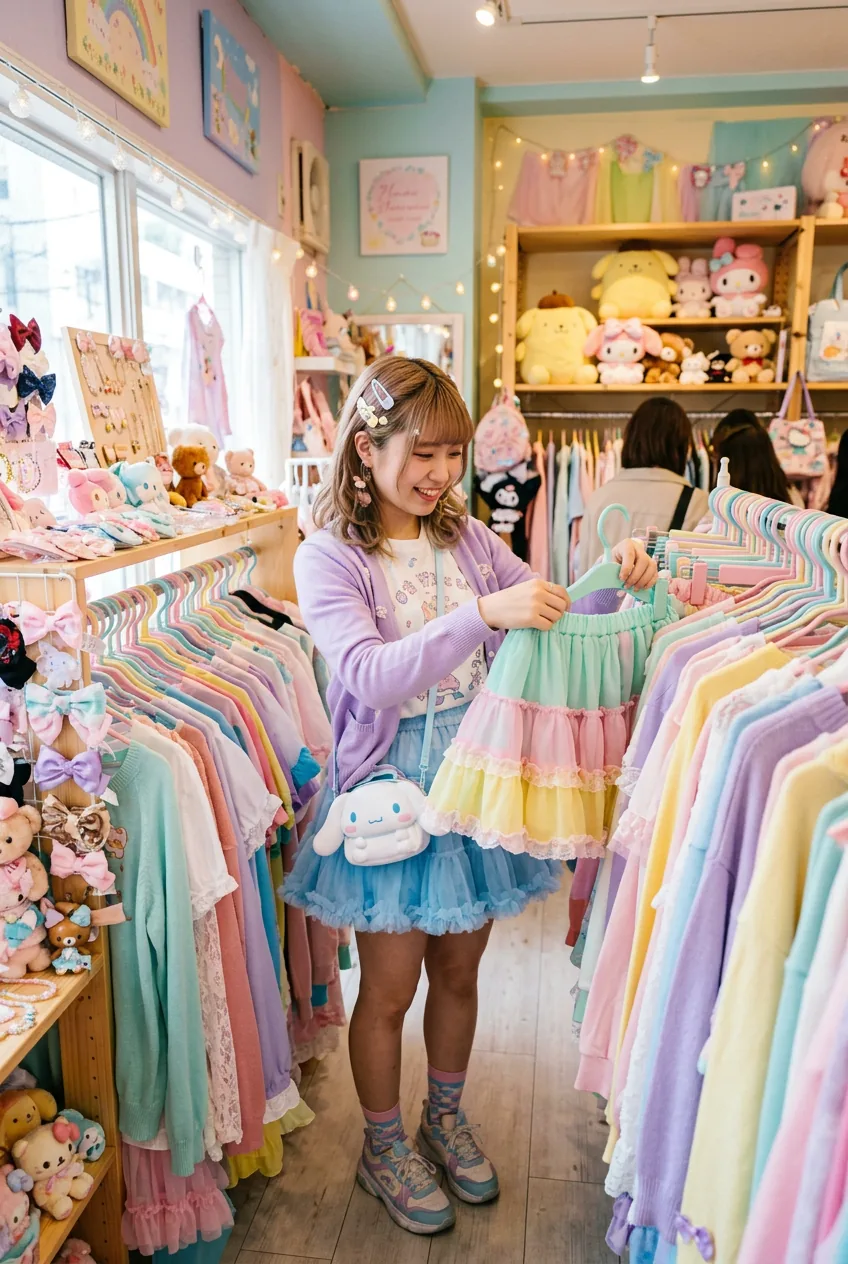
Current summer fashion trends are heavily influenced by Fairy Kei aesthetics — pastel colors, kawaii accessories, childlike proportions balanced with adult sophistication. TikTok fashion cycles through Japanese street style movements like a greatest hits compilation.
But here’s what I find fascinating: we’re copying the aesthetics without understanding the philosophy. Japanese 2000s fashion was about creating identity in uncertainty. Current fashion copying those looks is often about viral content and quick trends.
The craftsmanship element gets lost too. Original Japanese street style required serious time investment — learning makeup techniques, sourcing vintage pieces, understanding color theory, developing sewing skills. The contemporary versions focus on buying the right items rather than developing personal style skills.
What we should be copying is the mindset: fashion as creative problem-solving, clothes as community building, style as resistance to cultural pressure. That’s the lasting influence that actually matters.
The truth about 2000s Japanese fashion is that it wasn’t a trend — it was a revolution. And revolutions don’t end, they just inspire new generations of rebels. Which is probably why I’m still finding new details to obsess over, even after months of research.