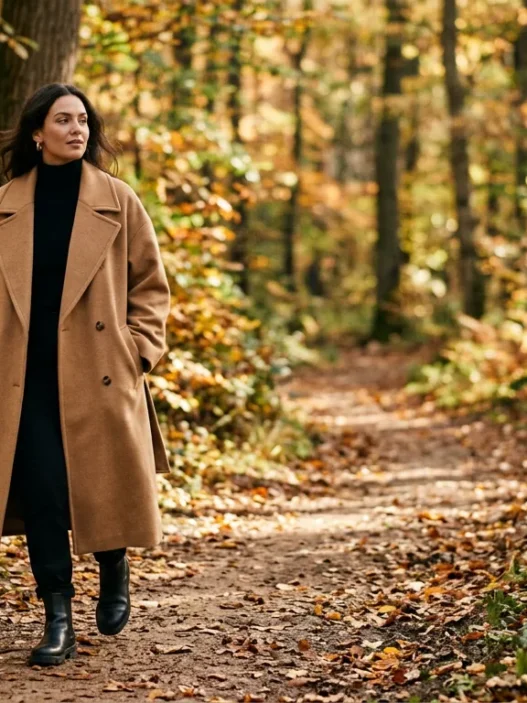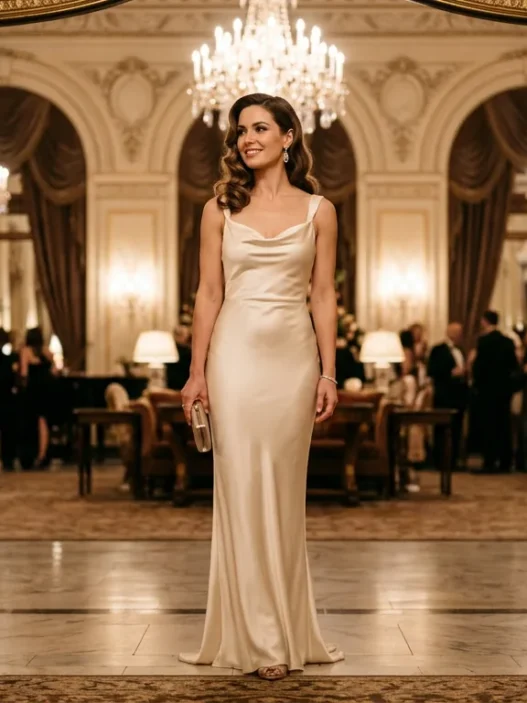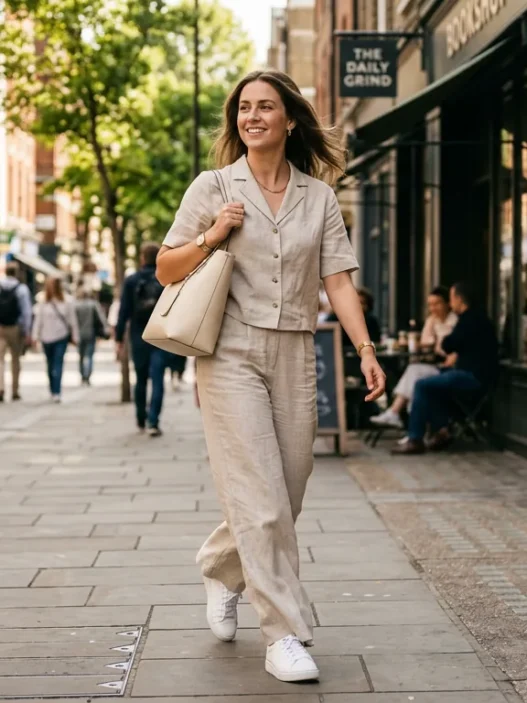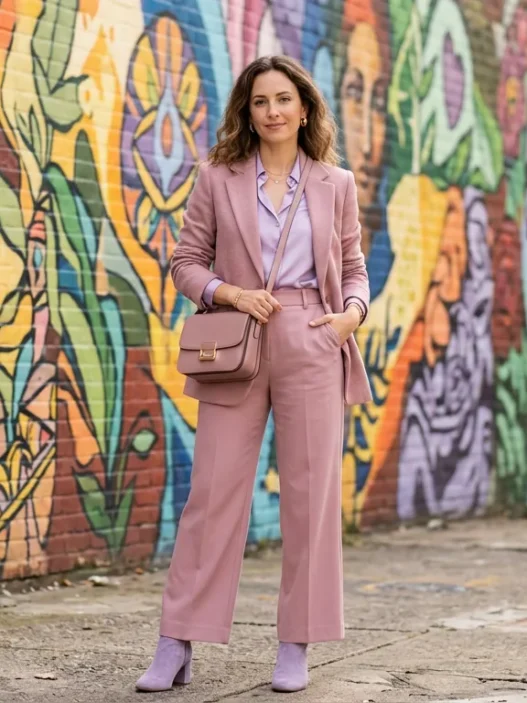










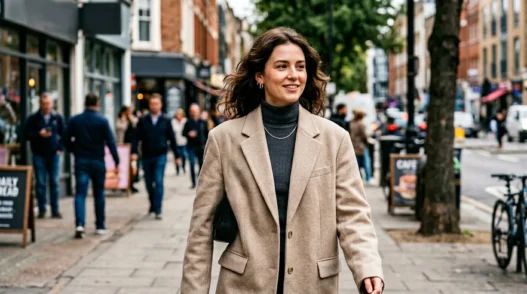
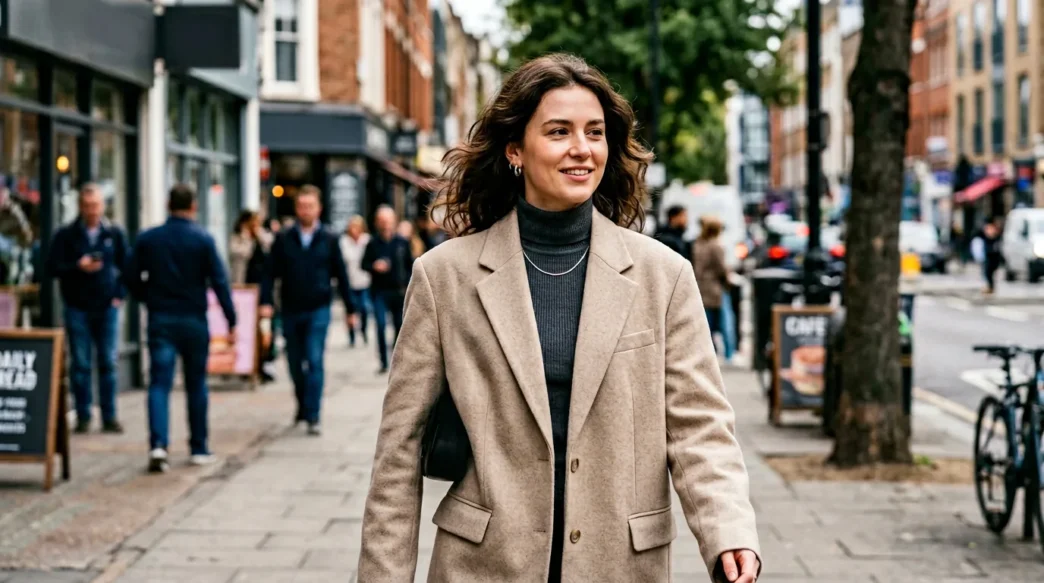
I was scrolling through my TikTok feed last month when I noticed something weird. Every third video featured someone in this specific type of outfit — oversized blazers, wide-leg trousers, chunky sneakers, all in this very particular neutral palette. Then I walked through SoHo and saw the same looks everywhere. That’s when I realized: acubi outfits aren’t just trending. They’re having a full cultural moment.
What Changed This Season
Here’s the thing about acubi fashion — it didn’t just appear overnight. But something shifted dramatically in early 2026 that made it explode everywhere. The minimalist oversized aesthetic that defines acubi suddenly clicked with what people actually wanted to wear post-pandemic.
I think it’s partly a reaction to the ultra-fitted, body-con trends we’ve been drowning in. People got tired of clothes that require you to suck in your stomach or worry about every angle. Acubi outfits give you this effortless, “I threw this together but look put-together” vibe that feels refreshing.
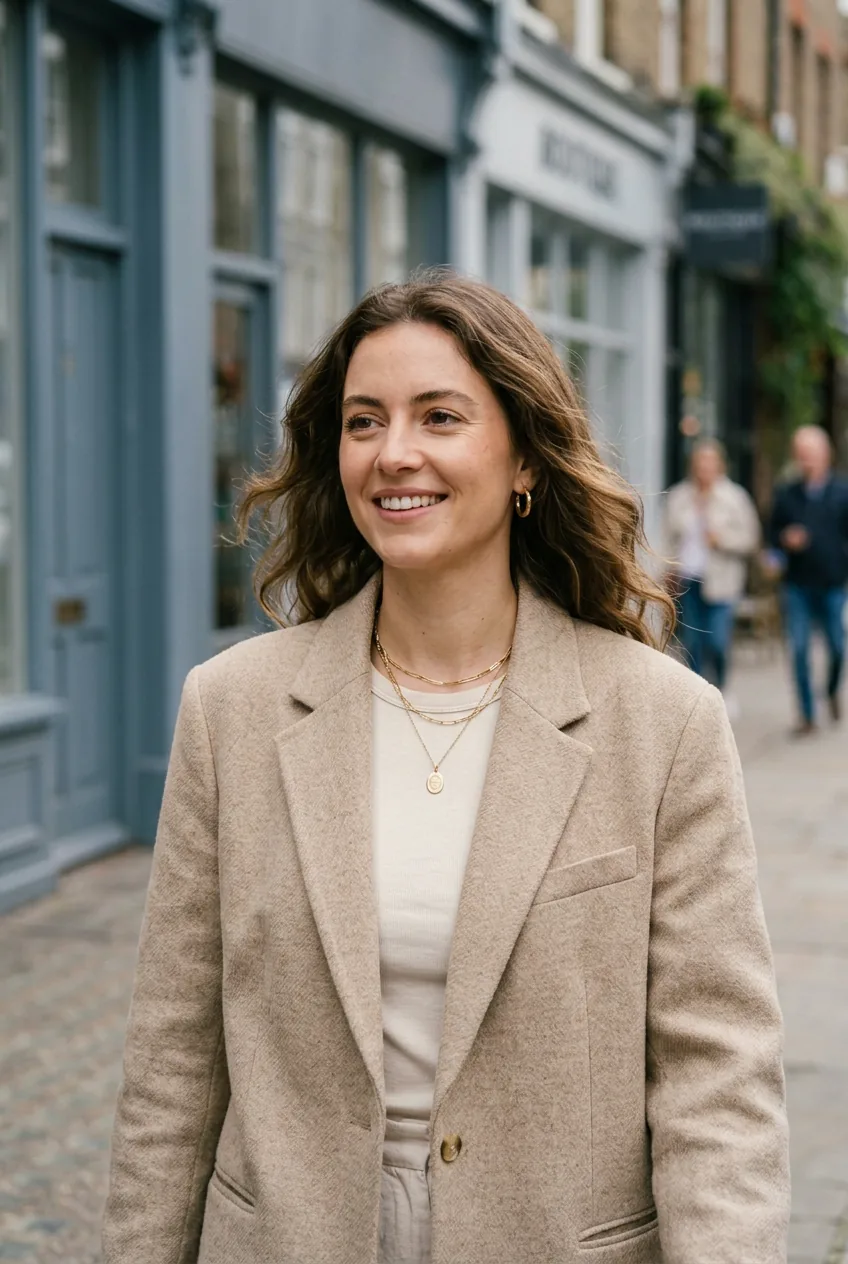
The color palette is what really sealed the deal for me. Those muted beiges, soft grays, and cream tones work with literally everything in your closet. You can’t mess it up, which is honestly half the appeal when you’re getting dressed at 7 AM.
Who’s Actually Driving This
Let me be clear about something: this isn’t just another influencer-driven trend. Yes, you’ve got your usual suspects posting acubi looks, but the real momentum is coming from regular people who discovered it organically.
College students seem to be the secret sauce here. They’re the ones who figured out how to make acubi work on a budget, mixing thrifted pieces with strategic new buys. I’ve seen girls create stunning acubi looks with a $15 blazer from Goodwill and some well-chosen basics.
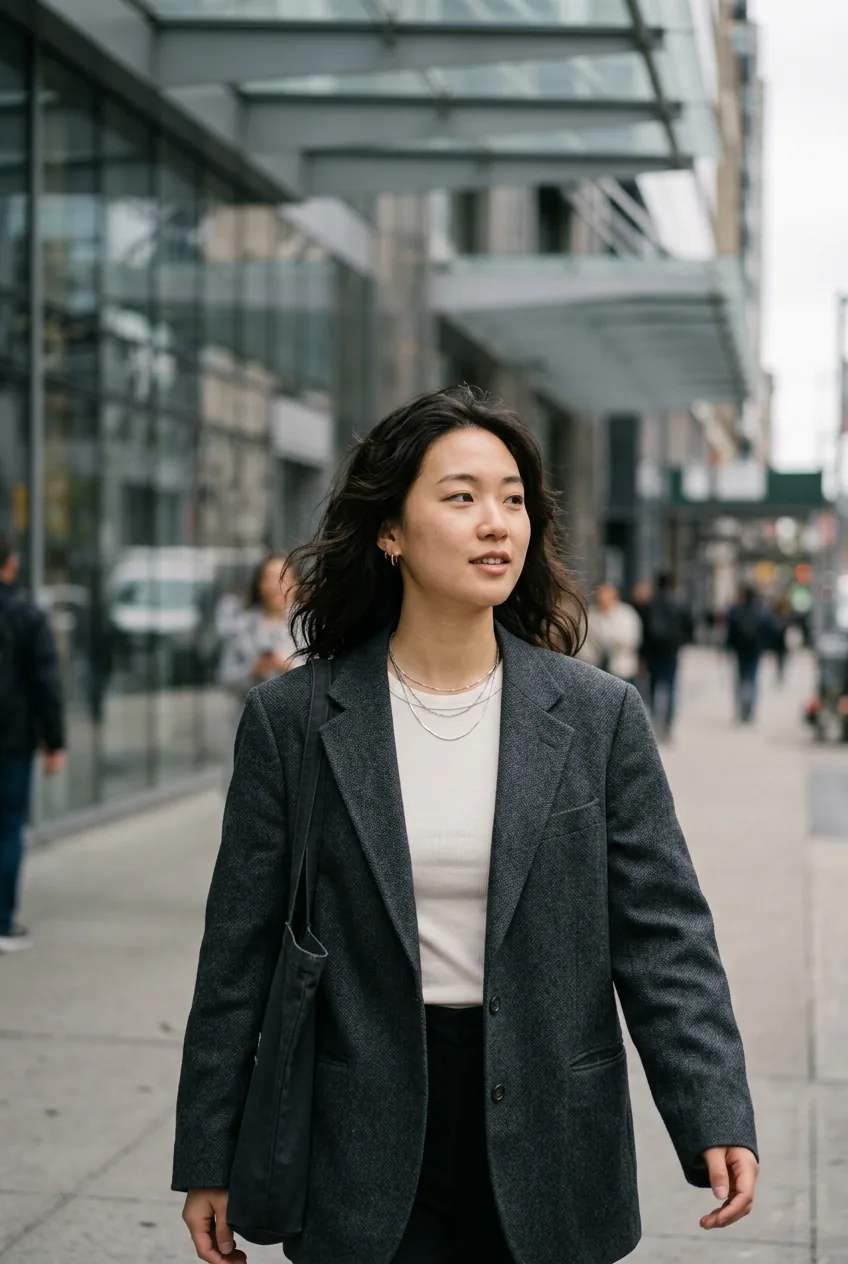
But here’s what’s interesting — working professionals in their late twenties and thirties are embracing it too. It turns out that acubi’s relaxed-but-polished aesthetic translates perfectly to hybrid work situations. You look professional enough for video calls but comfortable enough for your actual life.
The Three Core Pieces Everyone’s Buying
After watching this trend unfold for months, I can tell you exactly which pieces are driving the acubi movement. It’s not complicated — that’s part of the appeal.
The oversized blazer is non-negotiable. But not just any blazer — we’re talking about the kind with dropped shoulders and a boxy cut that hits around mid-hip. I bought mine in this perfect oatmeal shade, and it instantly makes any outfit look more intentional.
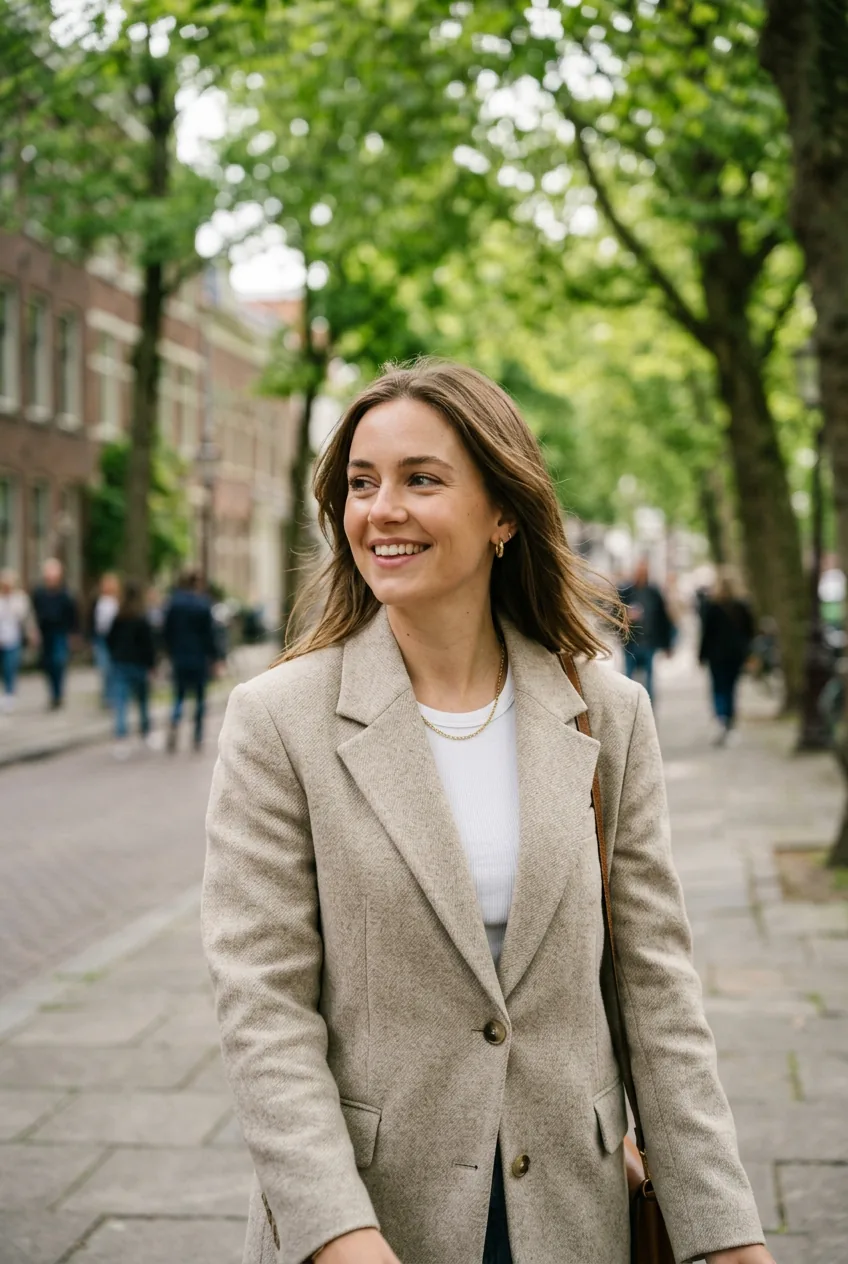
Wide-leg trousers are the second pillar. They need to be the kind that pool slightly at your ankles when you’re wearing chunky sneakers. I was skeptical about this silhouette at first, but once I tried it, I got it. The proportions just work.
Then there’s the chunky sneaker situation. This is where acubi gets divisive, and honestly, I’m here for it. These aren’t your sleek minimalist sneakers. They’re substantial, often in cream or white, and they completely change the energy of an outfit. The stylist trick behind a flawless going out look often comes down to unexpected shoe choices, and acubi proves that rule perfectly.
Where Street Style Meets Social Media
This is where acubi gets really interesting from a cultural perspective. It’s one of the first fashion trends I’ve seen that developed simultaneously in physical spaces and online — not one driving the other, but both feeding into each other organically.
Street style photographers started noticing these looks outside fashion weeks in early 2026. Same time, TikTok users were creating styling videos that went viral. The timing wasn’t coordinated, but it created this perfect storm of visibility.
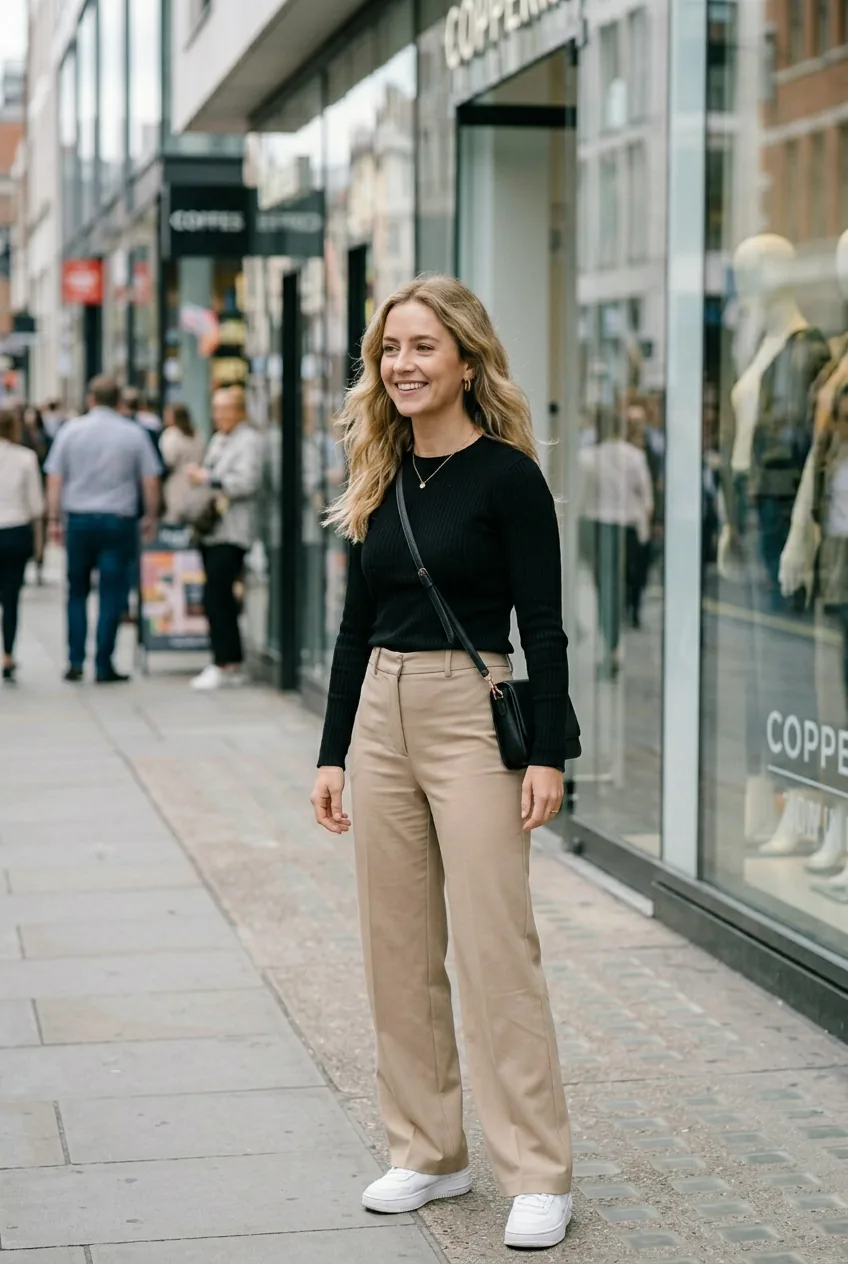
What’s fascinating is how the trend adapted differently on each platform. Instagram acubi tends to be more polished and aspirational. TikTok acubi is more accessible and DIY-focused. But both versions maintain that core aesthetic philosophy of comfortable oversized pieces in neutral tones.
See How It Blew Up Online
My Honest Take on the Hype
Okay, let me be controversial for a second. I think some people are treating acubi like it’s revolutionary when it’s really just… good basics styled well. The pieces themselves aren’t groundbreaking. What’s smart is the proportions and the commitment to a specific color story.
That said, I’m completely here for a trend that makes getting dressed easier rather than harder. I’ve been incorporating acubi elements into my wardrobe, and I love how foolproof it is. You literally cannot create an ugly outfit if you stick to the formula.
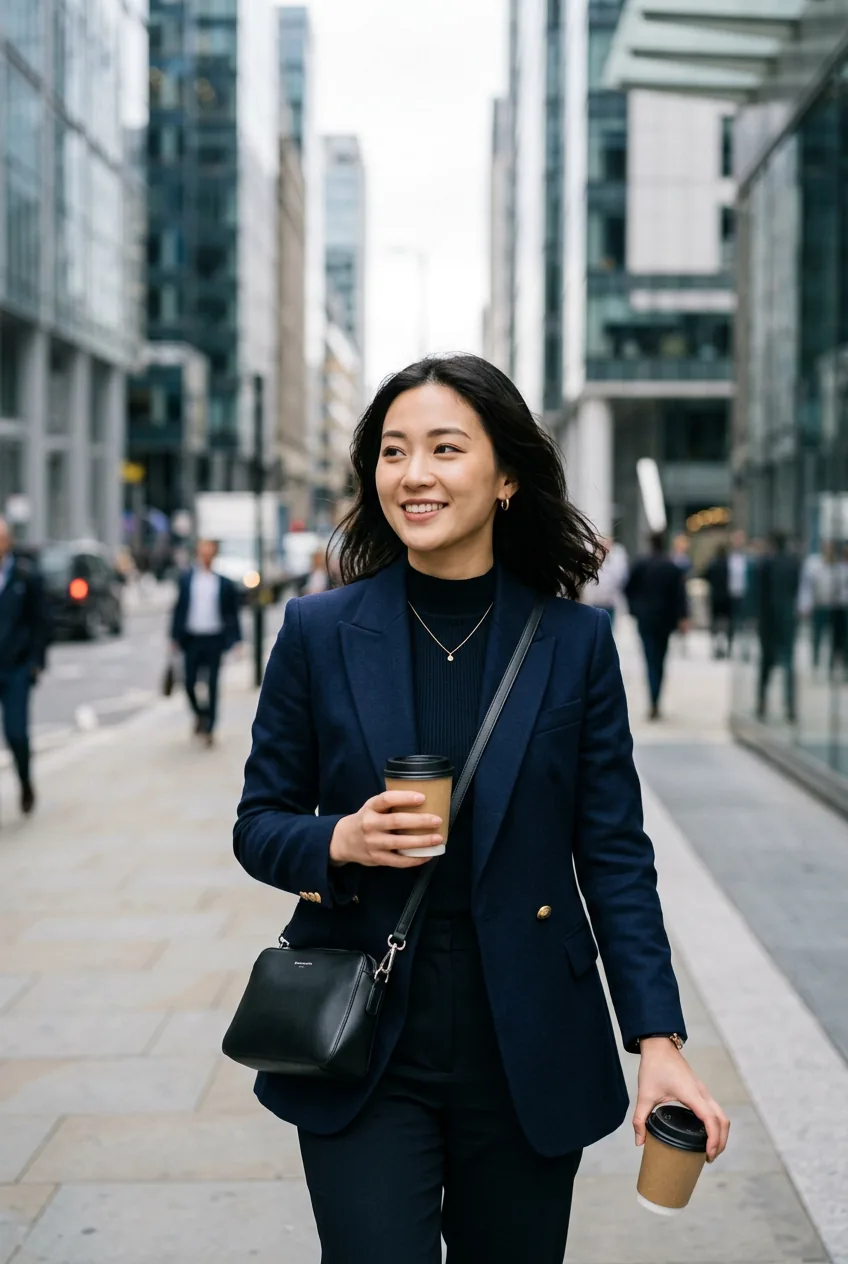
My only criticism? The trend can veer into “expensive minimalism” territory quickly. Yes, you can do acubi on a budget, but the aspirational versions often feature $300 blazers and $200 sneakers. That’s not accessible for everyone who wants to participate in the trend.
But honestly, sustainable fashion movements have been pushing us toward investing in fewer, better pieces anyway. If acubi gets people thinking more intentionally about their wardrobes, that’s not a bad thing.
Will It Last Past 2026?
Here’s my prediction: the specific name “acubi” will probably fade, but the aesthetic principles will stick around longer than most trends. Why? Because it solves real problems that people have with getting dressed.
The oversized silhouettes work for different body types. The neutral palette makes outfit planning brainless. The pieces are versatile enough to work in multiple contexts. These aren’t just aesthetic choices — they’re practical solutions to wardrobe challenges.
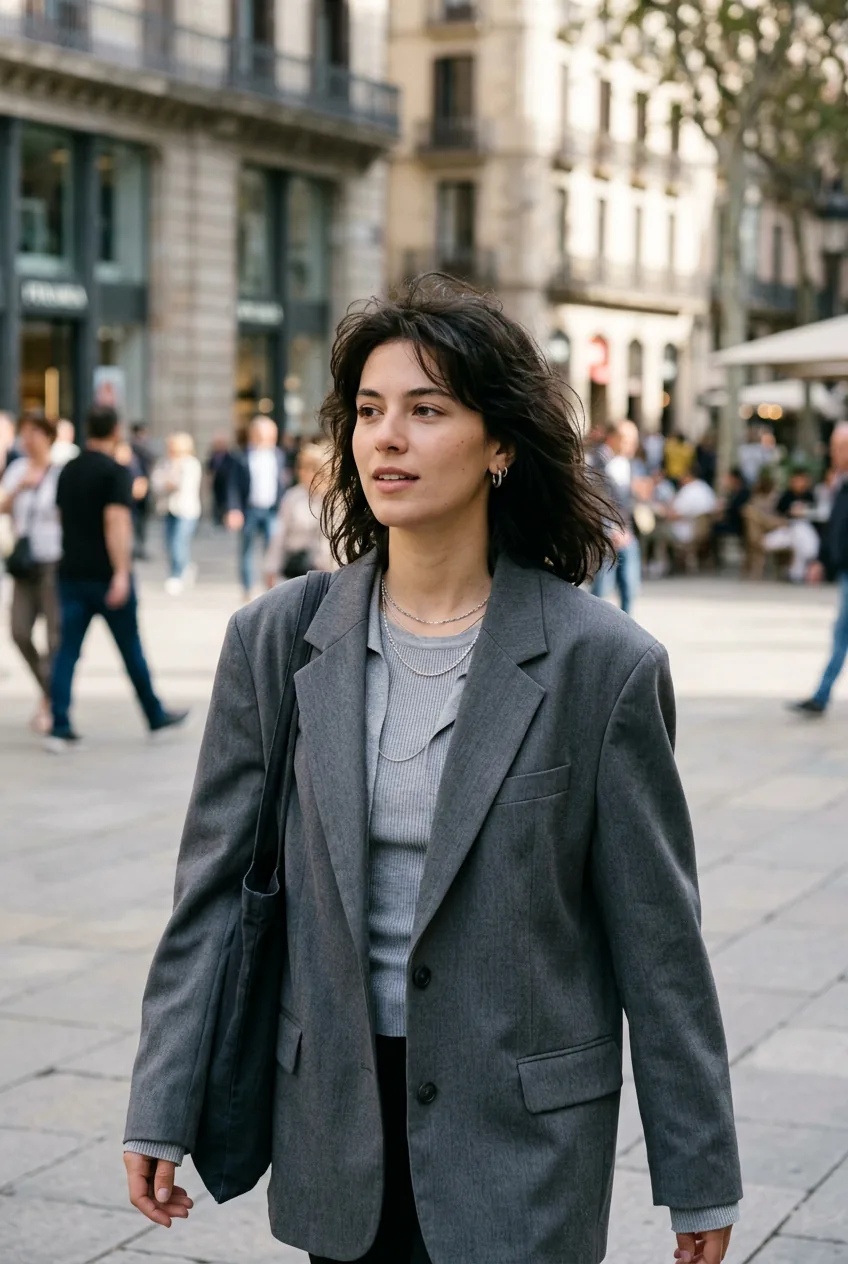
I suspect we’ll see acubi evolve rather than disappear. Maybe the color palette will shift, or the proportions will adjust slightly. But the core idea of comfortable, oversized, neutral-toned pieces that look effortlessly put-together? That’s not going anywhere.
The real test will be whether people still reach for their acubi pieces when the next big trend appears. My bet is they will — because unlike a lot of fashion moments, this one is built on genuine wearability rather than pure novelty.
Questions I Get About Acubi
Is acubi just another name for minimalist fashion?
Not exactly. While both emphasize neutral colors and clean lines, acubi is specifically about oversized proportions and that relaxed-but-intentional styling. Traditional minimalism can be much more fitted and structured.
Can you do acubi if you’re petite?
Absolutely, but the proportions need adjustment. Look for cropped blazers instead of mid-hip length, and make sure your trousers hit at the right ankle length. The oversized concept still works — you just need to scale it appropriately.
What’s the difference between acubi and “clean girl” aesthetic?
Clean girl is more about beauty and styling approach, while acubi is specifically about clothing silhouettes and color palettes. You could definitely combine them — minimal makeup with acubi outfits actually works really well together.
Are there any colors besides neutrals that work for acubi?
The classic acubi palette sticks to beiges, creams, and soft grays, but I’ve seen people successfully incorporate muted blues or sage greens. The key is keeping the tones soft and avoiding anything too bright or saturated.
The cultural moment around acubi outfits feels different from the typical fashion cycle. It’s less about following what influencers tell you to buy and more about discovering what actually works for your life. And maybe that’s why it’s resonating so strongly right now — we’re all a little tired of trends that look great in photos but feel terrible to actually wear.