









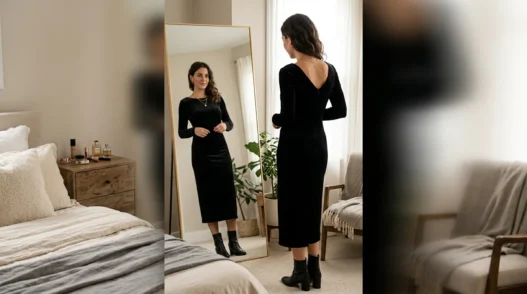
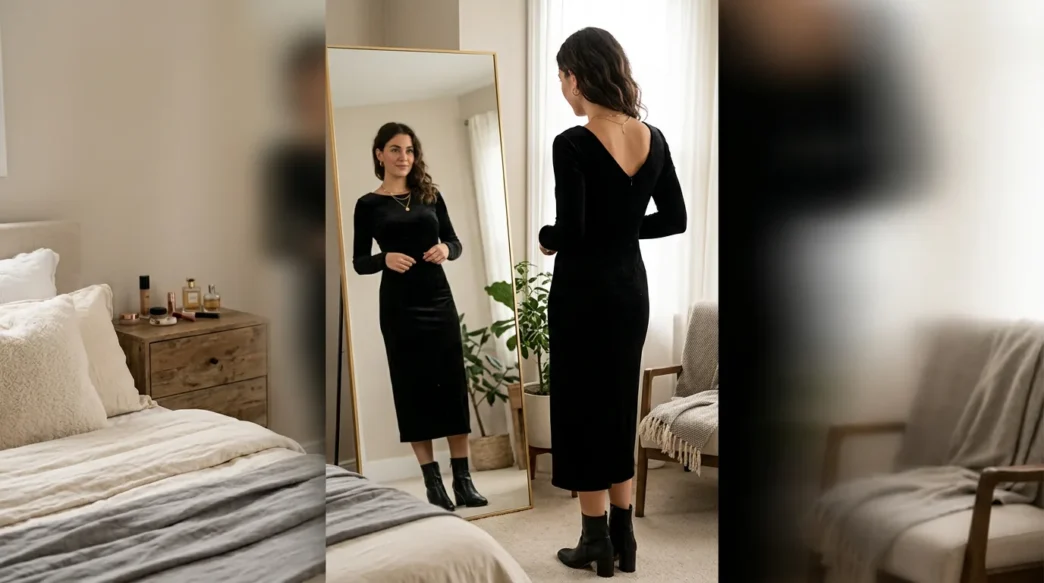
I used to think going out outfits were all about the dress or the top. Pick something cute, throw on heels, done. But after watching how my friend who’s a celebrity stylist approaches evening looks, I realized I was missing the entire foundation. There’s an actual formula behind those effortless-but-intentional outfits you see in magazines. And honestly? Once you know it, you’ll never look at your closet the same way.
What You’ll Need
Before we jump into the styling formula, here’s what you should have on hand:
- A full-length mirror (seriously, this is non-negotiable)
- Your phone camera for outfit photos
- A measuring tape or belt to test proportions
- Good lighting — natural light if possible
- At least three outfit options to practice with
- A notebook to jot down what works for your body
Step 1: What Makes Stylist Outfits Different
The biggest difference between how regular people and stylists approach going out outfits? Stylists never start with a single piece. They start with a silhouette story.
When I watch my stylist friend work, she always asks the same questions first: Where is the eye going? What’s the focal point? How do we want the body to move through space? It sounds dramatic, but it’s actually pretty practical once you get it.
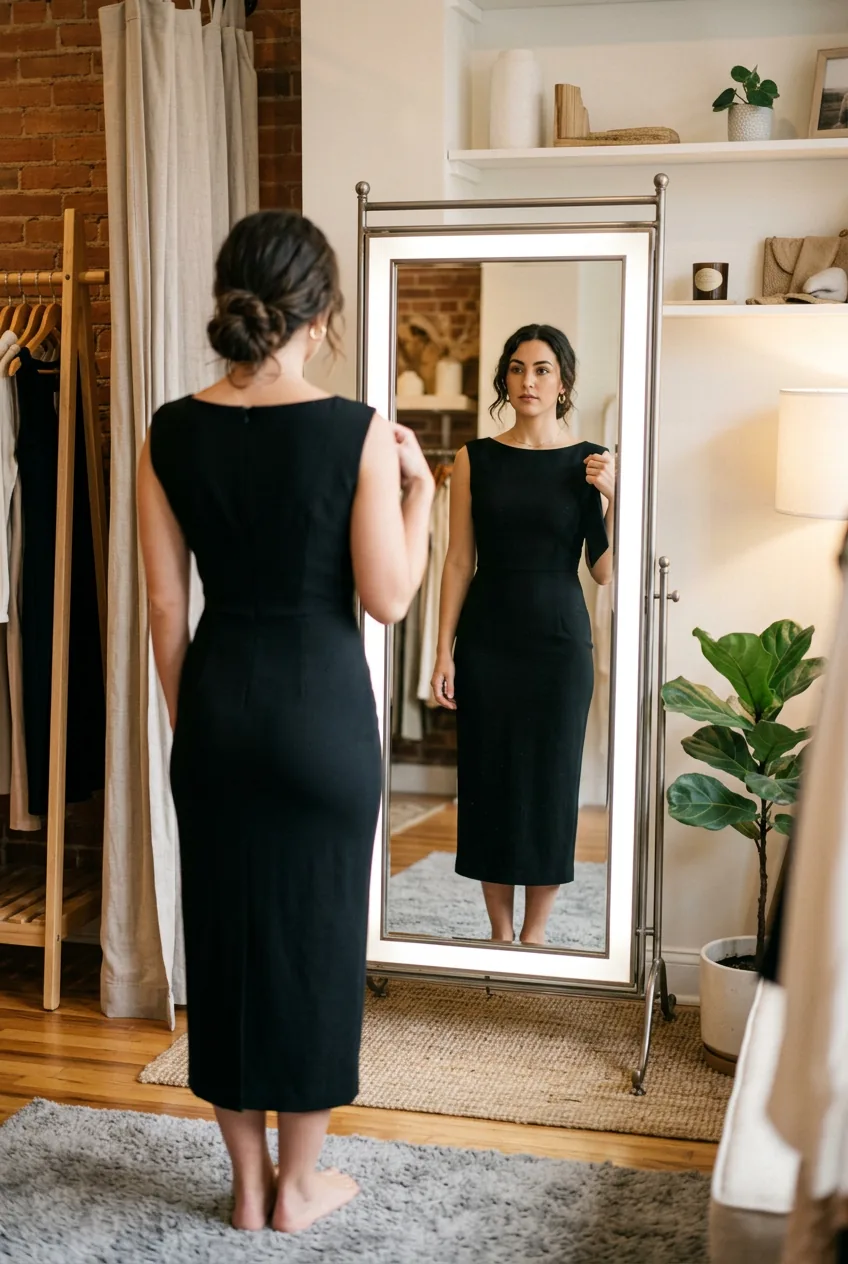
Think about it like this — every outfit tells a visual story. Some outfits whisper “effortless sophistication” while others scream “look at me.” Neither is wrong, but you have to pick one intentionally. The mistake I used to make was mixing messages. A body-conscious dress with chunky statement jewelry and bold shoes? That’s three different stories competing for attention.
The professional approach is to decide on your story first, then build every single element around that narrative. Are we going for sleek minimalism? Romantic femininity? Edgy confidence? Pick one and commit.
Step 2: The Foundation Rule Stylists Always Use
Here’s the insider secret that changed everything for me: stylists always build from the foundation up, and the foundation is never the prettiest piece. It’s the piece that does the most work.
For going out outfits, your foundation piece is whatever covers the largest area of your body. Usually that’s a dress, jumpsuit, or the combination of your top and bottom. This piece has to nail three things: fit, comfort, and the basic silhouette you want.
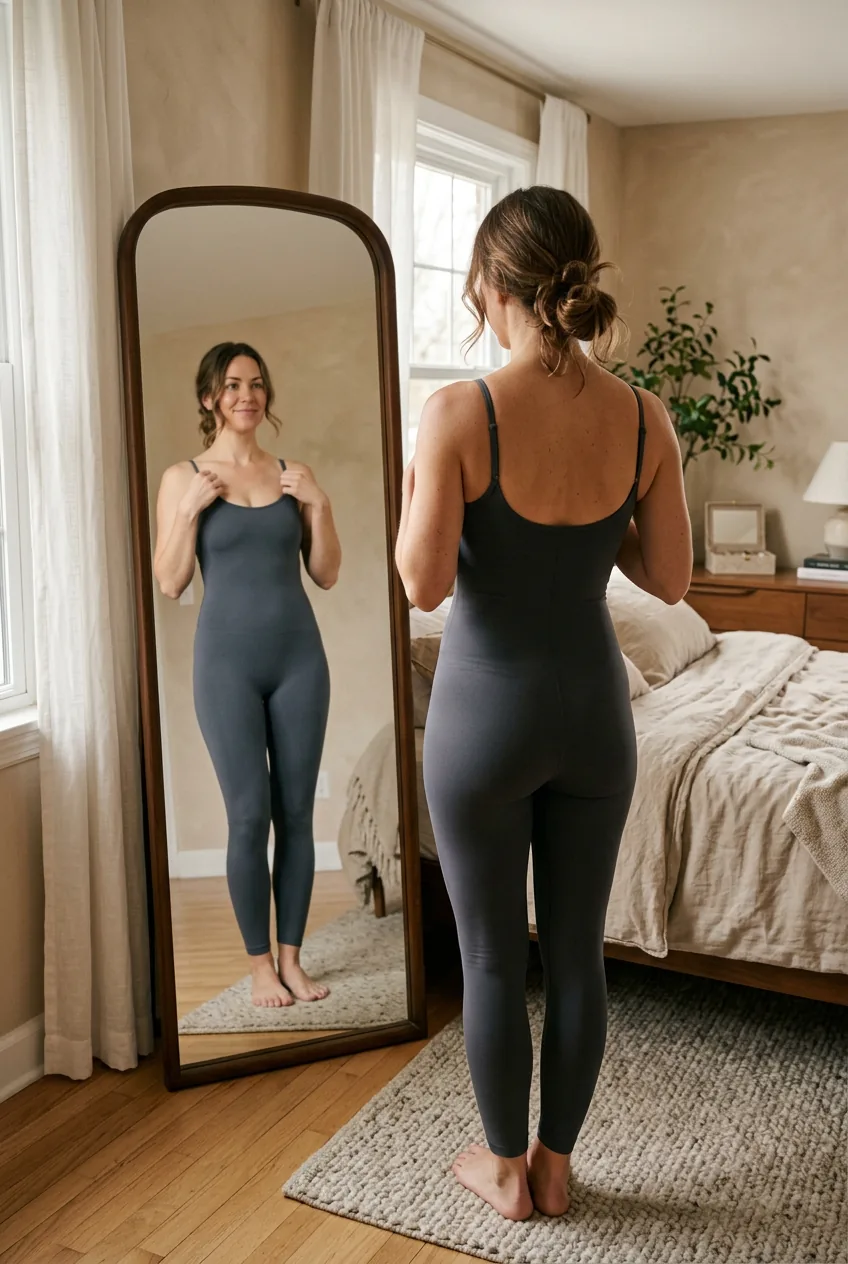
I used to pick the sexiest or trendiest piece first, then try to build around it. But stylists do the opposite. They pick the most functional piece that creates the right shape, then add the personality on top. It’s like choosing a good bra before picking a shirt — the foundation does the heavy lifting so everything else can look effortless.
The mistake I made for years: buying statement dresses that looked incredible on the hanger but felt wrong on my body. Now I test the foundation first — can I sit, dance, and move confidently? If not, it doesn’t matter how stunning it looks standing still.
Your foundation piece should fit so well that you could wear it alone and still feel put-together. That’s your baseline. Everything else is decoration.
Step 3: Why Editorial Outfits Have That ‘Third Piece’
You know how magazine outfits always look more polished than what we put together at home? It’s because stylists religiously follow the “third piece” rule. And no, I’m not talking about the jacket-top-bottom formula you see everywhere.
The real third piece rule is about creating visual interest in three different zones of your body. Most people focus on one zone — usually the top — and leave everywhere else boring. But stylists think about top, middle, and bottom as separate canvases.
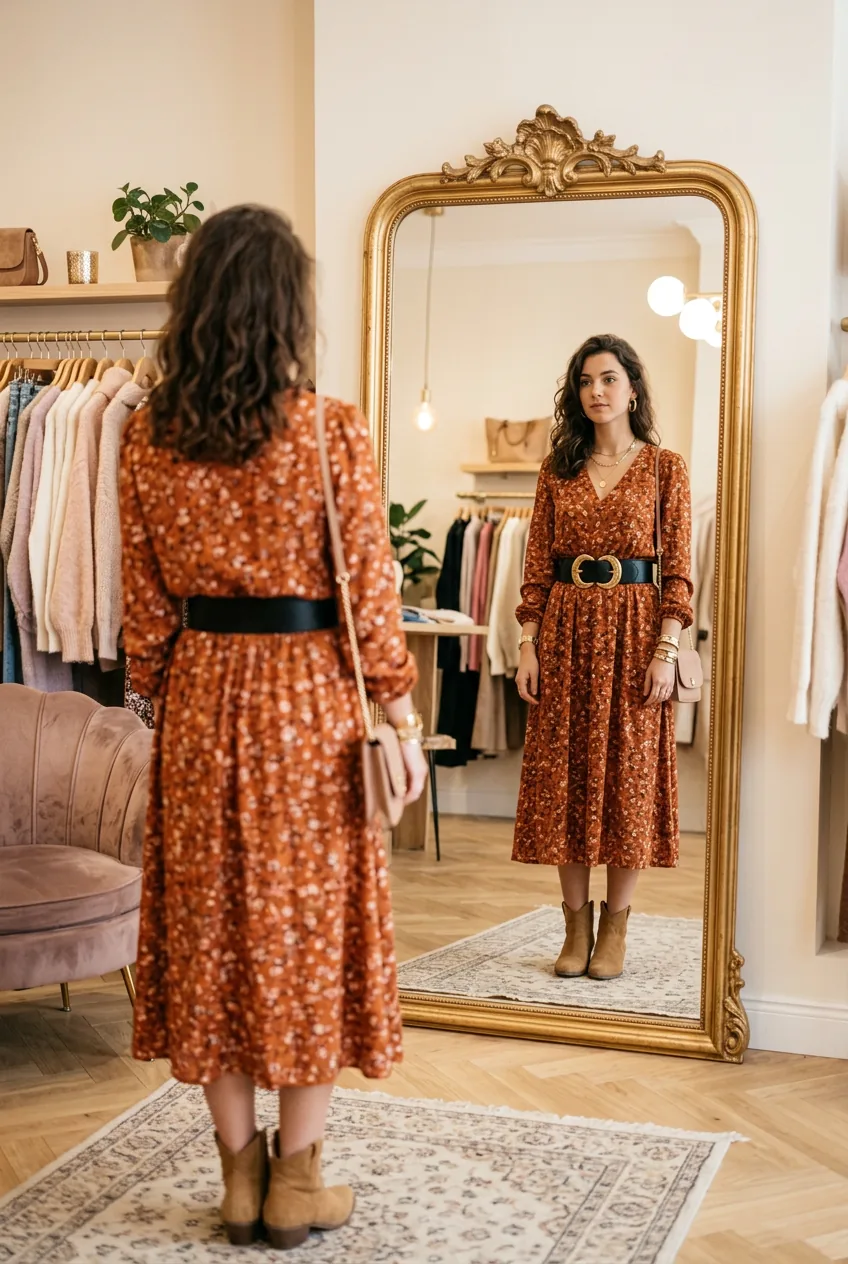
Let’s say you’re wearing a simple black dress. Amateur styling stops there. Professional styling adds a belt to define the waist (middle zone) and interesting shoes that complement but don’t compete (bottom zone). Or maybe it’s statement earrings (top zone) with a structured bag (middle) and classic pumps (bottom).
The key is that these three elements should feel connected but not matchy-matchy. I like to think of it as a conversation between different parts of the outfit. When I’m checking myself in the mirror, I literally look at my reflection in thirds. Does each zone have something interesting to offer without overwhelming the others?
This is why those retro glamour outfits always look so intentional. They’re not just throwing on vintage pieces — they’re thinking about how the hair, the dress silhouette, and the accessories work as a complete visual story.
Step 4: The Professional Proportion Trick
This step is where most people’s outfits fall apart, and it’s the one thing that separates amateur styling from professional results. Stylists are obsessed with proportions, but not in the way you think.
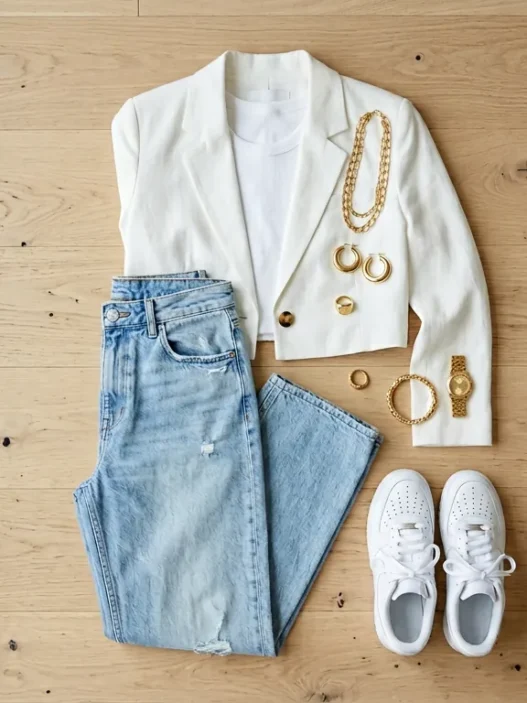
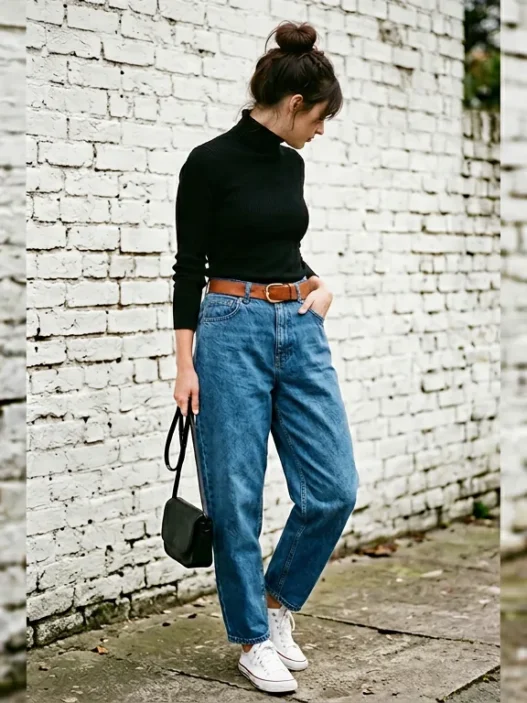
It’s not about following rules like “if you wear a loose top, wear tight bottoms.” It’s about understanding how different proportions change the entire energy of your look. A cropped jacket over a midi dress creates a completely different vibe than the same dress with a long cardigan.
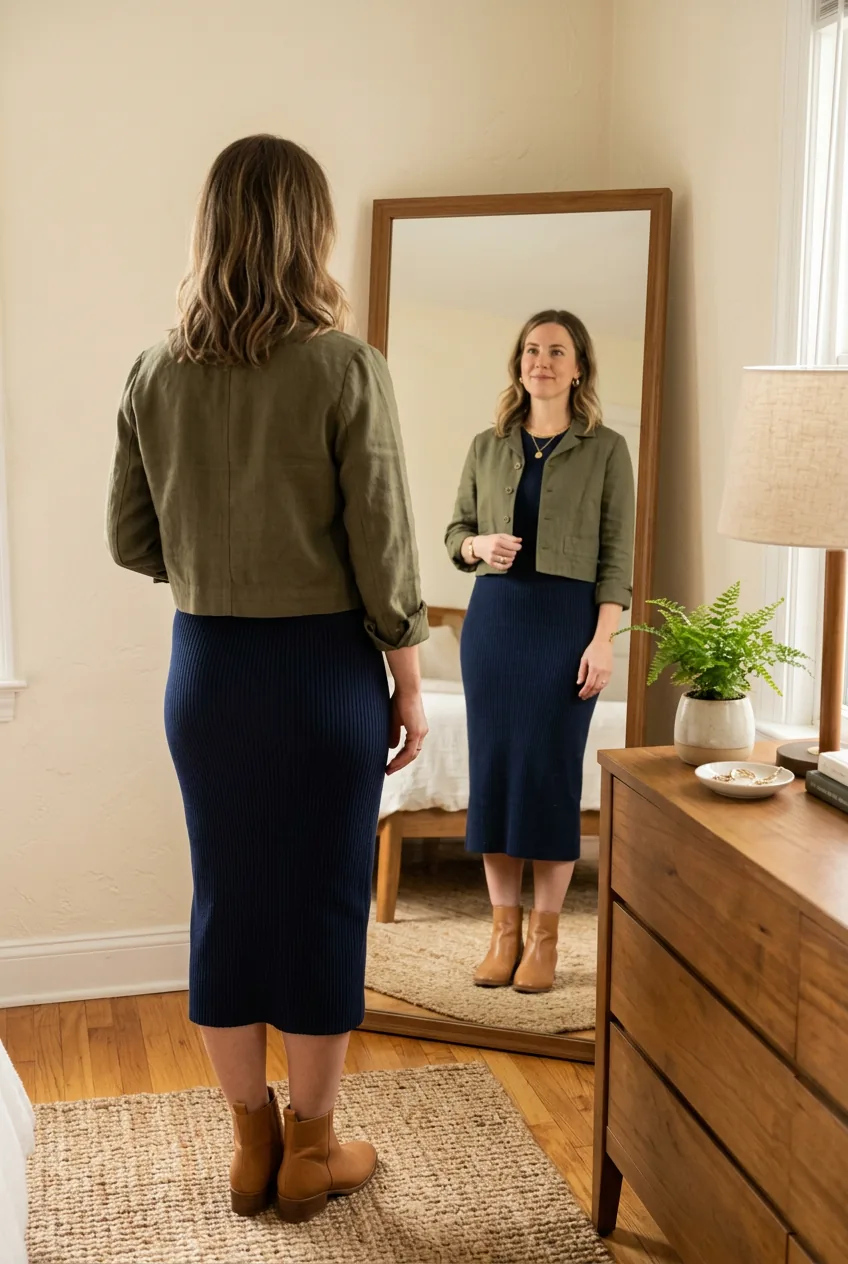
Here’s what I learned from watching stylists work: they always test proportions by changing one element at a time. Same dress, different shoe heel height. Same top, different pant silhouette. Same accessories, different hair volume. They’re constantly asking “what does this change do to the overall feeling?”
The professional trick is to take a photo of yourself in your outfit, then make one small proportion change and take another photo. The difference is usually dramatic, even when the change seems minor. A belt worn at the natural waist versus slightly lower can completely change whether an outfit reads as romantic or edgy.
Understanding proportions becomes intuitive once you start practicing with your phone camera. I keep a folder of outfit photos where I tested different proportions with the same basic pieces.
See the Proportion Magic in Action
Step 5: How Stylists Choose Statement Elements
Now we get to the fun part — but stylists approach statement pieces completely differently than the rest of us. They don’t pick statement elements based on what’s pretty. They pick based on what serves the overall story and fills a specific visual need.
Every statement element has a job. Maybe the outfit needs more texture, so they add a beaded clutch. Maybe it needs more color, so they bring in bold lipstick. Maybe it needs more drama, so they choose architectural jewelry. But they never add something just because it’s beautiful in isolation.
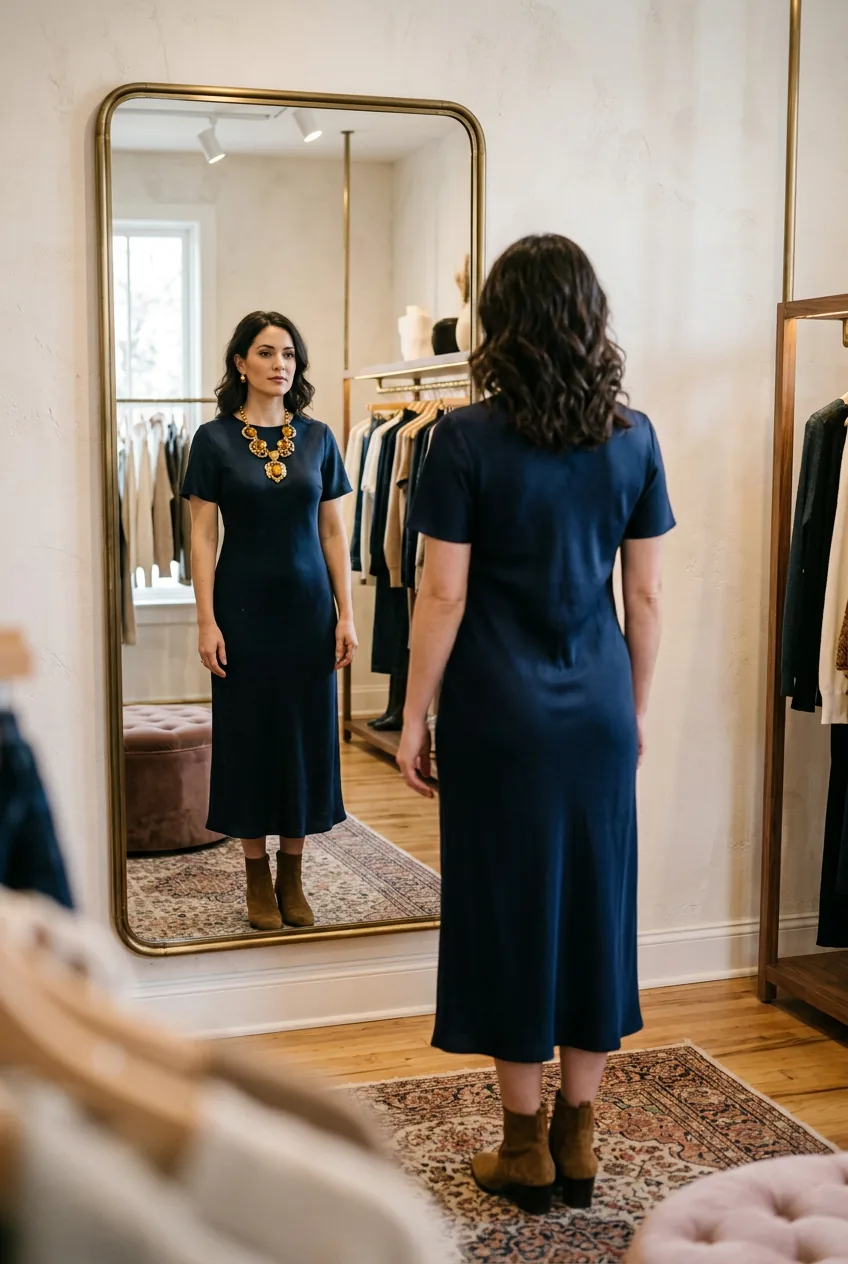
I used to collect statement pieces without thinking about how they’d work together. A dramatic necklace, bold printed shoes, a structured bag with hardware details. All beautiful pieces, but when I tried to style them together, everything competed for attention.
The stylist approach is to choose one statement element as the hero, then make sure everything else supports it. If your statement earrings are the star, your neckline, hair, and makeup should frame them beautifully. If your shoes are making the statement, your hem length and leg line should show them off perfectly.
Think of your statement element as the lead singer in a band. Everyone else is there to make the lead singer sound better, not to compete for the microphone.
Step 6: Adapting Pro Tricks for Real Life
Here’s where I bring this down to earth, because styling like a professional doesn’t mean you need a professional’s budget or time. The biggest difference is being intentional instead of random.
Start with your most successful going out outfit — the one where people always compliment you or ask where you got something. Analyze it using this formula. What’s the foundation doing? How are the proportions working? Where’s your statement element? What story is it telling?
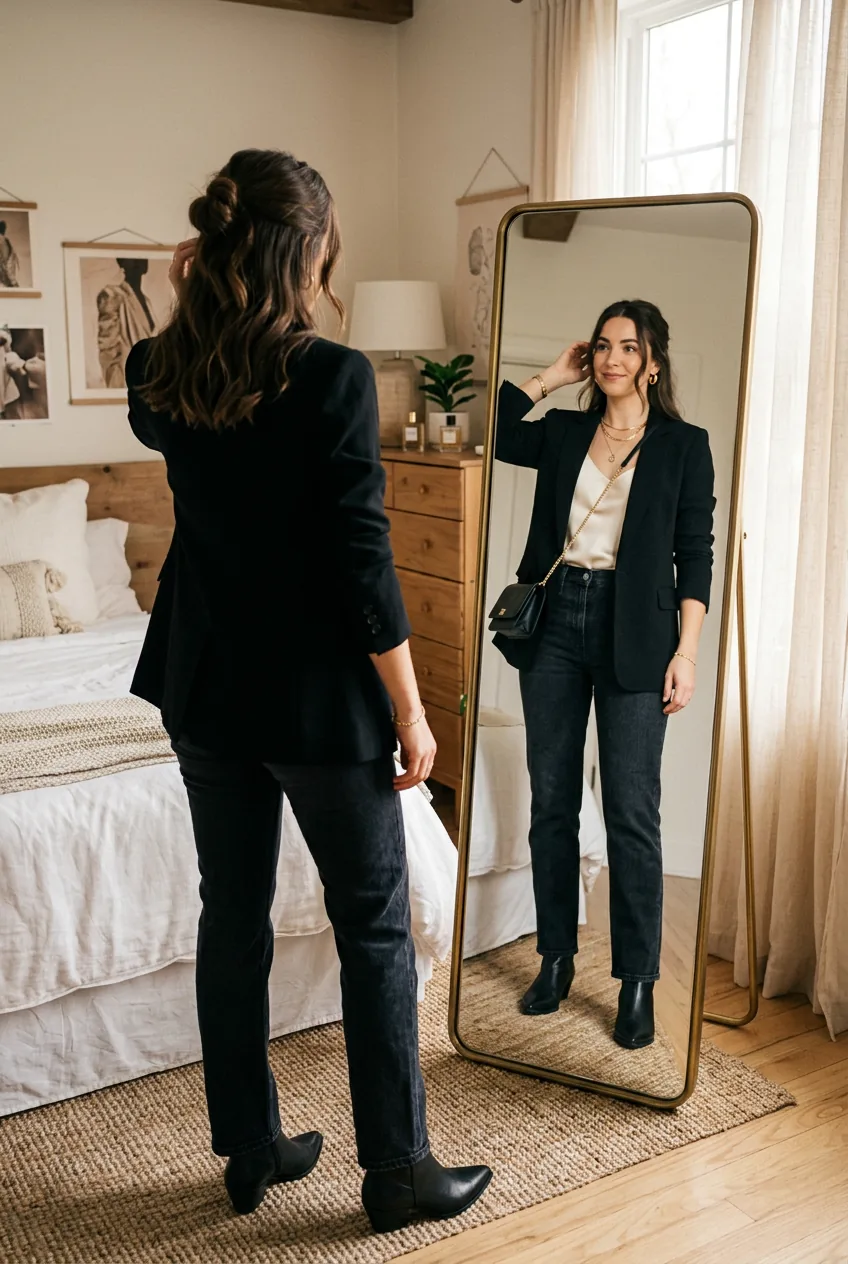
Once you understand why that outfit works, you can recreate the same formula with different pieces. Same proportions, different colors. Same statement element placement, different actual accessories. Same silhouette story, different textures.
For busy weeknights when you’re getting ready quickly, create a few “formula outfits” based on this system. Formula A might be: sleek foundation + waist-defining third piece + statement shoes. Formula B could be: flowing foundation + structured third piece + statement jewelry. Having these templates saves so much decision-making time.
The other real-world adaptation is learning to shop differently. Instead of buying individual pieces that catch your eye, think about what role each piece plays in your styling formula. Do you need more foundation pieces? More third-piece options? More statement elements in a specific category?
And honestly, this approach works for way more than just going out outfits. These same principles apply to casual winter outfits or any situation where you want to look intentional instead of thrown-together.
Quick Answers
Can this formula work for different body types?
Absolutely. The formula is about visual storytelling, not specific pieces. A curvy body and a straight body will use different foundation pieces and proportions, but the same approach of foundation + third piece + statement element works for everyone.
What if I don’t have a lot of going out clothes?
Start by analyzing what you do have using this formula. You might discover that pieces you thought were casual can work for going out with different proportions and styling. A simple black dress becomes evening-appropriate with the right third piece and statement element.
How do I know if my statement element is too much?
Take a photo and cover up your statement element with your finger. If the outfit still looks complete and interesting, your statement piece might be competing instead of enhancing. The rest of the outfit should feel slightly unfinished without your statement element.
Does this work for different going out occasions?
The formula stays the same, but the interpretation changes. A dinner date might call for subtle statements and refined proportions, while a night out dancing could handle bolder statements and more dramatic proportions. The foundation-third piece-statement structure works for both.
Since I started using this stylist approach, getting dressed for going out feels so much more intentional. Instead of trying on five different outfits and feeling frustrated, I can build a look that feels both effortless and put-together. Plus, I actually understand why certain combinations work while others fall flat. It’s like having a professional stylist’s brain in your own closet — and honestly, that’s exactly what I was hoping for when I started paying attention to how the pros really work. Check out more styling approaches if you want to dive deeper into the technical side of outfit building.