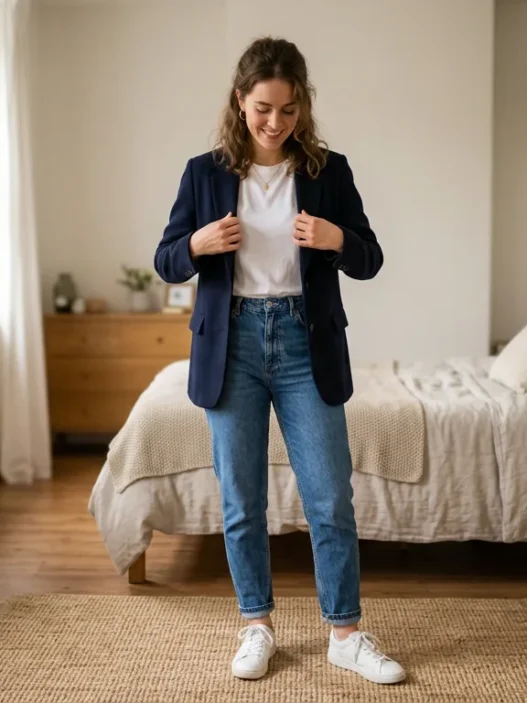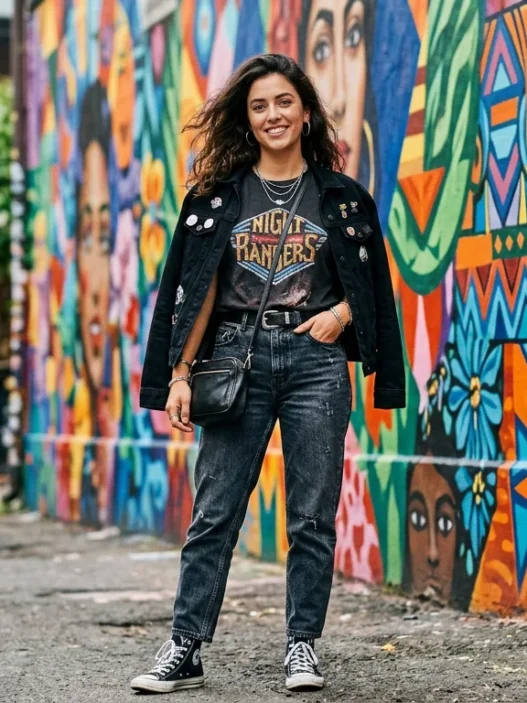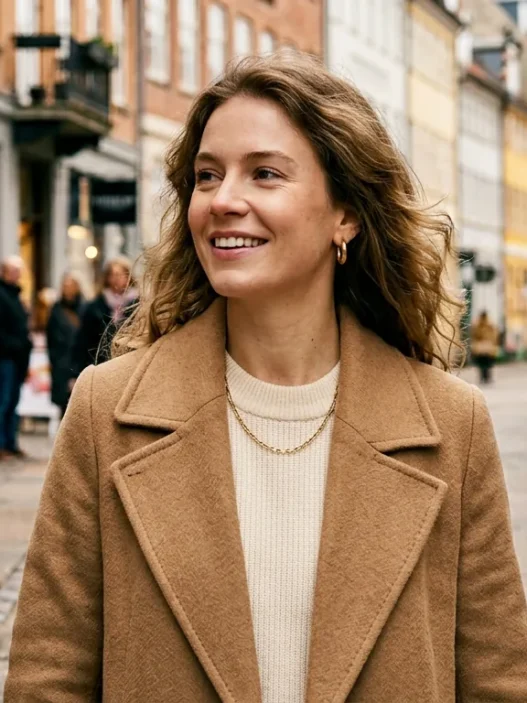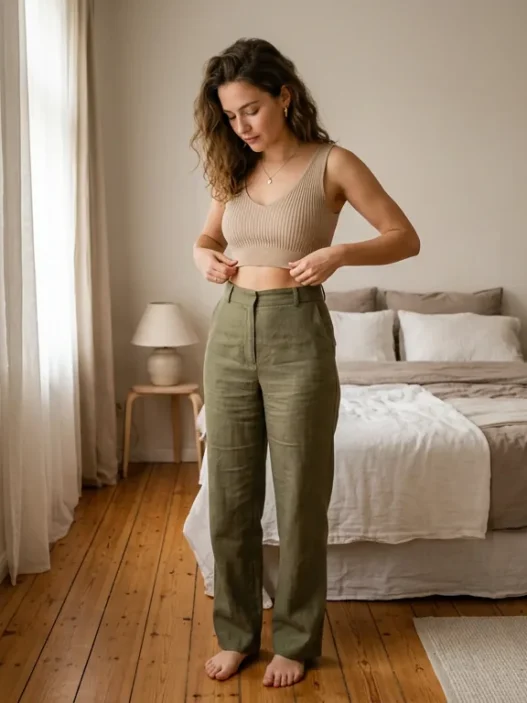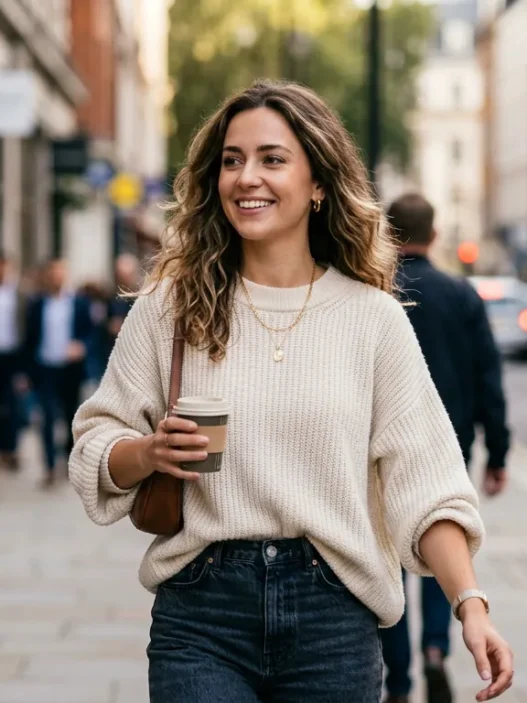






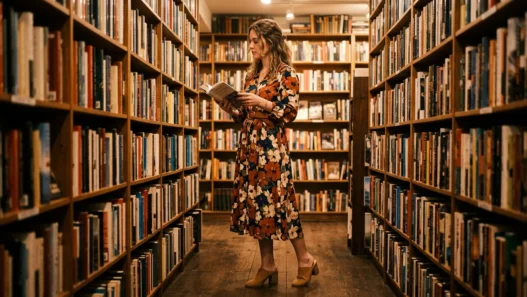


Three years ago, I was that person who tried on four different outfits every morning and still felt like I looked “meh.” My closet was overflowing, yet I constantly felt like I had nothing to wear. Then I discovered something that changed everything: the power of a personal uniform built around classy casual pieces. Now I reach for the same basic formula every single day, and honestly? I’ve never felt more put-together or confident in my clothes.
When It Started
The lightbulb moment came during a particularly stressful work week. I was running late for a client meeting, standing in front of my closet in my underwear, surrounded by rejected outfit options on the floor. That’s when I spotted my favorite pair of dark wash jeans hanging next to a cream silk blouse I’d worn the week before. I threw them on with my go-to blazer, and suddenly I looked… perfect.
Not perfect in a magazine-editorial way, but perfect for me. The outfit felt effortless yet polished. I got compliments all day. More importantly, I felt like myself — comfortable, confident, and appropriately dressed for everything on my schedule.
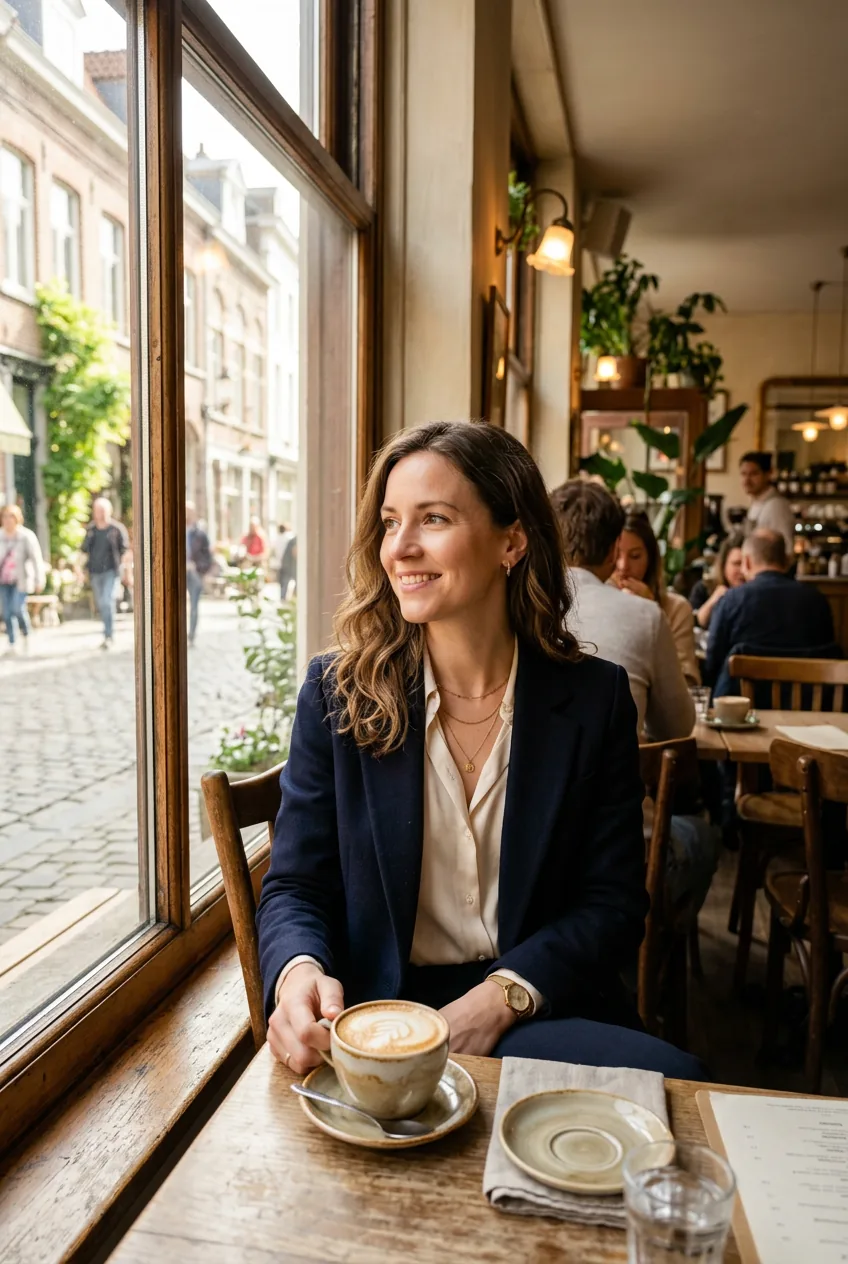
That night, I started thinking about all the women I admired for their style. Capsule wardrobe principles kept coming up in my research, but what really struck me was how the most stylish women I knew seemed to have found their “thing” — their signature look that worked across different situations.
Why It Works
Here’s what I’ve learned about uniform dressing: it’s not about being boring or limiting your creativity. It’s about creating a framework that eliminates decision fatigue while ensuring you always look intentional.
My classy casual uniform saves me roughly 15 minutes every morning. But the real magic happens in my confidence levels. When you know your formula works, you stop second-guessing yourself. You stop taking mirror selfies asking your friends “does this work?” You just get dressed and go live your life.
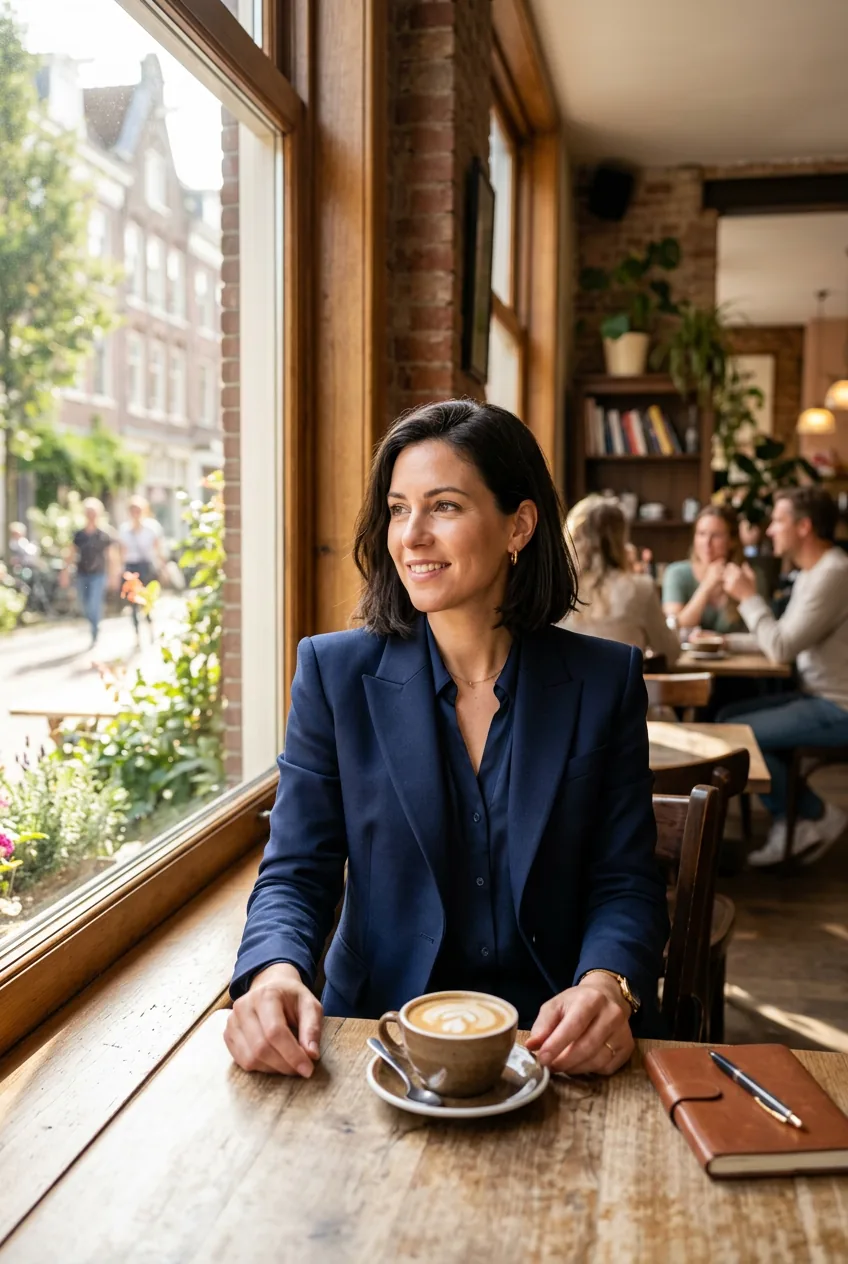
The financial benefits surprised me too. Instead of impulse buying random pieces that might work with my existing clothes, I only shop within my established formula. This means I buy fewer pieces overall, but each item gets worn constantly, making the cost-per-wear incredibly low.
The Core Pieces in My Rotation
My classy casual uniform revolves around six core categories, with 2-3 options in each. This gives me enough variety to avoid feeling like I’m wearing a literal uniform, while maintaining that effortless consistency.
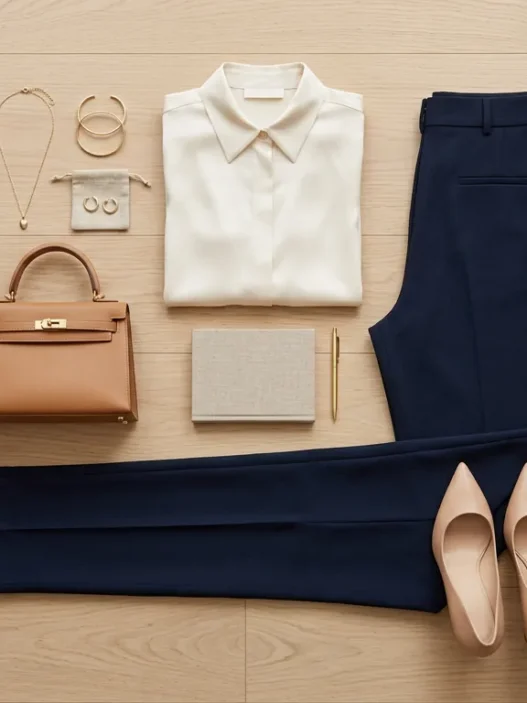
- The Base Layer: Silk blouses in cream, navy, and soft pink. These work tucked or untucked, sleeves rolled or down.
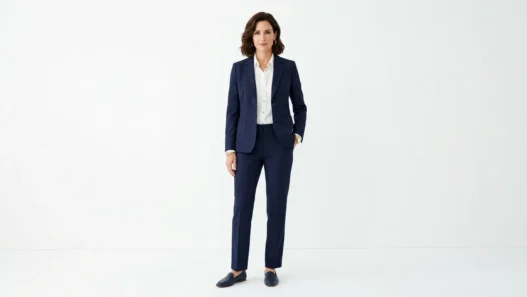
- The Bottom: Dark wash straight-leg jeans and tailored black trousers. Both hit at the perfect ankle length with heels or flats.
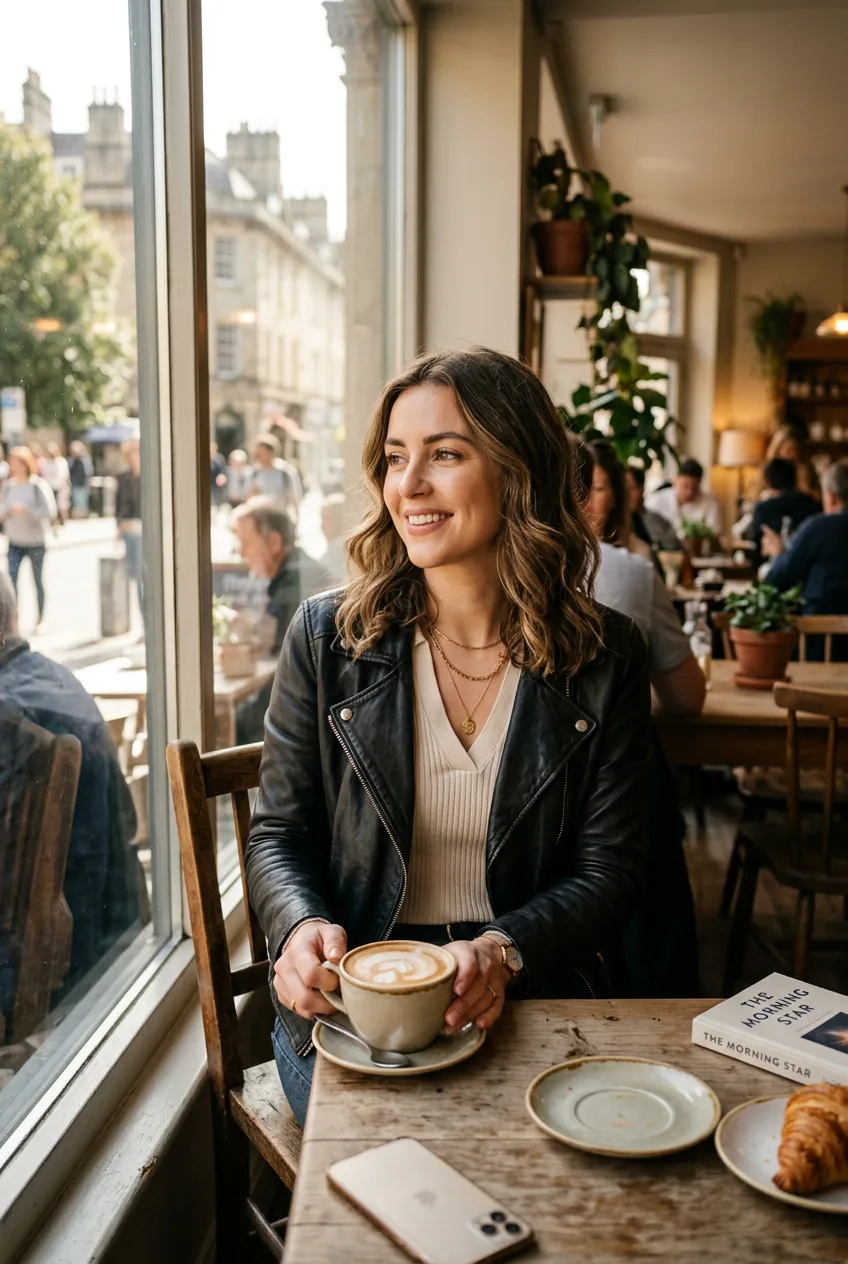
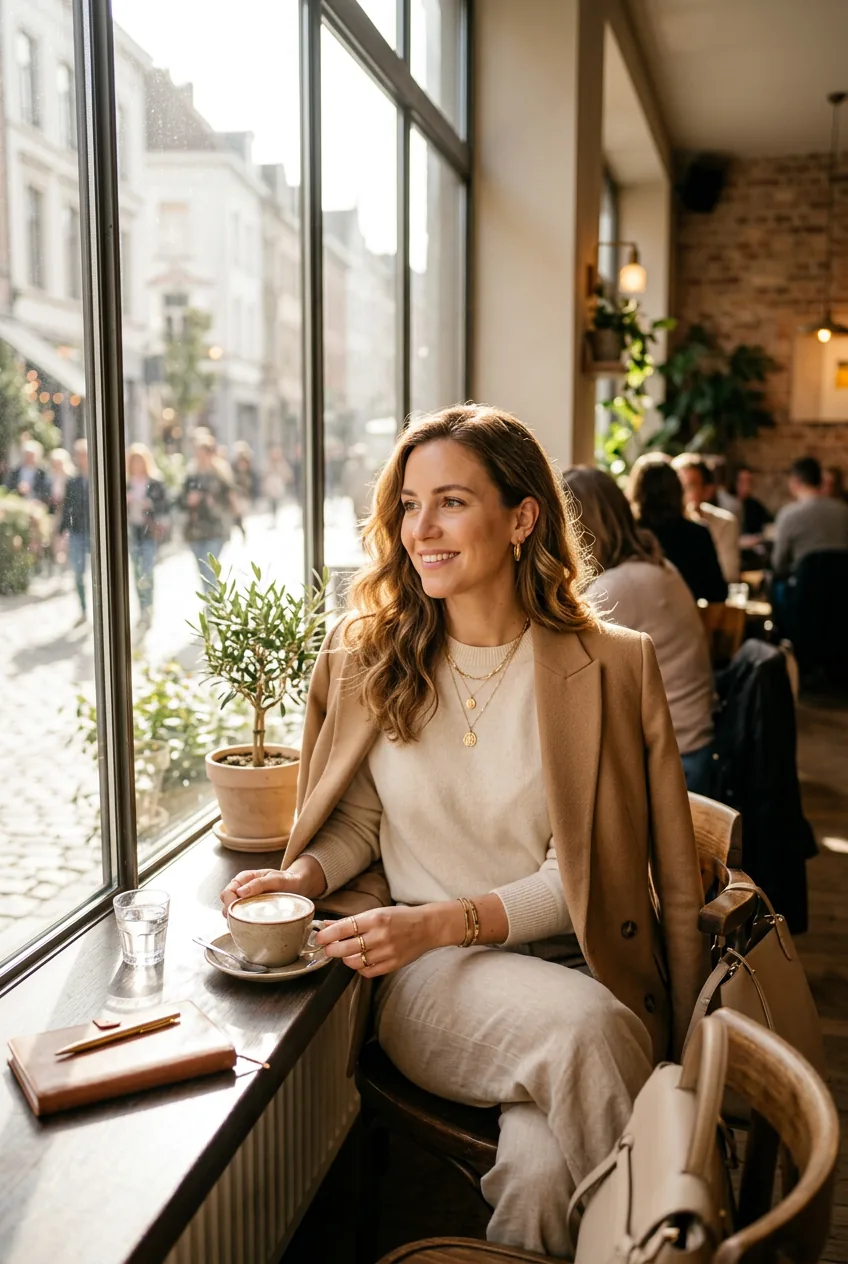
- The Third Piece: A structured blazer in camel, a soft cardigan in gray, or a leather jacket for edge.
- The Shoes: Nude pointed flats, black ankle boots, or white leather sneakers depending on the day’s agenda.
- The Bag: A structured tote in black or cognac leather that fits my laptop and daily essentials.
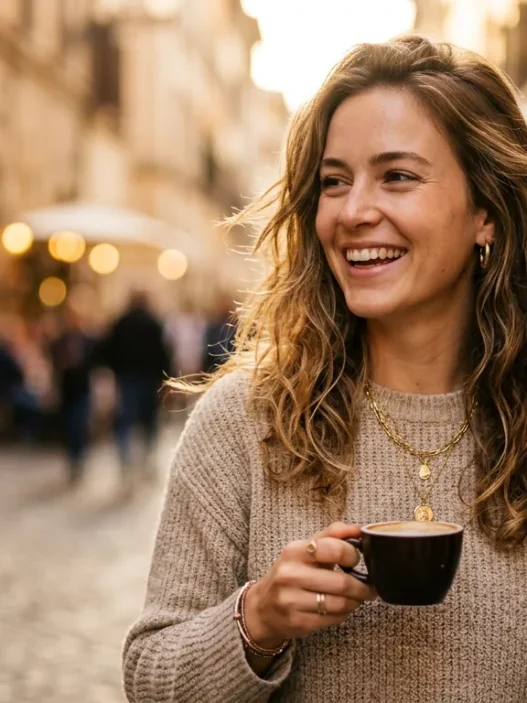
- The Jewelry: Simple gold pieces — thin hoops, a delicate chain necklace, and my everyday rings.
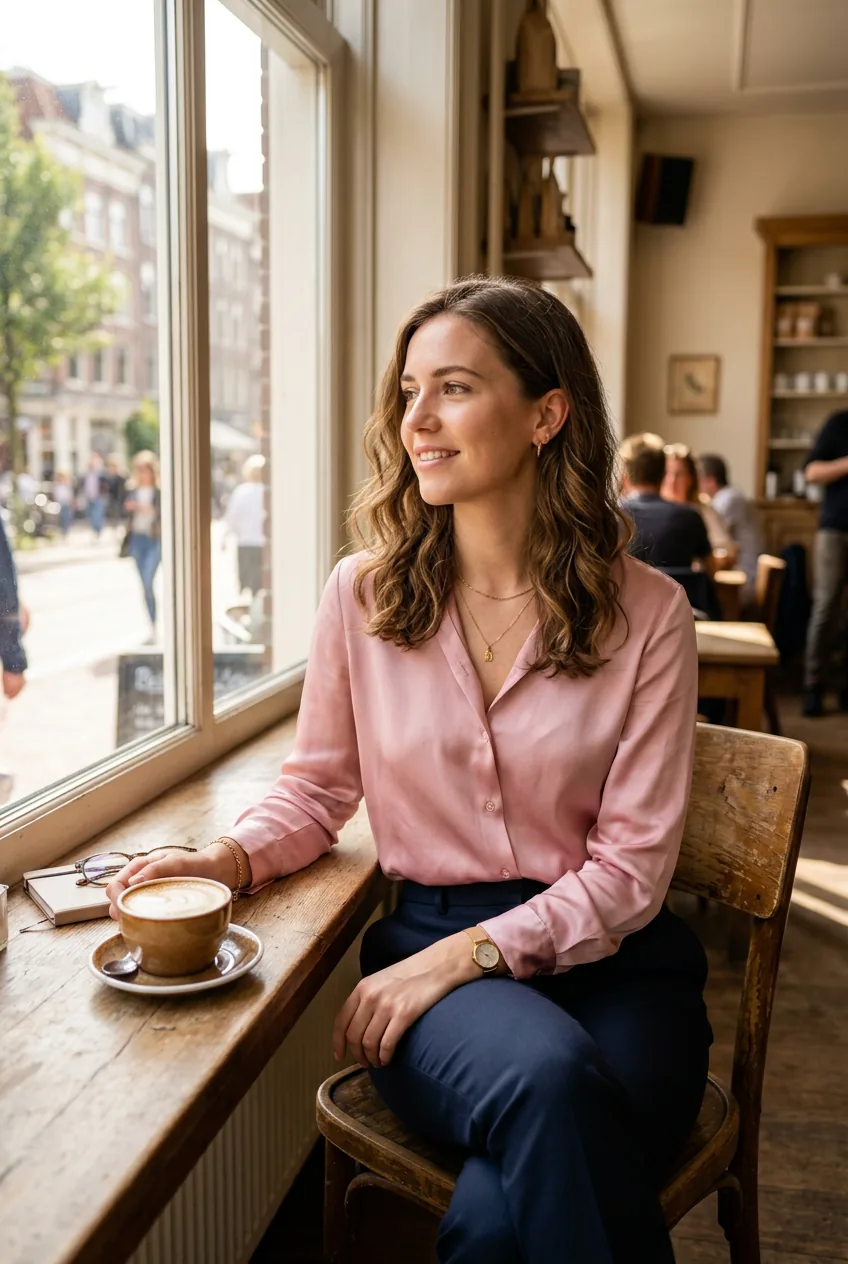
What makes this formula work is the intentional color palette. Everything coordinates without me having to think about it. The neutral base allows the 5-minute casual outfit formula to feel sophisticated rather than rushed.
The key is investing in quality basics that photograph well and maintain their shape after multiple wears. My silk blouses cost more upfront, but they’ve maintained their structure and color after countless washes.
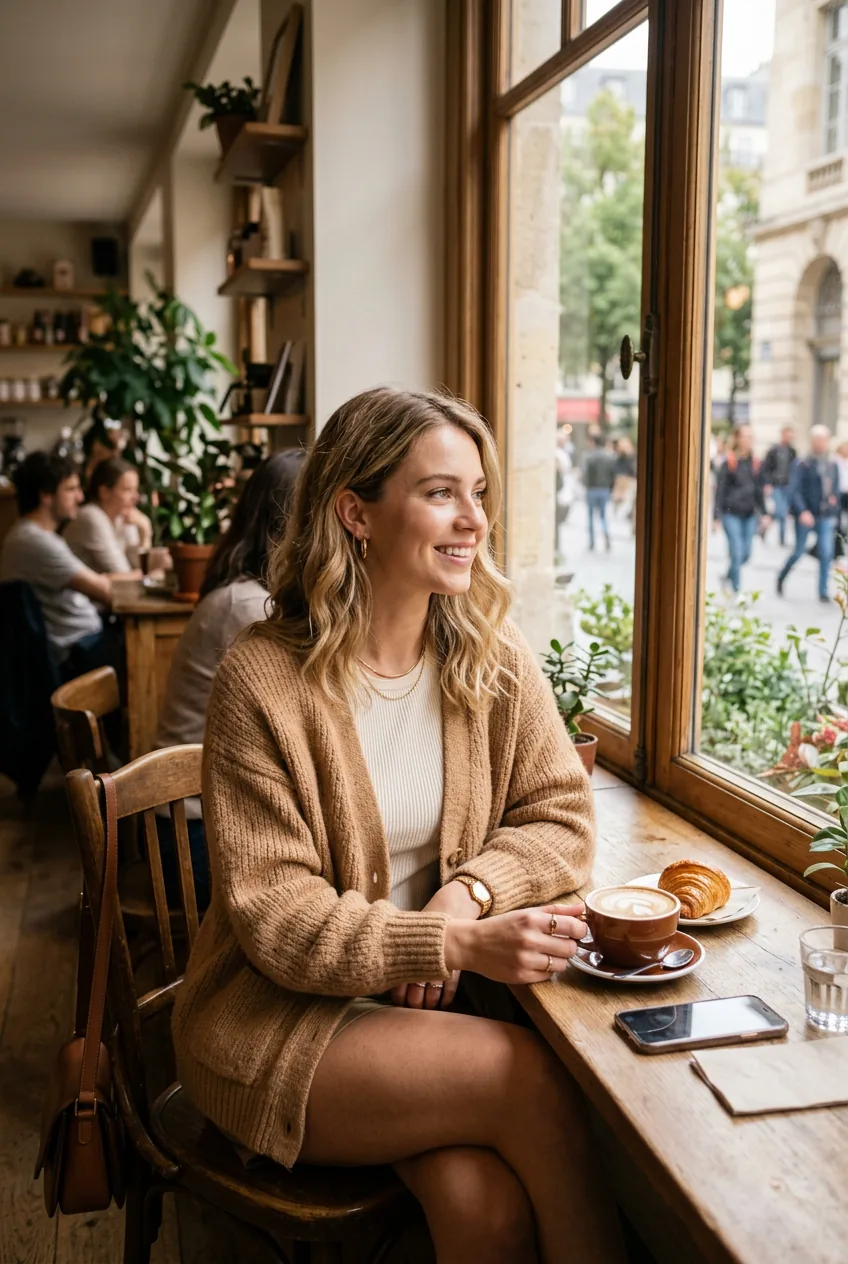
What I’ve Let Go Of
Building a uniform meant saying goodbye to pieces that didn’t fit my established aesthetic. This was harder than I expected, but incredibly liberating.
I donated all my graphic tees (sorry, but they never looked quite right with my blazers). The trendy pieces that felt “fun” in the store but weird on my body? Gone. The shoes that pinched but looked cute? Donated to someone who could actually walk in them.
The most controversial decision: I stopped buying “statement” pieces entirely. You know those items that make you think “this is so unique, I have to have it”? I realized those pieces often hung in my closet because they were too distinctive to repeat frequently.
Instead of chasing every trend, I focus on finding better versions of the pieces I already know work. When my favorite jeans wore out, I spent weeks finding the perfect replacement rather than settling for something “close enough.”
The Psychology Behind Uniform Dressing
There’s real science behind why uniform dressing works so well. Decision fatigue research shows that we make thousands of micro-decisions daily, and each one depletes our mental energy.
When you eliminate the “what should I wear?” decision, you free up brain space for more important choices throughout the day. I’ve noticed I’m more creative at work and more present in conversations since I stopped spending mental energy on outfit decisions.
But here’s what surprised me: wearing the same basic formula doesn’t make you invisible or forgettable. People remember you for how you make them feel, not for wearing different outfits every day. My clients and friends comment more on my consistent polish than they ever did when I was constantly trying new looks.
The uniform also creates a kind of personal brand. People know what to expect from me style-wise, which feels grounding in our chaotic world. There’s something powerful about being known for your consistent aesthetic rather than your constant reinvention.
How to Build Your Own Formula
Building your own classy casual uniform starts with honest self-assessment. Look through your phone’s camera roll from the past six months. Which outfits made you feel most confident? What patterns do you notice?
Start with your lifestyle requirements. My uniform works because it transitions from coffee meetings to dinner dates to weekend errands. If you’re in a corporate environment, your baseline might be more formal. If you work from home, you might lean more casual.
Choose a color palette of 4-5 colors maximum. This is crucial — without a cohesive palette, your uniform will feel disjointed. I stick to navy, cream, black, camel, and soft pink because they all play nicely together.
Test your formula for a week before committing. Wear variations of your chosen pieces for seven days straight. Notice what feels awkward, what gets compliments, and what makes you feel most like yourself. You might realize you need different shoes or that your blazer needs to be a size larger for comfort.
The goal isn’t to dress exactly like me or anyone else. It’s to find your personal version of classy casual that makes getting dressed feel effortless while keeping you appropriately styled for your actual life. When you nail that balance, you’ll wonder why you ever stressed about outfit combinations in the first place.
See the Formula in Action
Questions I Get About This
Don’t you get bored wearing the same thing?
Not at all. The subtle variations in how I style each piece keep it interesting. Some days I tuck the blouse, other days I leave it loose. I might roll the sleeves or add a scarf. The base is consistent, but the details change.
What about seasonal changes?
The core formula stays the same, but I adapt materials and layers. Summer means lighter fabrics and fewer layers. Winter adds coats, scarves, and boots. The silhouettes remain consistent across seasons.
How do you handle special occasions?
I have a separate mini-capsule for events that require something beyond my daily uniform. But honestly, most “special” occasions work fine with my regular pieces styled up with better jewelry or shoes.
What if my body changes?
This is actually an advantage of uniform dressing. When you know exactly what silhouettes work for you, it’s easier to adapt when your body changes. You’re not starting from scratch — you’re just finding new versions of proven shapes.
Three years in, I’m still tweaking and refining my formula. But the foundation remains solid: classy casual pieces that make me feel like the best version of myself, every single day. And honestly? That consistency has been more liberating than any trend I’ve ever tried.