










About eight months ago, I pulled on the same style of gymnastics outfit I’d worn for roughly three years straight and felt absolutely nothing. Not comfort. Not excitement. Just — nothing. It was the moment I realized something had quietly shifted in how I was thinking about activewear, leotards, and the whole aesthetic around movement-based dressing. And honestly? I didn’t even see it coming until I was already mid-change.
What I Used to Reach For
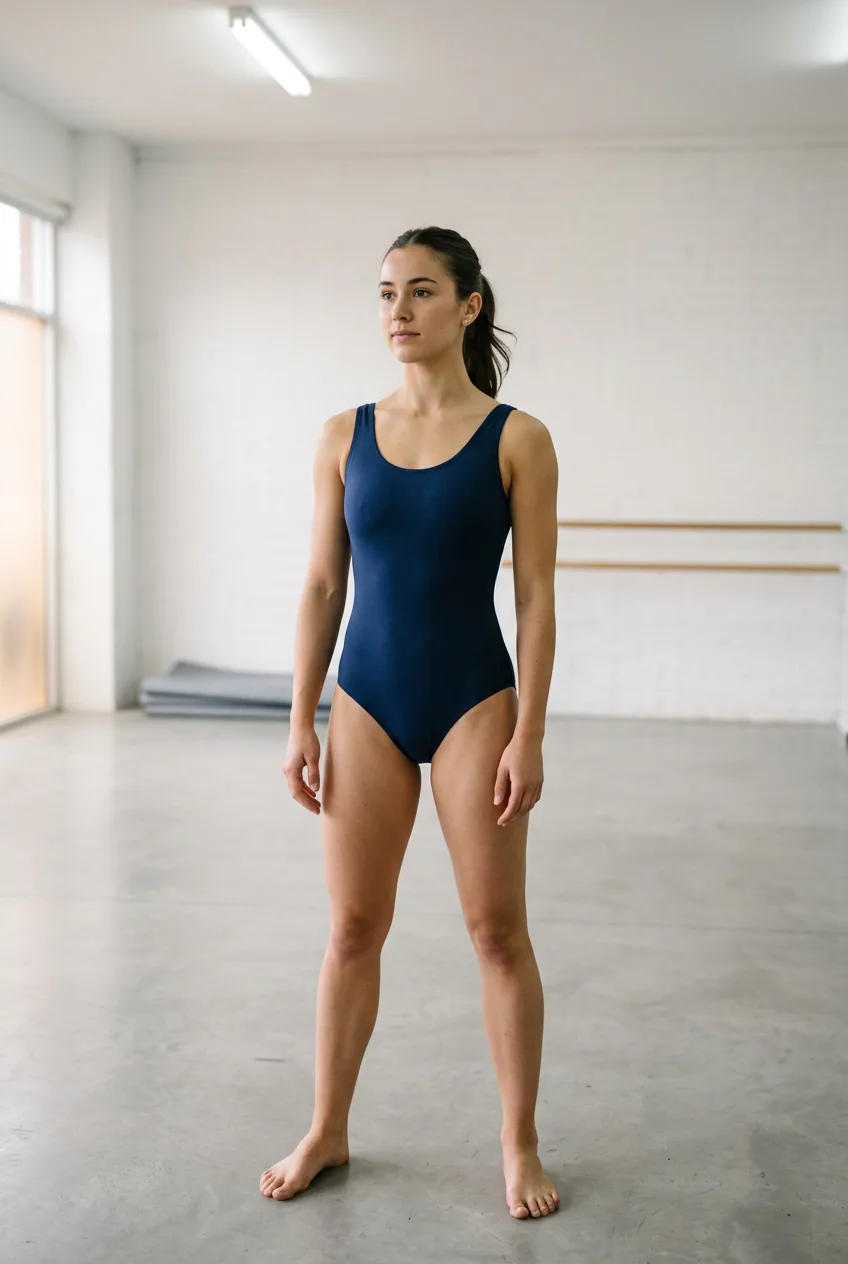
For years, my default gymnastics outfit was basically a uniform: plain scoop-neck leotard, usually in navy or black, with zero embellishment. Maybe a thin strappy back. Practical, yes. But honestly kind of boring in hindsight. I convinced myself that simplicity was the sophisticated choice — that anything with a pattern or cutout was “too much” for the gym or studio setting.
I also leaned heavily on the same brand over and over. One fabric, one cut, one vibe. It felt safe. And safety is fine until it starts feeling like a rut disguised as a preference. That’s exactly what happened here.
The other thing I always avoided? Anything with color blocking or contrast panels. I thought they looked overly performative — like you were trying too hard to have an aesthetic while training. I’ve since completely reversed that opinion, but more on that in a minute. I also used to browse ideas for stylish confident audition outfits and feel genuinely inspired, but never translated any of that energy into my actual gym wardrobe. There was this weird mental wall between “performance dressing” and “training dressing” that I finally stopped respecting.
When the Shift Started
The trigger was weirdly specific: I signed up for a rhythmic conditioning class in late 2025 that was a completely different crowd than I was used to. More expressive. Way more intentional about what they wore. I showed up in my usual plain black leo and immediately felt underdressed — not in a judgmental way, but in the way where you realize everyone else got a memo you missed.
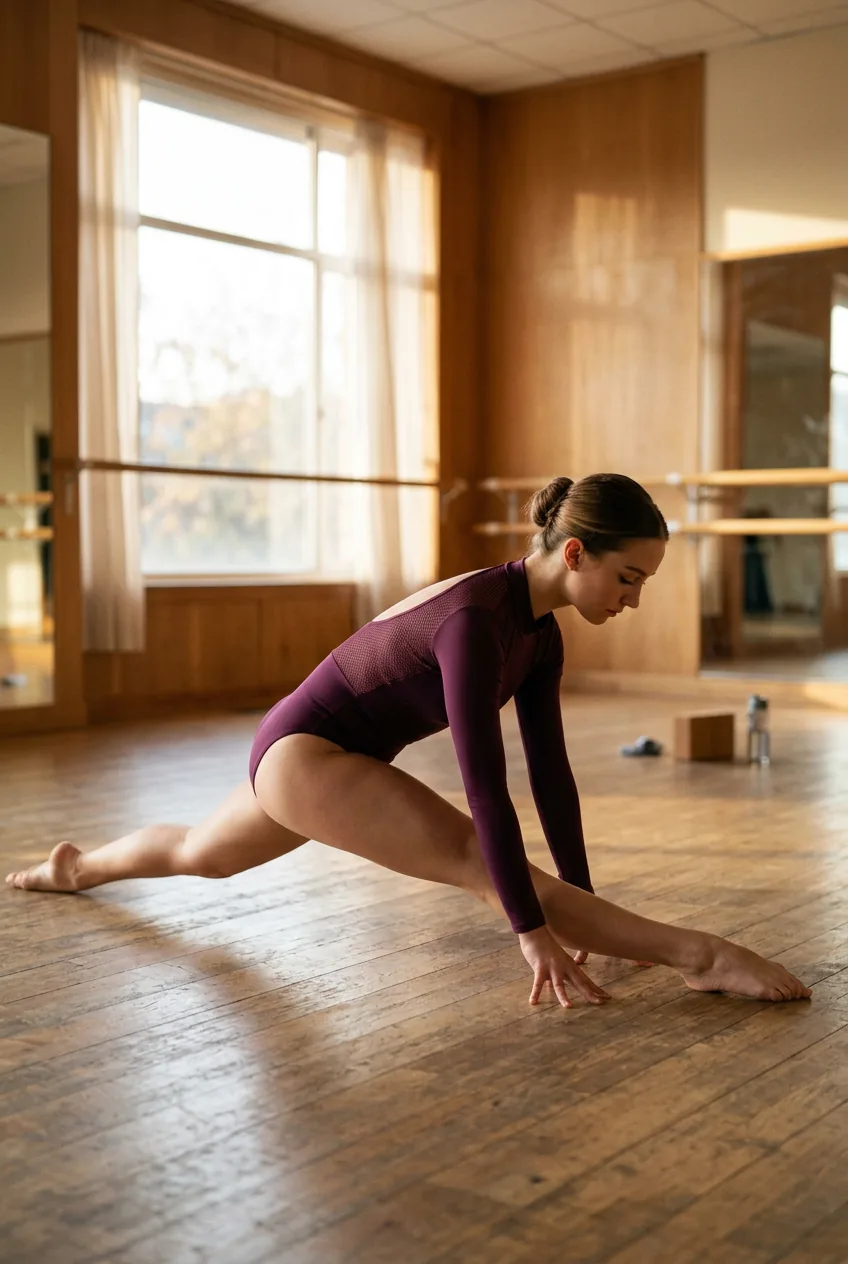
One of the women in that class had on a deep plum long-sleeve leotard with a mesh panel across the torso and these incredible iridescent accents on the sleeves. I could not stop noticing it. Not in a jealous way — more of a why have I never let myself want that way. That’s the moment I’d point to as the real trigger.
There was also a mood component. I’d been dressing pretty austerely in general — neutral everything, minimal accessories, very “I don’t want to be perceived” energy. The class cracked something open. I started paying attention to how clothing choice in movement-based activities actually affects your confidence during practice. Turns out it’s not superficial at all. The right gymnastics outfit genuinely changes how you carry yourself. I know that sounds a little woo-woo, but I’ve tested it enough times now to believe it.
I also started looking at references I’d previously dismissed — including inspiration from retro glamour outfits and even Western-influenced silhouettes. The idea of borrowing drama from other aesthetics and bringing it into activewear? That’s something I now find genuinely exciting. You can read about leotards styled as streetwear if you want to see where that crossover has gone in editorial fashion — it’s further along than most people realize.
What I’m Wearing Now Instead
Here’s where things got interesting. The swaps I made aren’t radical — it’s not like I went from athletic basics to full rhinestone competition wear. But they’re meaningful. Let me be specific:
- Long-sleeve leos with open or mesh backs — I used to avoid long sleeves because I thought they’d feel restrictive. They don’t. The right fabric moves beautifully and adds a visual elegance that bare-arm styles just can’t match at the same intensity.
- Rich jewel tones over neutrals — Emerald. Burgundy. That exact plum I spotted in class. I’ve retired the black-and-navy default. Not forever, but for now.
- Subtle texture and sheen — Not sequins-at-noon, but a fabric with a little light catch? Yes. It changes everything about how a movement looks, even in practice.
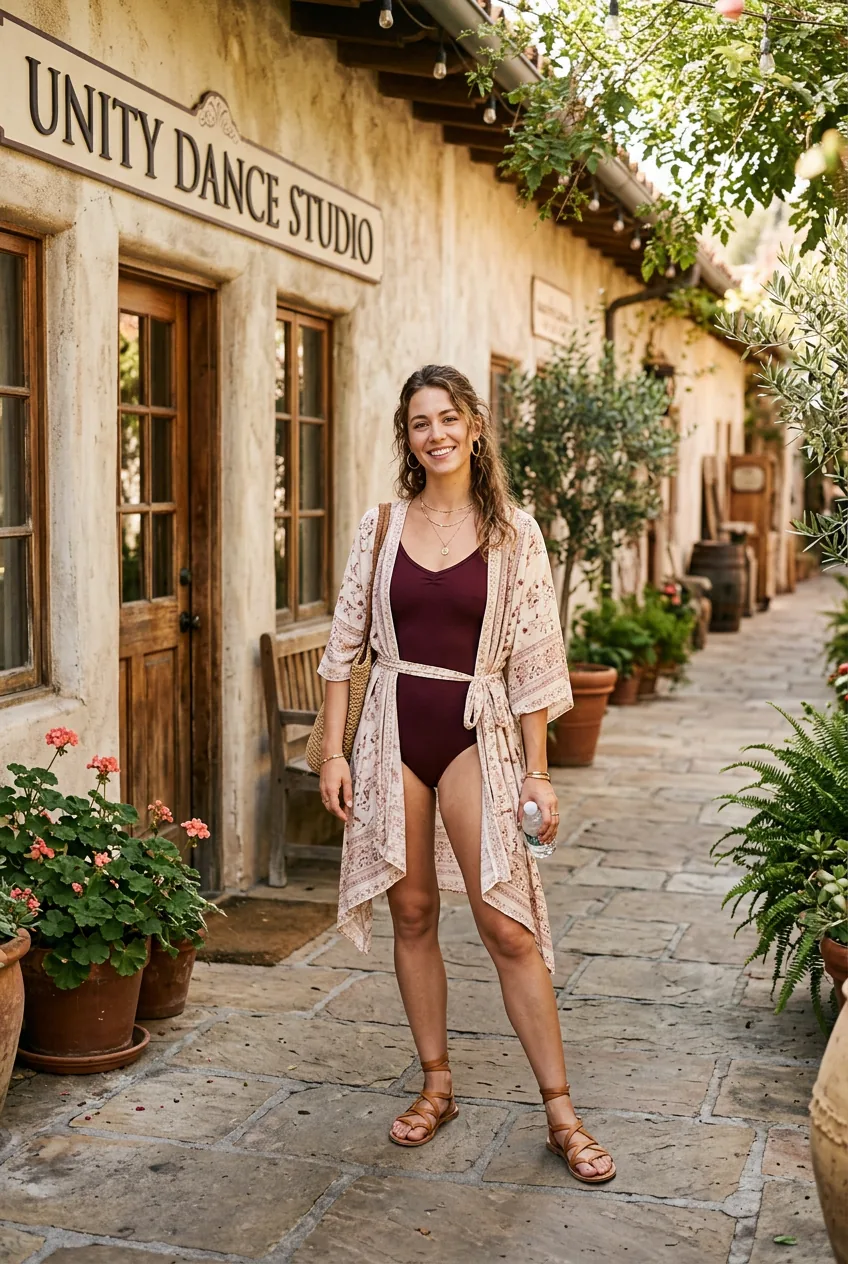
- A wrap layer I actually wear — A lightweight kimono-style cover piece that I throw on between conditioning sets. I saw a similar approach when I was looking at perfect casting audition outfits — that layered-but-polished thing translates perfectly into the studio.
- Higher-cut legs — I know this one’s polarizing, but a higher leg opening genuinely lengthens the line in a way that affects how I perceive my own movement. It’s visual feedback that matters during training.
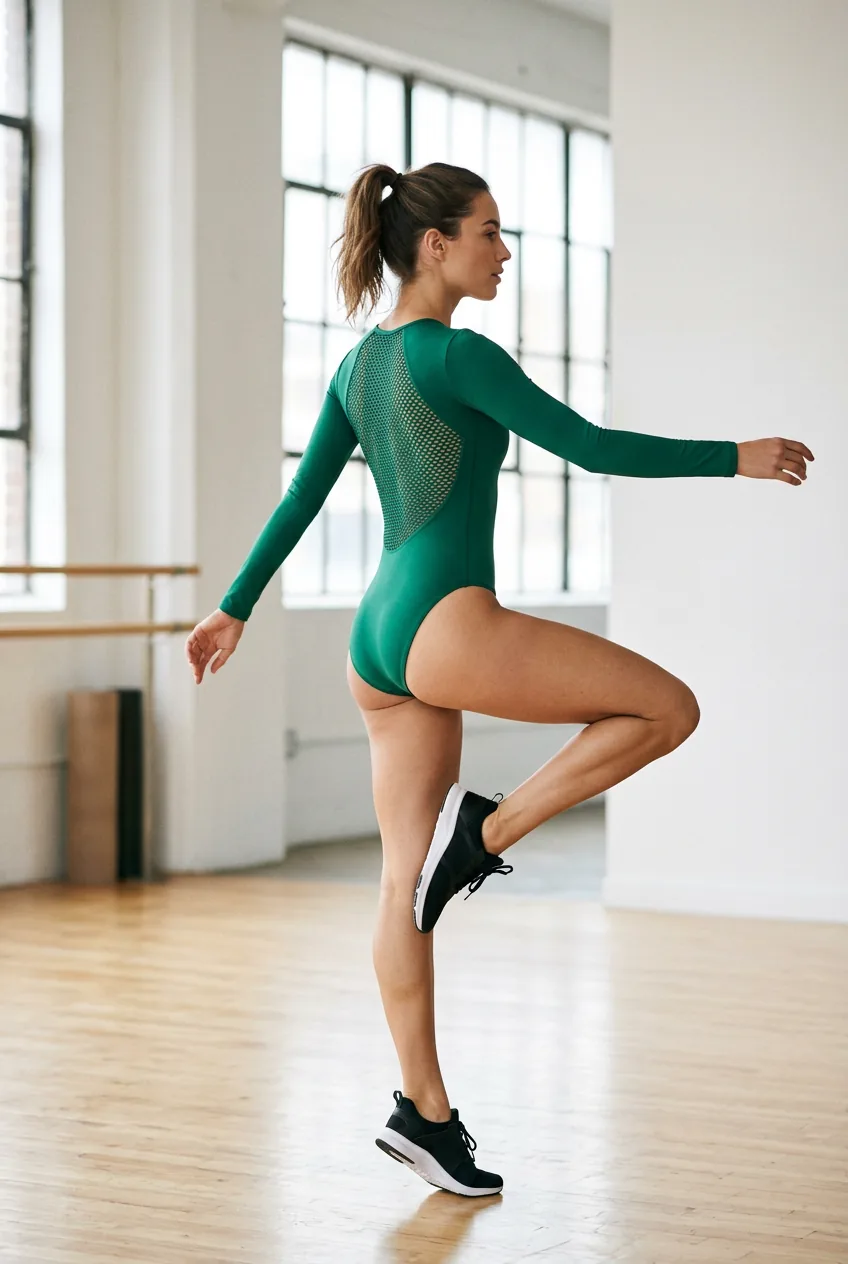
Look at how she’s wearing hers in this shot — that jewel-toned long-sleeve silhouette with the open back is exactly the direction I’ve been moving. See how the rich color reads against the skin without being distracting? That’s the balance I’m chasing. It’s eye-catching but not costume-y.
One thing that hasn’t changed: I still prioritize compression and freedom of movement above everything. A gorgeous gymnastics outfit that restricts your hip flexion is just an expensive mistake. I always check the fabric guide for gymnastics wear before committing to anything new, because the construction really does matter this much.
I’ll also say — and this is maybe my slightly controversial take — I think the idea that athletic wear should be invisible or self-erasing is actually holding a lot of women back from enjoying their training. Dressing with intention isn’t vanity. It’s agency. And the gymnastics and dance world specifically has a long history of treating beautiful clothing as part of the art form itself. There’s no reason your practice sessions have to be the aesthetic sacrifice.
Whether It’ll Stick
Honestly? I think most of it will. But I’m staying honest with myself about the parts that are still experimental.
The shift feels less like a trend I’m chasing and more like a preference I was always going to land on — I just needed the right nudge at the right moment.
The jewel tones are staying. I’ve worn them enough now to know they genuinely make me feel better during practice, which means I train with more confidence. That’s a real measurable outcome, not just aesthetics talk.
The higher-cut leg is still on probation. Some days I love it. Some days I feel exposed in a way that’s distracting. I haven’t fully resolved that one yet, and I think it’s worth being honest that not every shift clicks immediately or completely.
The wrap layer habit is something I wish I’d started years ago. It’s so practical — warmth between sets, coverage during stretching, and it genuinely makes the whole studio look feel more considered. I even found myself drawing from the kinds of layered, put-together references you see in fashion cowgirl outfits — that mix of function and deliberate style is something the activewear world is catching up to fast in 2026.
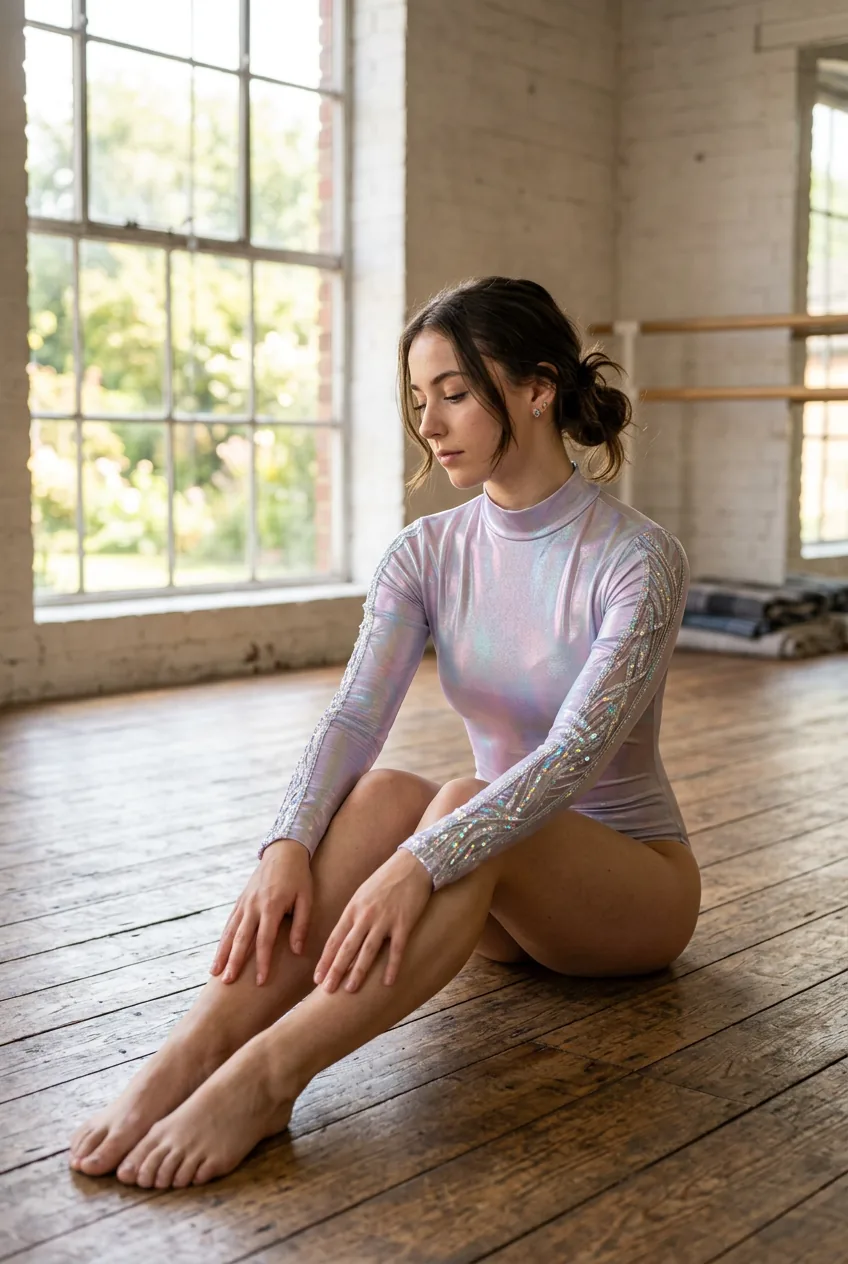
What I don’t think will stick: the iridescent sleeve trend. I tried it for about a month and it felt more like I was performing having a personality than actually expressing one. Sometimes the thing that inspires you doesn’t need to become the thing you wear. And that’s fine too.
Questions I Get About This
Is it worth spending more on a gymnastics outfit just for training?
In my experience, yes — with a caveat. You don’t need to go top-tier for every piece. But having one or two leos that genuinely make you feel great changes the quality of your practice sessions in a way that’s hard to quantify but very real. I treat it like investing in a good pair of training shoes. The psychological payoff is part of the functional benefit.
How do I find gymnastics outfit styles that are both functional and aesthetic?
Start with fabric first — you need four-way stretch and solid compression. Then look at construction details like flatlock seams and gussets. Once you know the garment will perform, then you get to have fun with color and silhouette. Reversing that order is how people end up with beautiful leos that fall apart or restrict movement. Also, checking what’s trending in competition wear is a great leading indicator of what’ll hit mainstream training styles in about 6–12 months.
Can I wear a gymnastics-inspired leotard outside the studio?
Absolutely — this is one of the bigger trend stories of 2026. Leotards styled under wide-leg trousers or denim skirts, worn with a blazer or a structured bag, are having a serious moment. The crossover between performance wear and everyday dressing has never been as fluid as it is right now. You can find useful outfit ideas for wearing leotards as tops to get a feel for how people are making it work outside the gym.
Do competition-style leotards work for recreational training?
They can, but they’re often more delicate. Competition leos tend to use finer fabrics and embellishments that don’t always hold up to heavy repeated use. If you love the look but train frequently, consider mid-range leos that borrow the aesthetic of competition styles without the fragility. Save the truly precious pieces for performance or showcases where they’ll be appreciated.
If you’re somewhere in the middle of your own shift — not quite done with your old defaults but feeling the pull toward something new — I’d say trust that feeling. The gymnastics outfit you’ve been wearing for years might be perfectly fine. But fine isn’t always enough. And you’re allowed to want more from what you train in.