








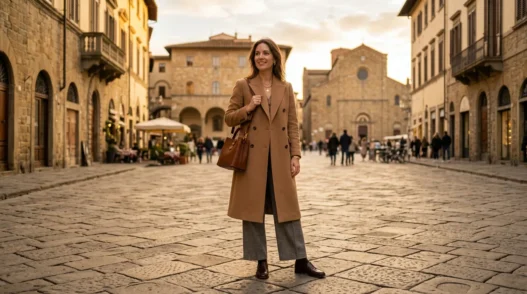
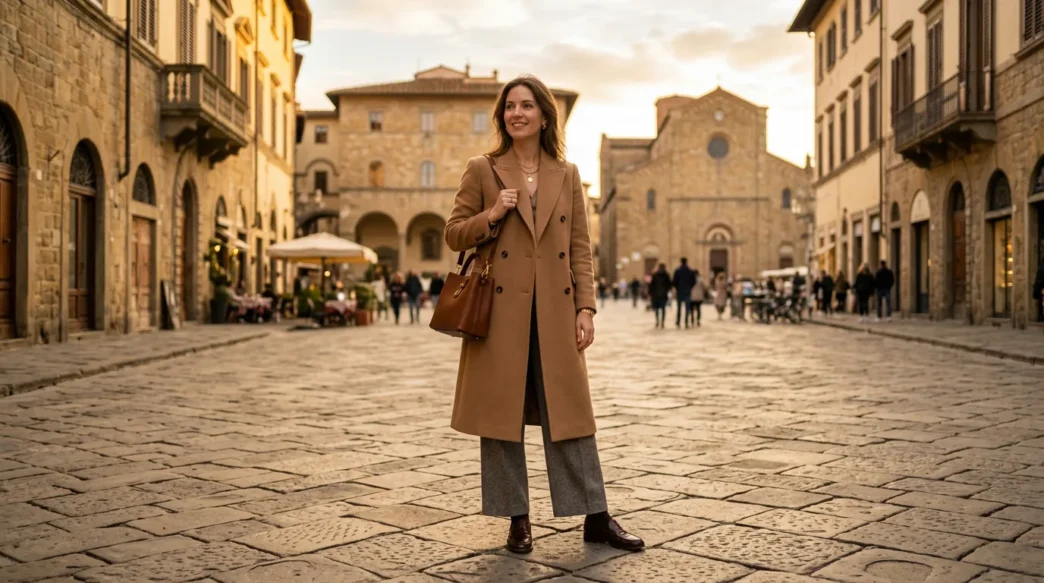
I used to buy three cheap sweaters a season and wonder why my drawers were full but I never had anything to wear. Then I spent what felt like an embarrassing amount on a single cashmere crewneck, wore it approximately forty-seven times that winter alone, and started doing the math. That’s when old money outfits stopped feeling like an aesthetic and started feeling like the only rational approach to getting dressed. There’s a reason certain women look effortlessly put-together decade after decade — they stopped chasing trends and started investing in the pieces that simply don’t age.
What We’re Investing In
- The Cashmere Crewneck You’ll Never Replace
- The Coat You’ll Own in Ten Years
- The Tailored Trouser Worth the Hem Alterations
- The Leather Loafer That Only Gets Better
- The Silk Blouse That Earns Its Dry-Cleaning Bill
- The Bag That’s Already Paid for Itself
- The Wool Midi Skirt for Every Decade
- The Linen Blazer Worth the Wait
- The Ballet Flat With a Real Sole
- The Striped Marinière That Never Goes Anywhere
1. The Cashmere Crewneck You’ll Never Replace
A Scottish-milled cashmere crewneck in camel, ivory, or navy runs roughly £180–£280. Worn three times a week through a five-month autumn-to-winter season, that’s around 60 wears per year. Over ten years — with proper hand-washing and a cashmere comb to de-pill — you’re looking at 600 wears. That works out to about 30p per wear. I defy anyone to find a fast-fashion alternative that survives 600 laundry cycles.
The trick is to buy Grade A two-ply at minimum. Anything thinner will pill aggressively within a season. Look for Mongolian or Scottish cashmere with a tight knit — hold it up to the light and if you can see your hand clearly through it, put it back down. This piece anchors the whole old money wardrobe because it layers under blazers, ties into trousers, and looks just as right over a slip skirt. It does everything.
2. The Coat You’ll Own in Ten Years
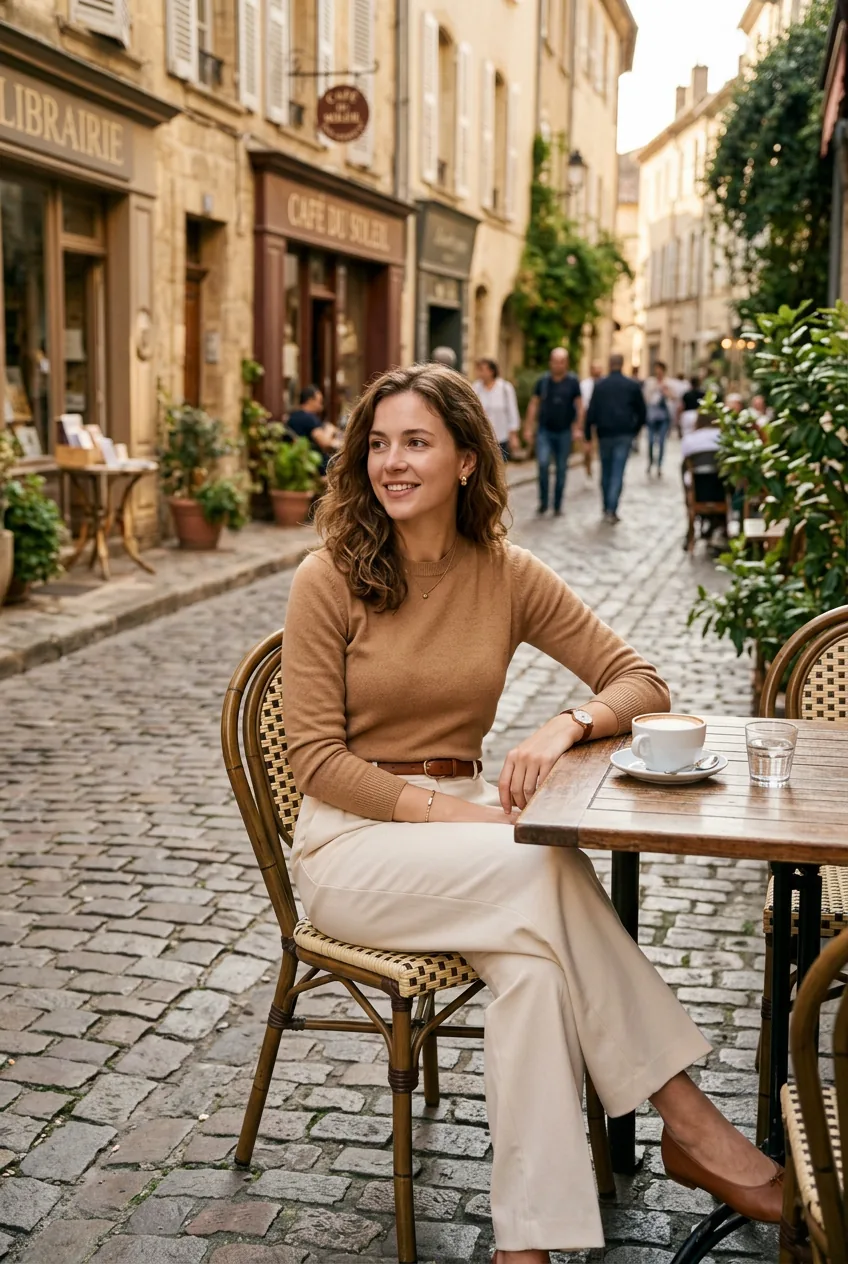
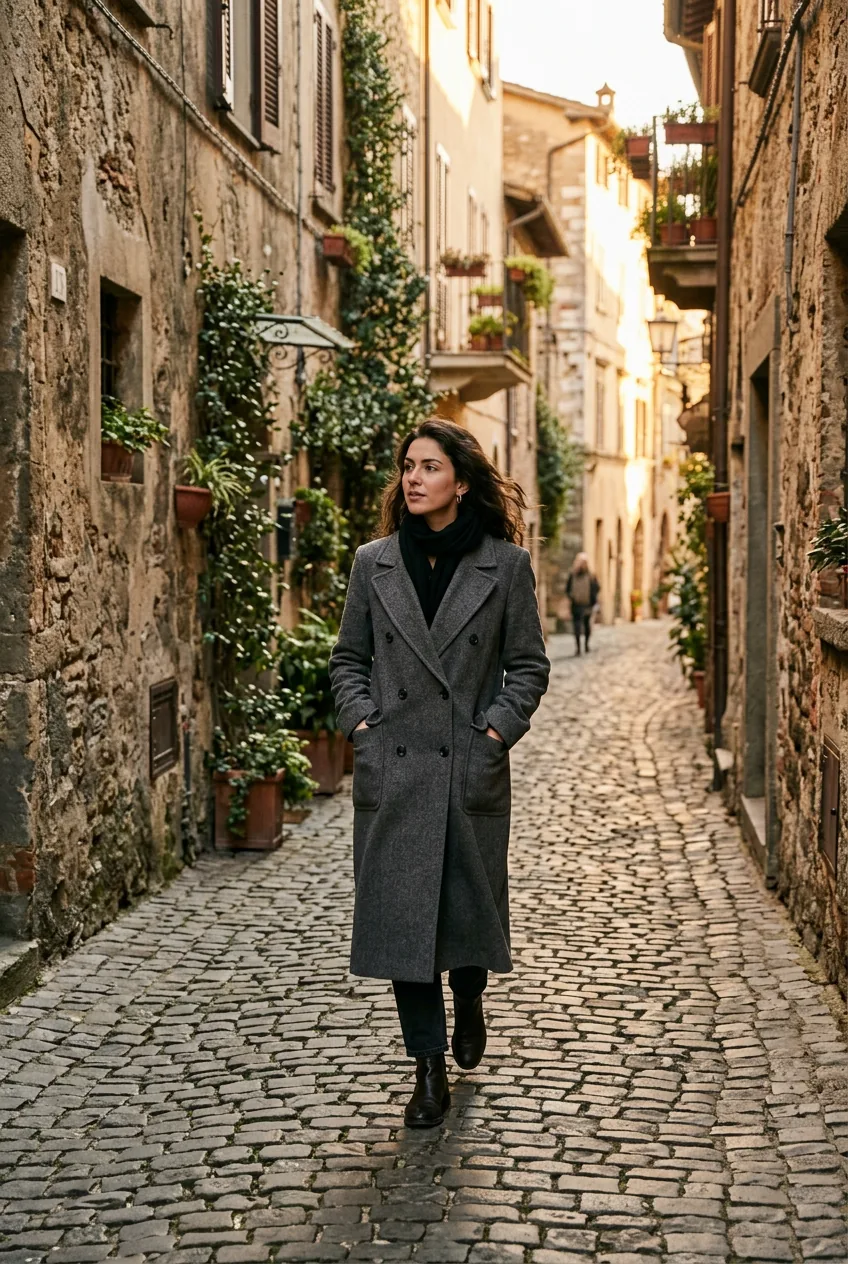
Not a trendy belted puffer. Not a vinyl trench in an accent color. I mean a double-breasted wool overcoat in camel, charcoal, or deep navy — the kind that looks exactly as relevant in the photo albums of the 1960s as it does on a woman walking through a European city this morning.
Budget £350–£600 for a quality one. That sounds steep until you realise a fast-fashion coat often starts falling apart at the seams by February. A proper wool coat — 80% wool or higher, fully lined, with bound buttonholes — will last decades with annual professional cleaning. I’ve seen women inherit these from their mothers. Think about cost-per-wear over a literal generation.
Look at her in the photo below — the coat falls clean from shoulder to knee, no pulling, no buckling at the buttons. That’s what a proper structure does. It’s worth reading up on wool coat construction before you commit to a specific cut, because the seams and interfacing tell you everything about longevity.
How a Stylist Thinks About Cost-Per-Wear
3. The Tailored Trouser Worth the Hem Alterations
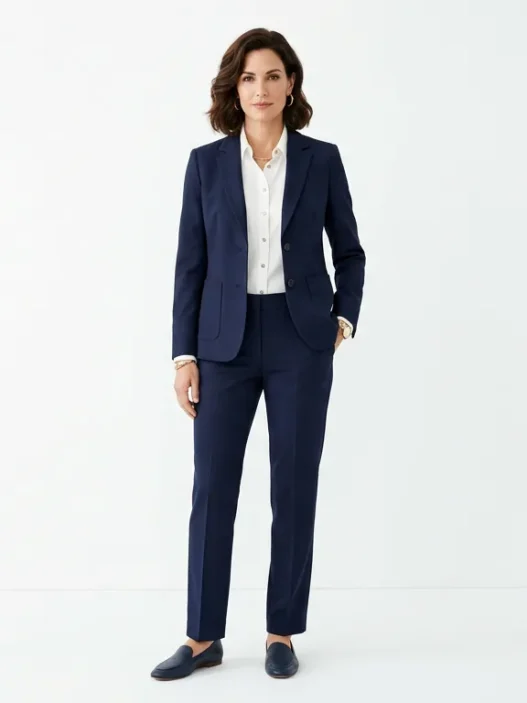
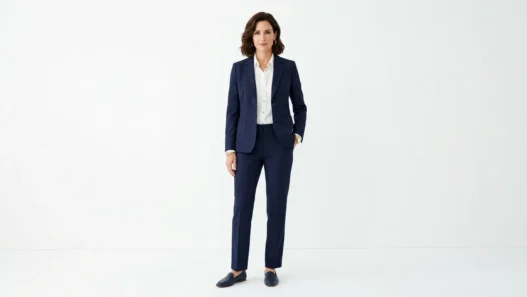
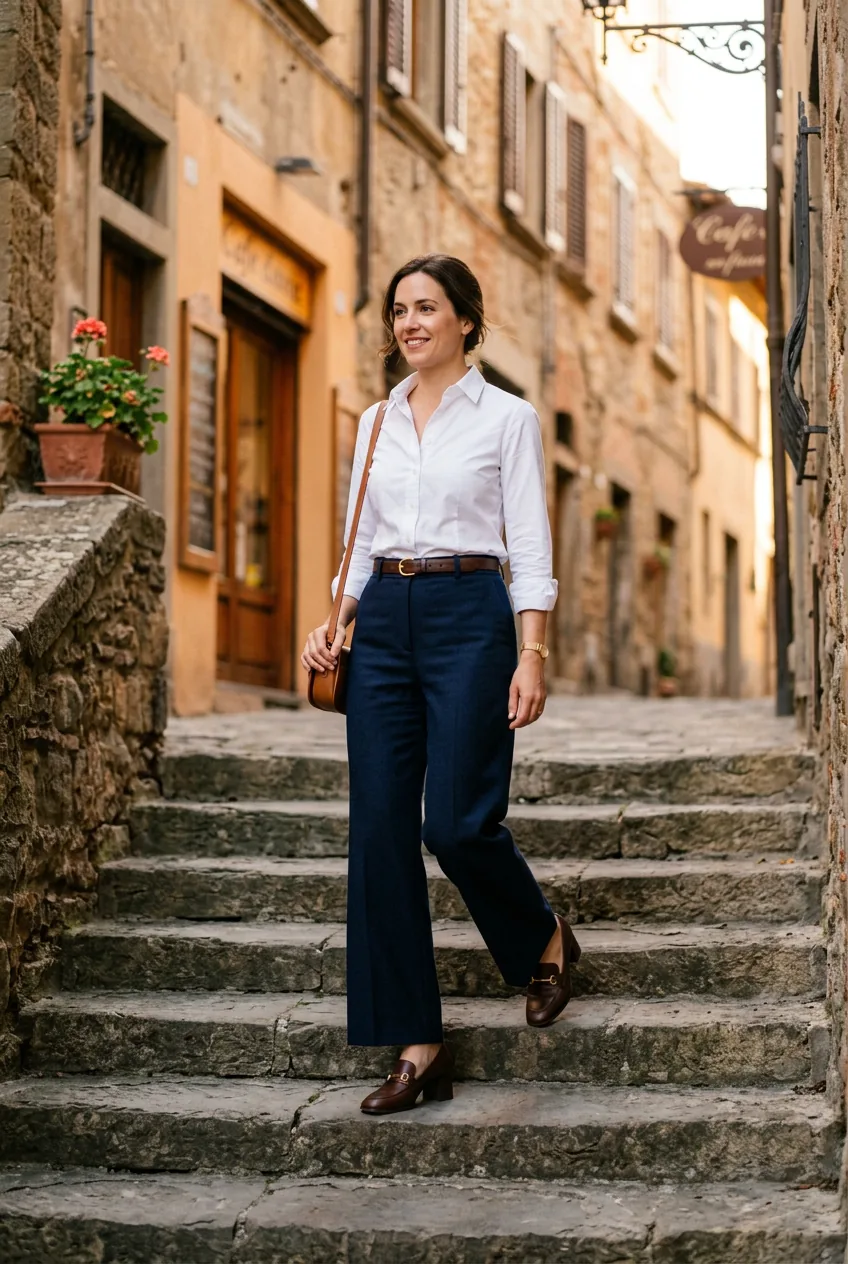
Here’s a piece of advice I wish someone had given me ten years ago: always budget an extra £20–£30 for tailoring when you buy trousers. Off-the-rack trousers are cut for a generic inseam. Your legs are not generic. A beautifully cut wool-blend wide-leg trouser that breaks perfectly at the ankle — or sits just so on the top of a heel — is an entirely different garment from the same trouser hitting at an awkward mid-calf.
Spend £150–£250 on the trouser itself. Add the tailor’s fee. You now have a piece that fits your body so well it looks bespoke. Pair it with the cashmere crewneck tucked in, and you have one of the cleanest classy summer outfits or autumn looks depending on the fabric weight. I wear my grey flannel wide-legs at least twice a week from September through March. The cost-per-wear is practically negligible at this point.
4. The Leather Loafer That Only Gets Better
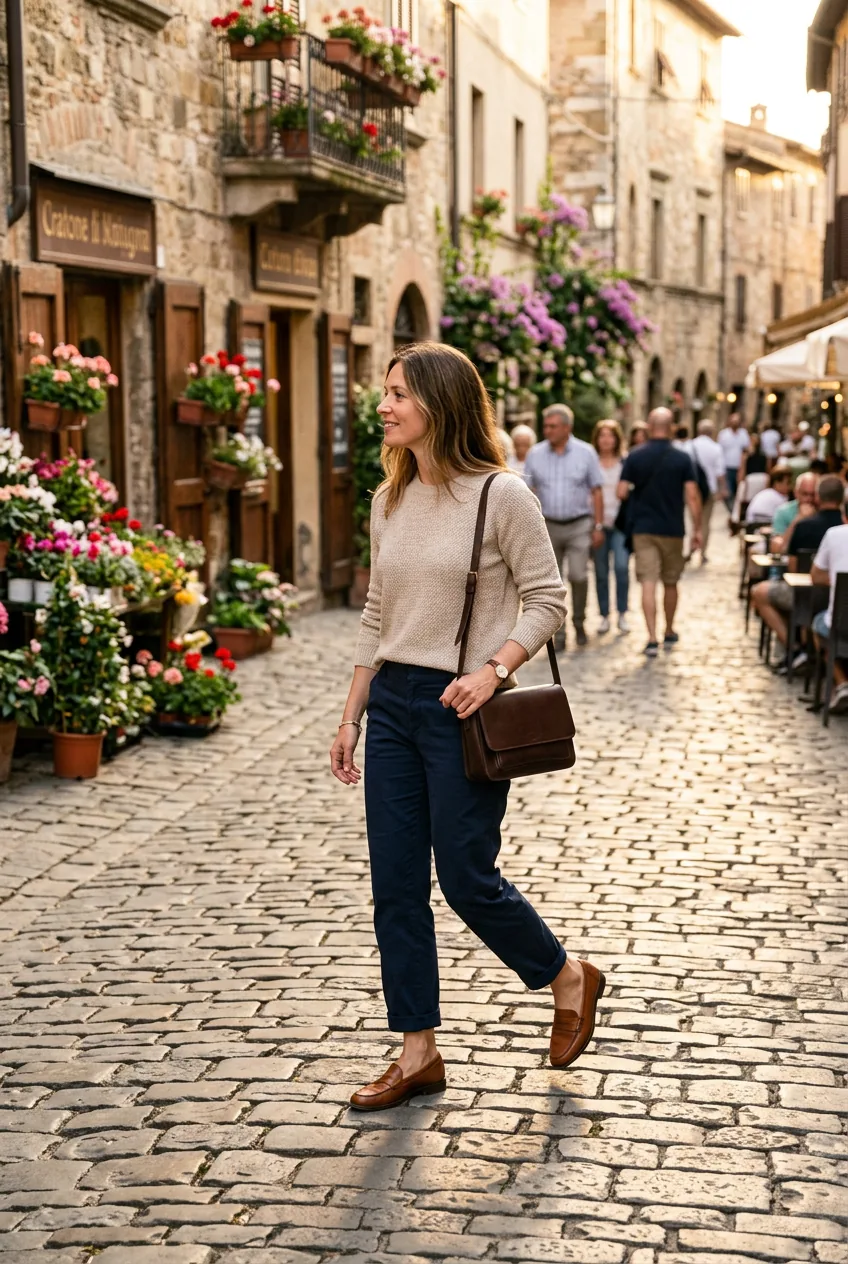
Genuine leather shoes patina. That’s not a flaw — it’s the whole point. A quality leather loafer from a heritage shoemaker (think Church’s, Paraboot, or similar) costs £250–£400. They also come with replaceable soles, which is a detail that matters enormously. Resoling costs £40–£60. You can do it three or four times before the upper even looks tired.
So the math: £300 shoe, resoled four times over fifteen years, total spend £460. That’s £30 per year. Per year! For shoes that look better at year five than they did at year one because the leather has developed character. Compare that to £60 faux-leather loafers that crack at the toe box by month eight.
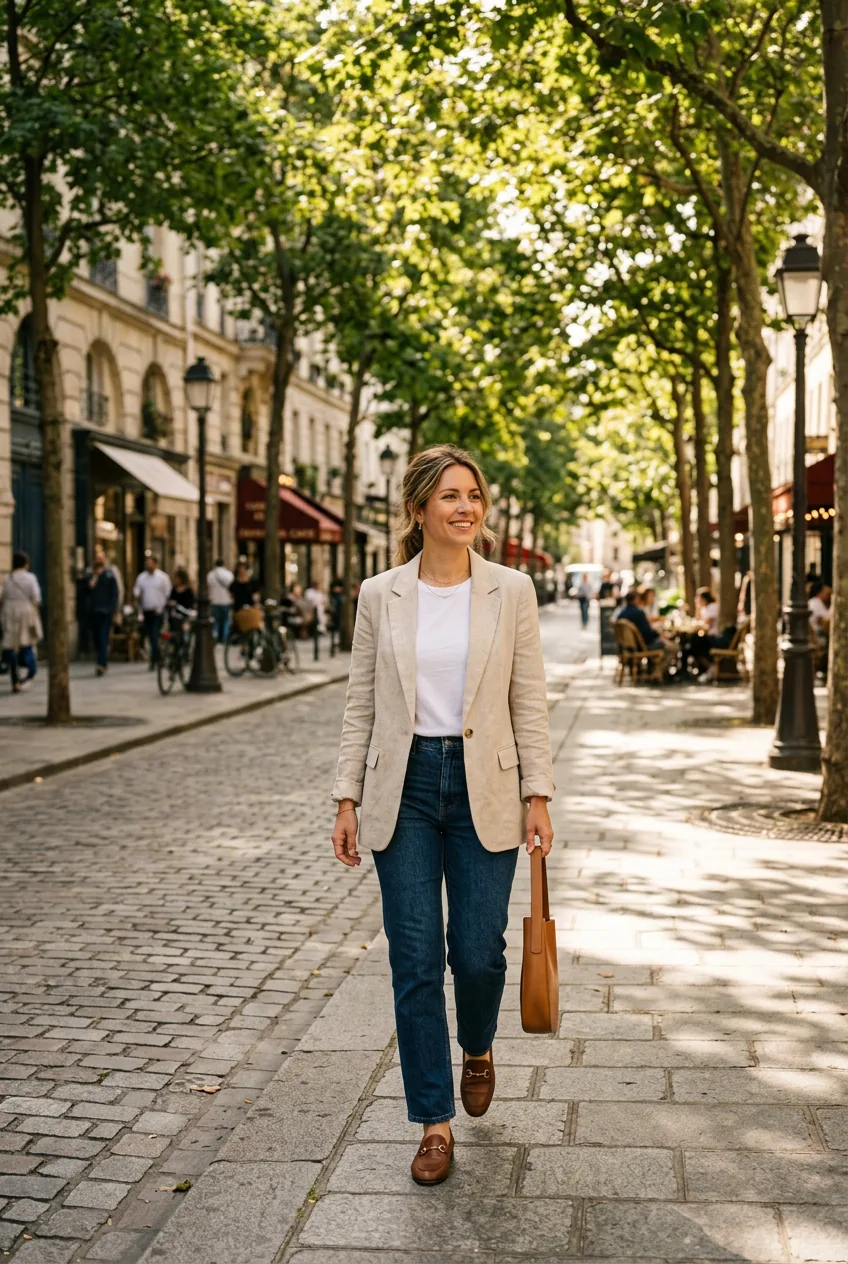
She’s wearing hers in the photo with turn-up trousers and a thin crew — notice how the shoe makes the whole look feel grounded and finished rather than thrown together. That’s leather doing its thing.
5. The Silk Blouse That Earns Its Dry-Cleaning Bill
Controversial opinion: hand-washable silk exists and it’s not as terrifying as people think. A good silk blouse — charmeuse or habotai weave, at least 16mm — runs £100–£200. Yes, you’ll dry-clean it four or five times a year. But you’ll also wear it twelve months a year: under a blazer in winter, tucked into linen trousers in summer, belted as a dress on a warm evening.
The old money aesthetic owes a great deal to the way silk moves and catches light — there’s a reason you’ll find echoes of it in old Hollywood fashion secrets. Those women understood that fabric quality reads from across a room. A £30 polyester blouse, however beautifully cut, looks like what it is the moment you step under actual lighting.
Stick to ivory, cream, pale blue, or white. These are the colours that pair with absolutely everything else on this list and feel utterly timeless in 2026 and in every decade before it.
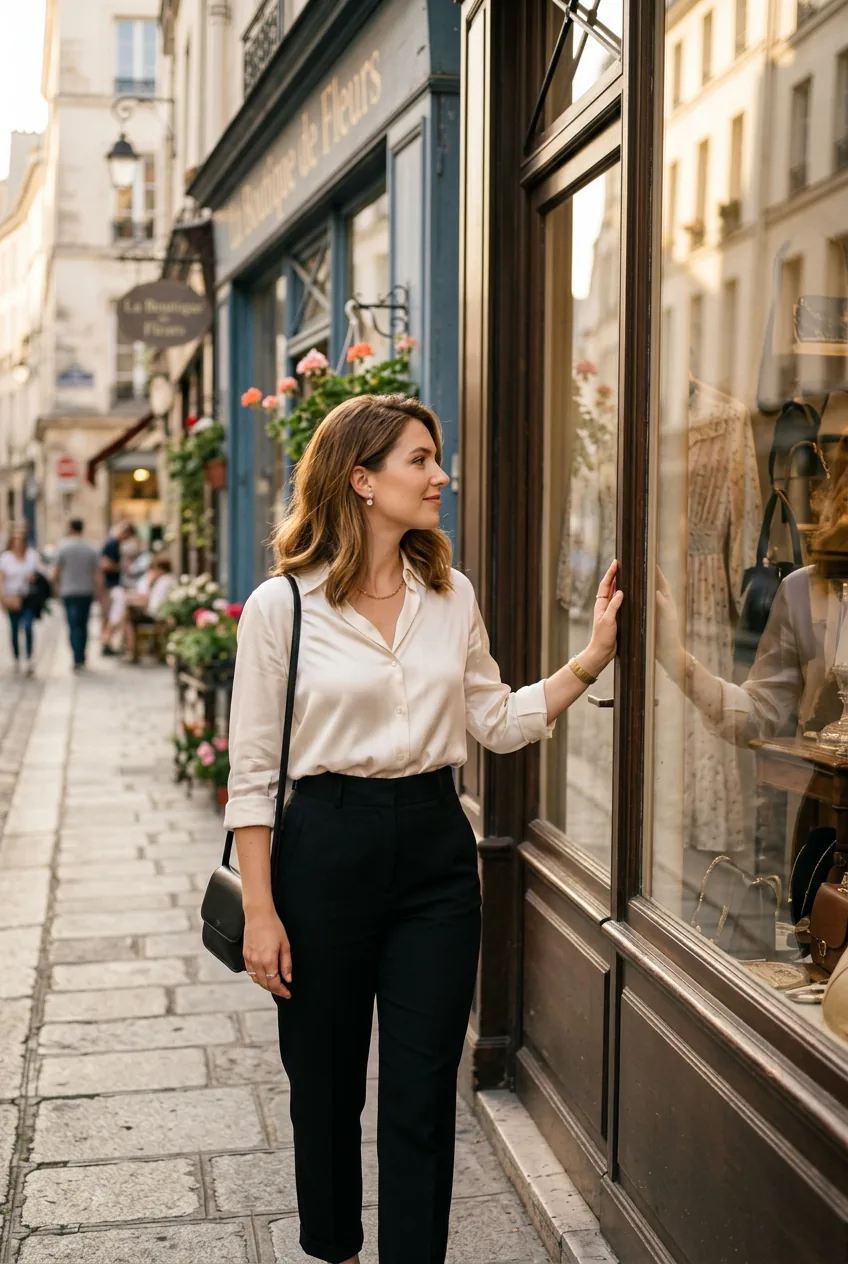
My personal pick for the single most transformative investment: the silk blouse. More than any other piece, it’s the one that consistently makes people ask “where are you going?” when the answer is “literally just the grocery store.” That’s when you know a garment is earning its keep.
6. The Bag That’s Already Paid for Itself
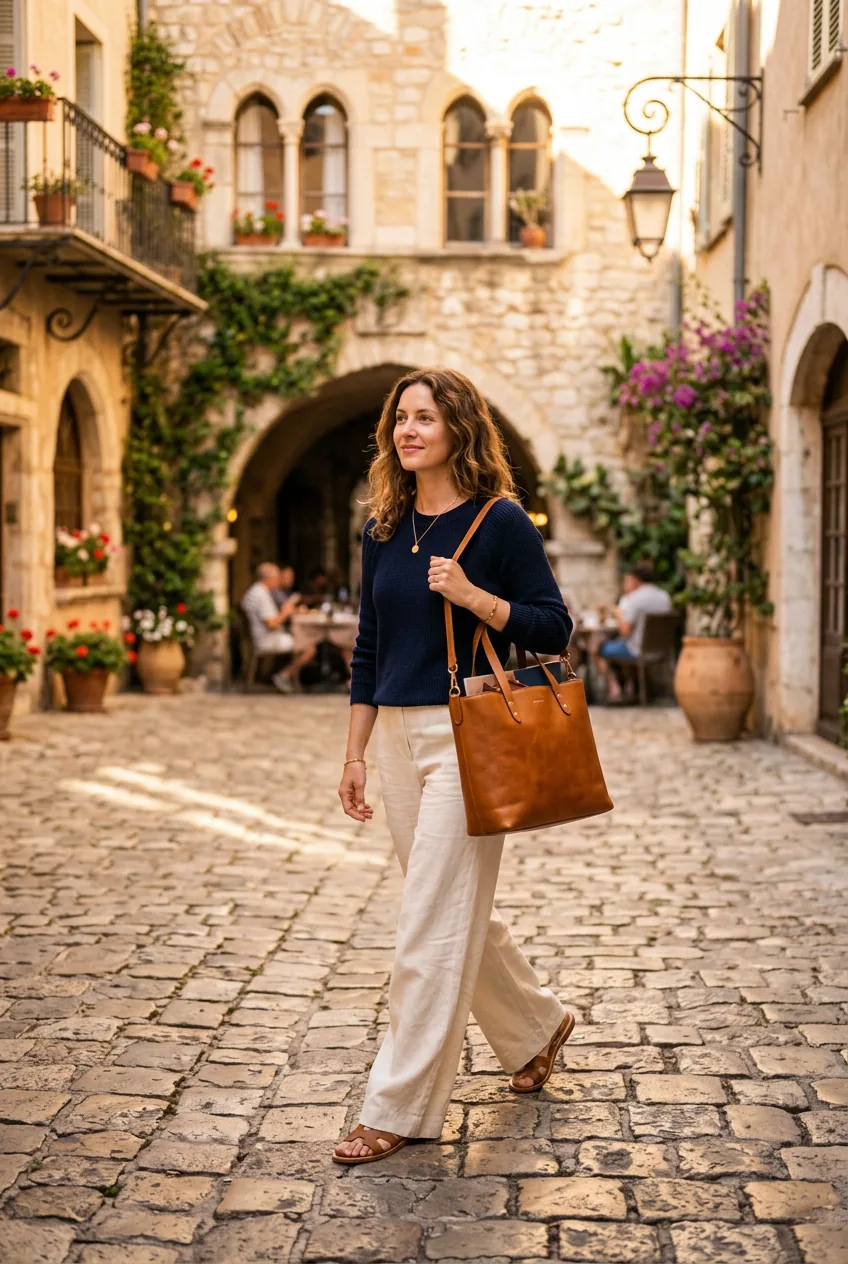
The conversation about investment bags always spirals into luxury house logos, but I want to reframe it slightly. The old money aesthetic is actually less about logos and more about leather quality, hardware finish, and structural integrity. A well-made leather tote or structured shoulder bag from a mid-tier heritage brand — £300–£500 — will outlast three rounds of trendy £80 bags without blinking.
What to look for: full-grain leather (not bonded, not top-grain), brass or gold hardware that’s actually plated metal rather than painted plastic, and stitching that goes through the leather rather than sitting on top of it. Those details separate a bag that lasts two years from one that lasts twenty.
Used daily for ten years at £400, that’s £40 per year. £3.30 per month. Less than a coffee. I rest my case.
7. The Wool Midi Skirt for Every Decade
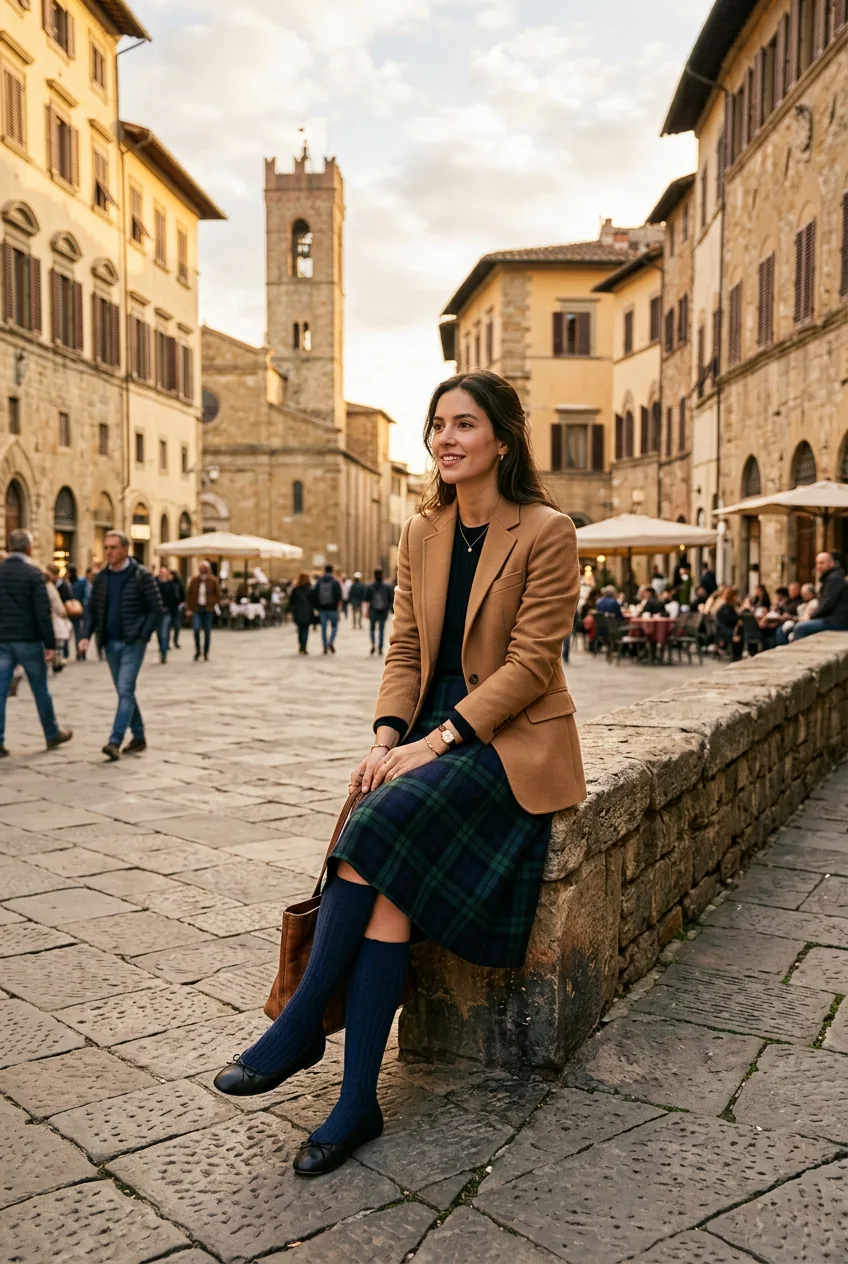
A wool midi skirt in a classic plaid or solid — A-line or straight — is one of those pieces that looks exactly right in any decade’s fashion photography. It’s not trendy. It’s just correct. And that’s precisely the point of building a wardrobe this way.
Spend £120–£200 on one in a wool-rich blend. It layers over thick tights in winter, sits beautifully with a tucked silk blouse in early autumn, and can pull double duty as the kind of elevated piece you’d reach for at a garden party or even something adjacent to vintage tea party outfits when styled with the right accessories. The versatility is where the value really compounds.
She’s pairing hers with knee socks and a blazer in the photo — that’s the move I keep coming back to. Simple, considered, absolutely no trend dependence whatsoever.
8. The Linen Blazer Worth the Wait
A good linen blazer is genuinely difficult to find, which is why it’s worth waiting for rather than buying whatever is available. Linen quality varies enormously — cheap linen goes limp and creased in a way that reads “I slept in this,” whereas high-quality Irish or Italian linen develops a beautiful lived-in quality that actually improves with age.
Budget £180–£300 and look for a relaxed-structured fit that can go unlined or lightly lined for breathability. The beauty of linen as an investment fabric is that it gets softer and better with every wash. I have one in oatmeal that I bought four years ago and it honestly looks better now than it did new.
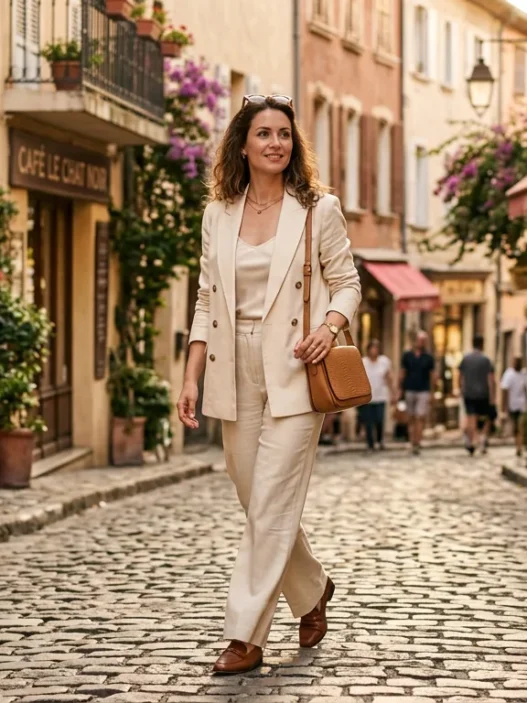
This is the blazer that bridges the season gap — too heavy for a July heatwave, but absolutely perfect for those in-between months when a wool blazer is suffocating. Linen blazer styling is worth a read if you want to stretch the wearable window even further.
9. The Ballet Flat With a Real Sole
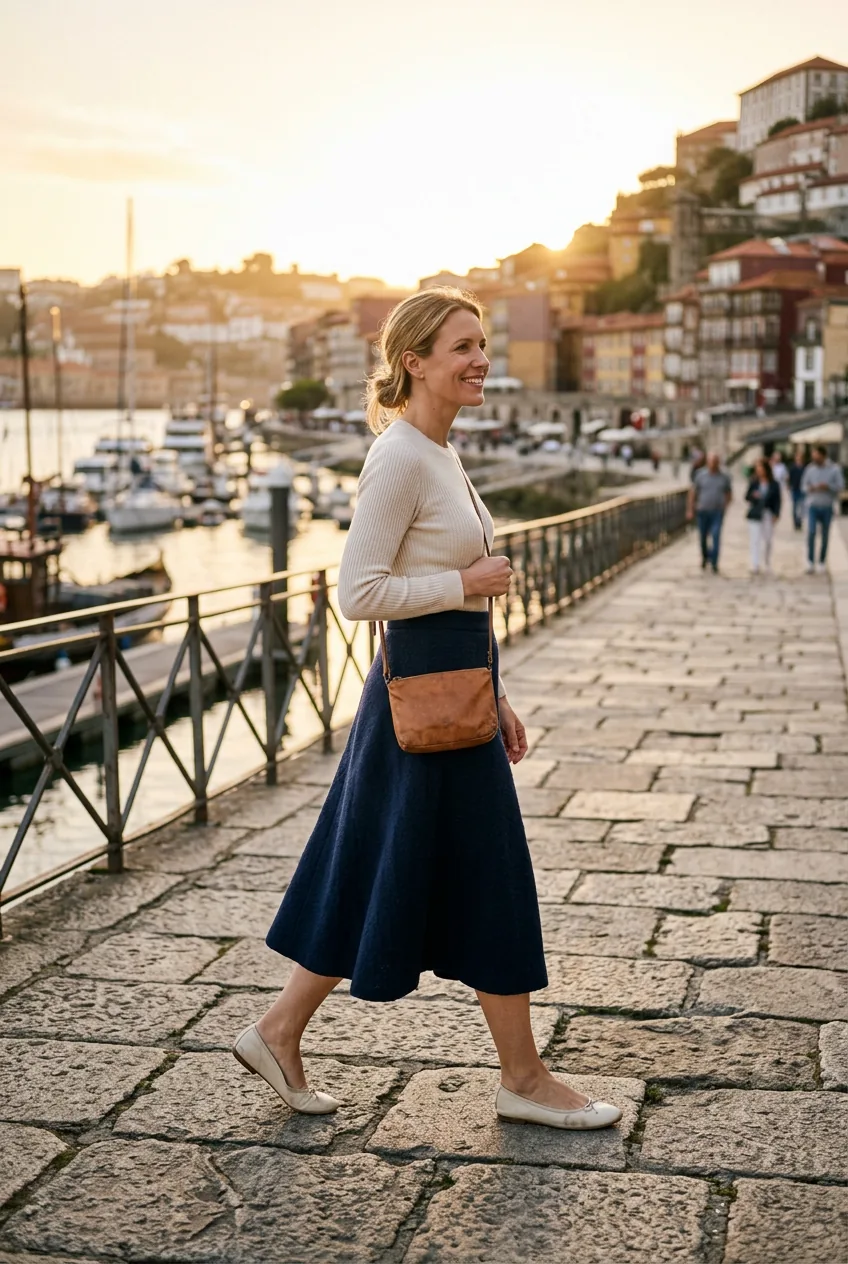
The ballet flat revival has been going strong, and I have complicated feelings about most of what’s available. Most of them are not actually designed to be worn as shoes — they’re designed to look like shoes on a shelf. The sole is paper-thin, the leather is tissue-thin, and they’re destroyed after one wet afternoon.
A ballet flat worth buying has a leather or suede upper, a structured toe box, some form of grip on the sole, and ideally a small internal cushion. Brands that get this right tend to charge £150–£250. That’s not cheap for a flat shoe, but compare it to replacing £45 pairs every three months.
Look at her pairing them with the midi skirt and knit — the whole outfit has that effortless quality that makes the retro glamour outfits reference feel current rather than costume-y. The flat shoe keeps it grounded and modern.
10. The Striped Marinière That Never Goes Anywhere
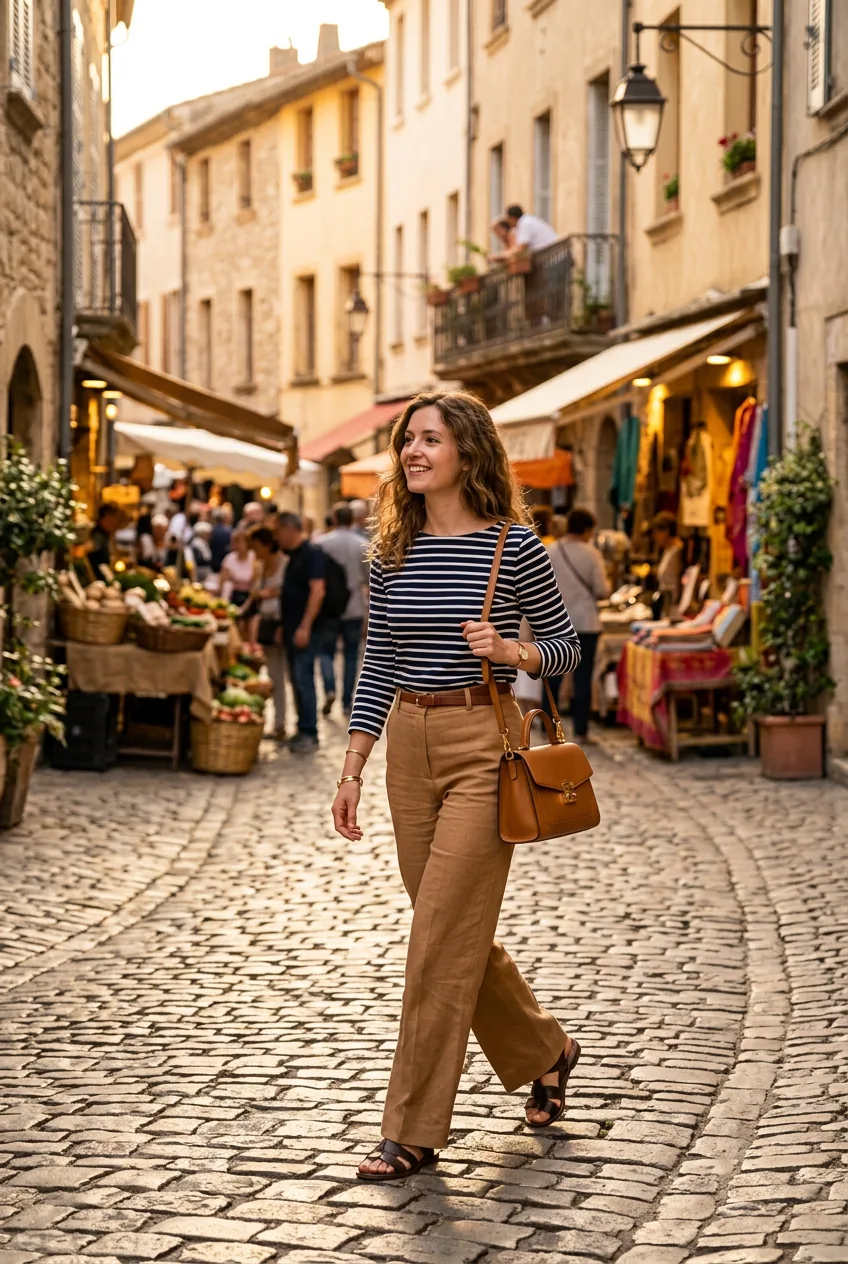
The Breton stripe top is arguably the most quietly old money item on this entire list, because it’s been consistently elegant since the 1850s. Not trendy for a season — worn by women of impeccable taste for over 170 years. That’s the kind of longevity no trend report can manufacture.
The original is the Armor Lux or Saint James marinière — navy and white, heavyweight cotton, slightly boxy fit. These cost £60–£95, which makes them the most accessible investment on this list. They wash endlessly without losing shape, layer under everything, and carry an association with old Hollywood outfits and French Riviera style that simply never fades.
Wear it with the tailored trouser. Wear it with the midi skirt. Wear it under the wool coat. It fits into every combination on this list and costs less than a single dry-cleaning session for the silk blouse. Genuinely one of the best cost-per-wear garments in existence — I’ve done the math and I cannot find a flaw in the argument.
Questions I Get About Building This Wardrobe
Do I need to buy everything at once?
Absolutely not, and honestly that would defeat the point. The idea is to replace fast-fashion pieces gradually, one quality item at a time. I’d start with whichever gap in your wardrobe causes the most daily frustration — for most people that’s either a coat or a knit — and build from there over a year or two.
Can I find these pieces secondhand?
Yes, and secondhand is actually one of the smartest ways to approach the investment bag and the wool coat in particular. Because quality pieces last so long, the secondhand market is full of genuinely excellent condition items. Check consignment shops, Vestiaire Collective, and local estate sales — you can often find pieces that have already proven their longevity, which is its own kind of quality guarantee.
Is this aesthetic only for certain body types?
Not even slightly. The tailored trouser hemmed properly, the midi skirt in the right length, the blazer structured to your shoulders — all of these pieces are specifically better when tailored, which means they can be adjusted to work for any body. The investment mindset actually encourages you to tailor things to your specific frame rather than accepting off-the-rack as final.
How do I know if a fabric is actually high quality?
The hand-feel test is your first filter — quality fabric has weight and texture rather than feeling slippery or papery. For knits, look for tightly-constructed stitches and check the composition label (aim for natural fibres or high-percentage blends). For wovens, hold the fabric up to light and look for tight, even weave structure. And always check fabric quality indicators when you’re shopping for something significant — it takes thirty seconds and saves a lot of expensive mistakes.
The whole point of old money outfits isn’t wealth — it’s wisdom. It’s understanding that buying less and buying better is genuinely cheaper in the long run, and considerably less exhausting than chasing whatever just arrived in a poly bag. These ten pieces aren’t a complete wardrobe, but they’re the backbone of one that will still be working hard for you in ten years. Start with one. See how it feels. I’m almost certain you’ll become insufferably evangelical about cost-per-wear within the year — I know I did.