









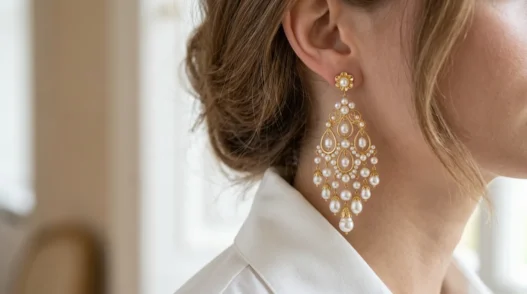
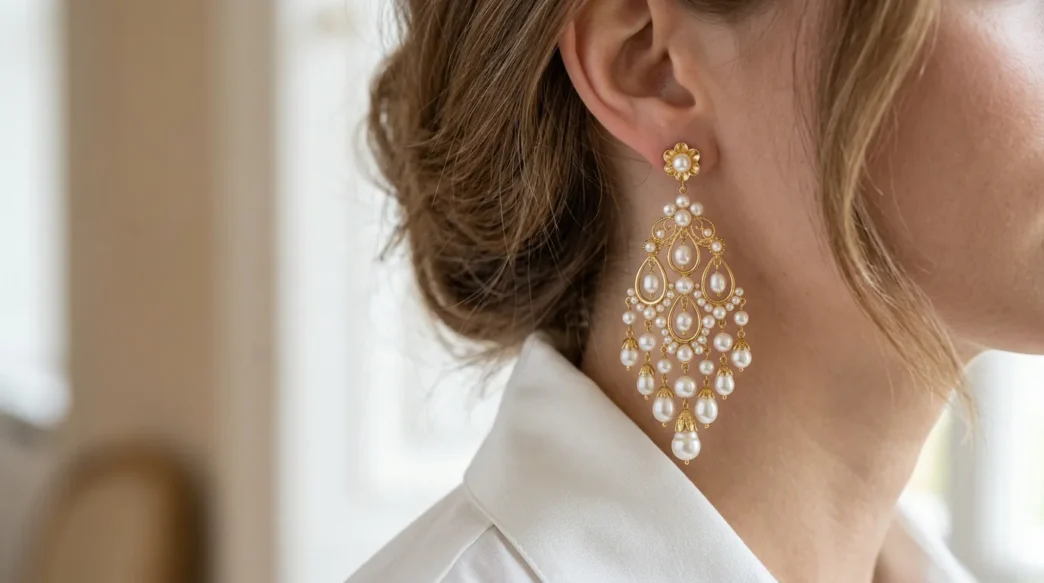
I used to buy gorgeous statement earrings and then panic about what to wear them with. They’d sit in my jewelry box looking beautiful but never making it onto my ears because I couldn’t figure out how to style the rest of my look. Then I realized I was doing it backwards — the earrings should lead, not follow.
What You’ll Need
Before we start, gather these basics:
- Your statement earrings (the stars of the show)
- A few tops with different necklines
- Your regular jewelry collection for comparison
- A mirror with good lighting
- Hair ties or clips to test different hairstyles
Step 1: Picking Your Lead Earrings
Not every pair of earrings wants to lead an outfit. The ones that do have a few things in common — they’re substantial enough to be noticed from a few feet away, they have interesting details worth showcasing, and honestly? They make you feel a little fancy when you put them on.
I look for earrings with either bold color, interesting texture, or dramatic shape. My favorite statement makers are chandelier styles with movement, geometric designs with clean lines, or anything with stones that catch light beautifully. The key is choosing something that feels intentional, not accidental.
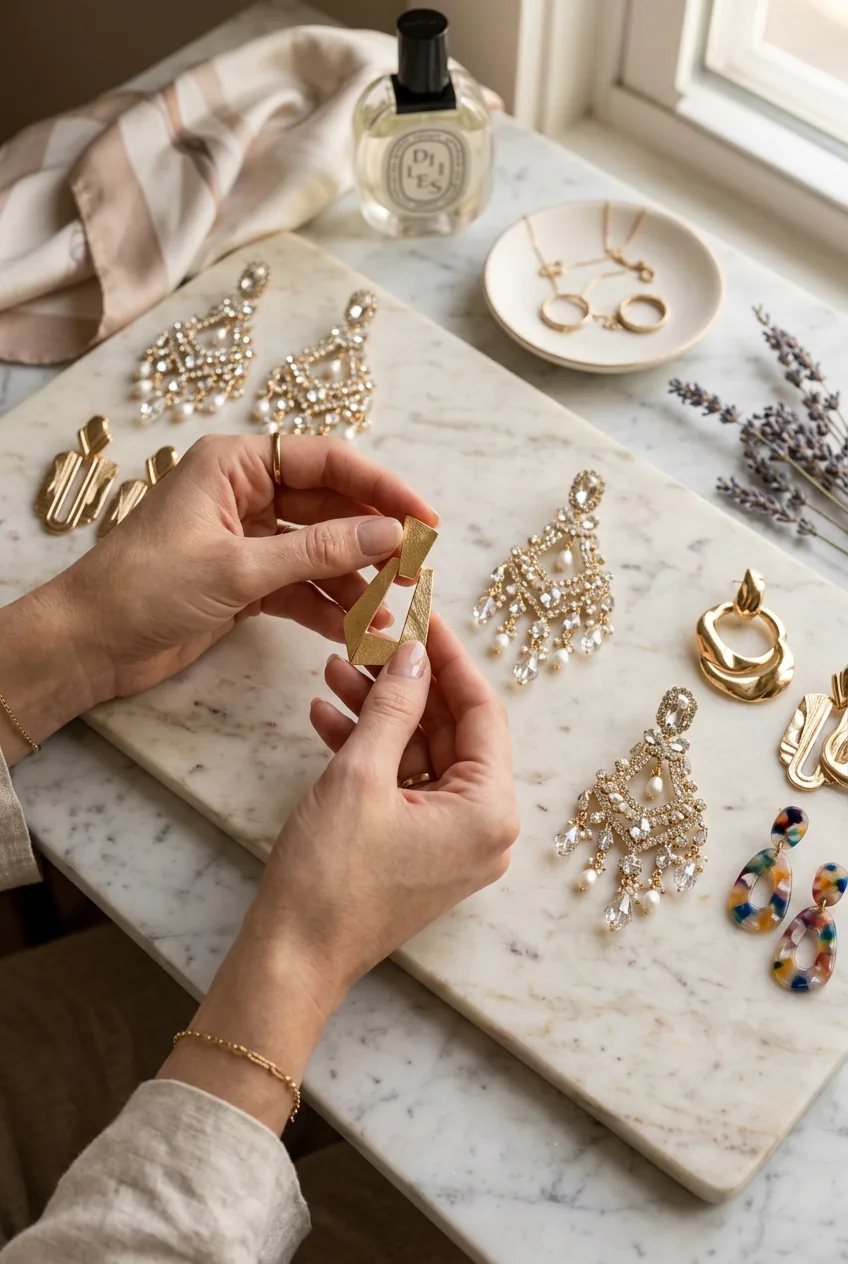
Size matters, but so does presence. Sometimes a smaller earring with incredible detail can command more attention than a large but simple hoop. Trust your eye — if the earrings make you stand a little straighter when you put them on, they’re ready to lead.
Step 2: Keeping the Neckline Clear
This is where most people go wrong. They pick amazing earrings and then pile on necklaces, scarves, and busy necklines that fight for attention. When your earrings are the star, everything from your collarbone up should support them, not compete.
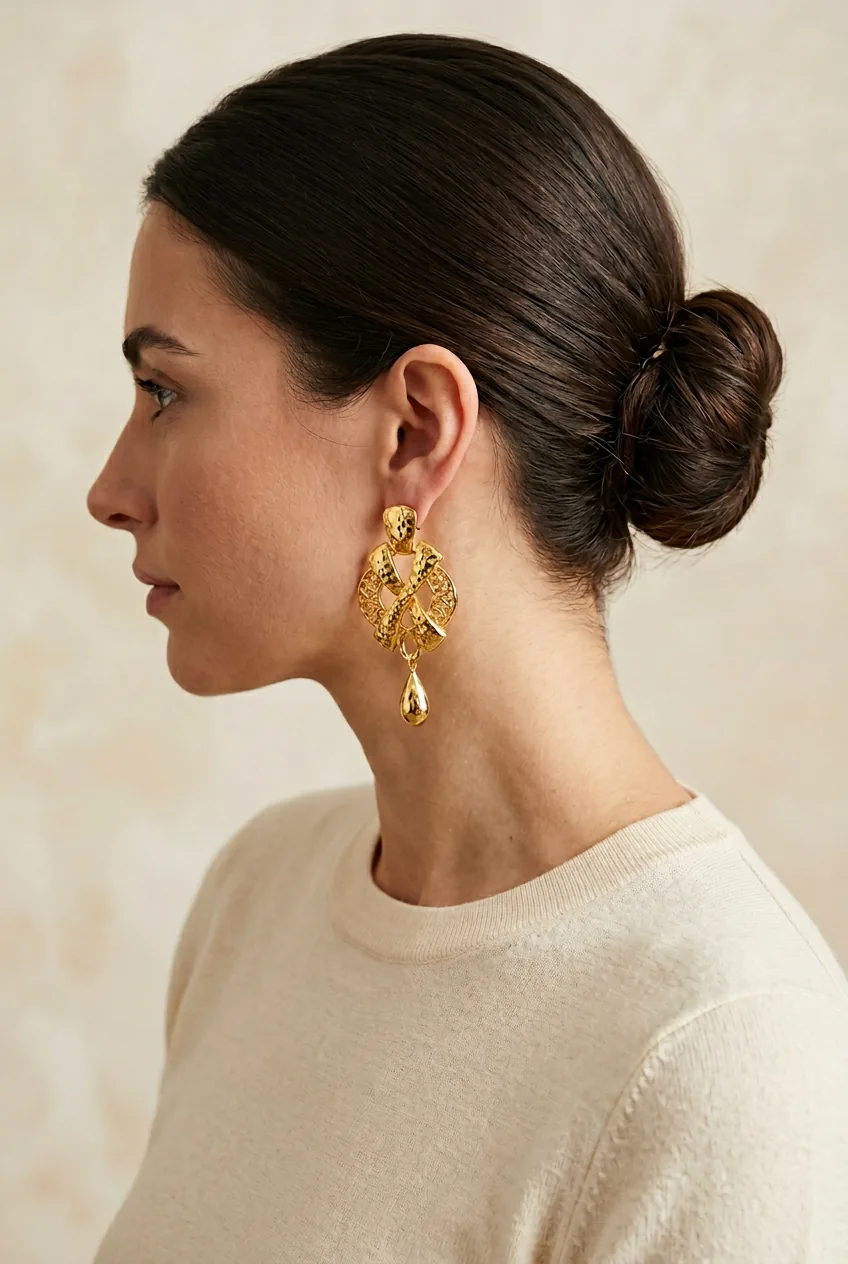
I always start with simple necklines — crew necks, boat necks, off-the-shoulder styles, or clean V-necks. These create a calm backdrop that lets the earrings pop. Avoid turtlenecks (they crowd the earrings) and overly detailed collars or embellishments around the neck area.
I made this mistake for years — wearing my favorite beaded chandelier earrings with a chunky knit sweater that had cable details around the neckline. The textures fought each other and nothing looked intentional. Now I save those earrings for smooth, simple tops and they finally get the attention they deserve.
Hair placement is crucial here too. If your earrings have movement or interesting back details, wear your hair up or swept to one side. Long chandelier earrings can get lost in loose waves, but they’re stunning when they have space to swing and catch light.
Step 3: Choosing Colors That Support, Not Compete
Here’s my rule: either pull one color from the earrings and repeat it subtly in your outfit, or go completely neutral and let the earrings provide all the color drama. Never try to match the earrings exactly — that looks too coordinated and takes away their statement power.
If your earrings have multiple colors, pick the most unexpected one and echo it in a small way — maybe through your lip color, a belt, or your shoes. This creates a sophisticated connection without being obvious. For single-color statement pieces, I often go with neutrals like cream, black, or soft grays that don’t compete.

Metallics deserve special attention. Gold earrings don’t always need gold accessories elsewhere — sometimes mixing metals creates more interest. My silver chandelier earrings look incredible with gold rings and a copper-toned belt. The key is confidence in your choices.
When working with color coordination techniques, I’ve learned that the most sophisticated looks often have one dominant metal with small touches of others, rather than trying to match everything perfectly.
Step 4: Balancing the Rest of Your Accessories
This is where restraint becomes your superpower. When statement earrings are leading, everything else should whisper, not shout. I follow the “one statement piece” rule religiously — if the earrings are bold, the necklace, bracelet, and rings should be minimal.
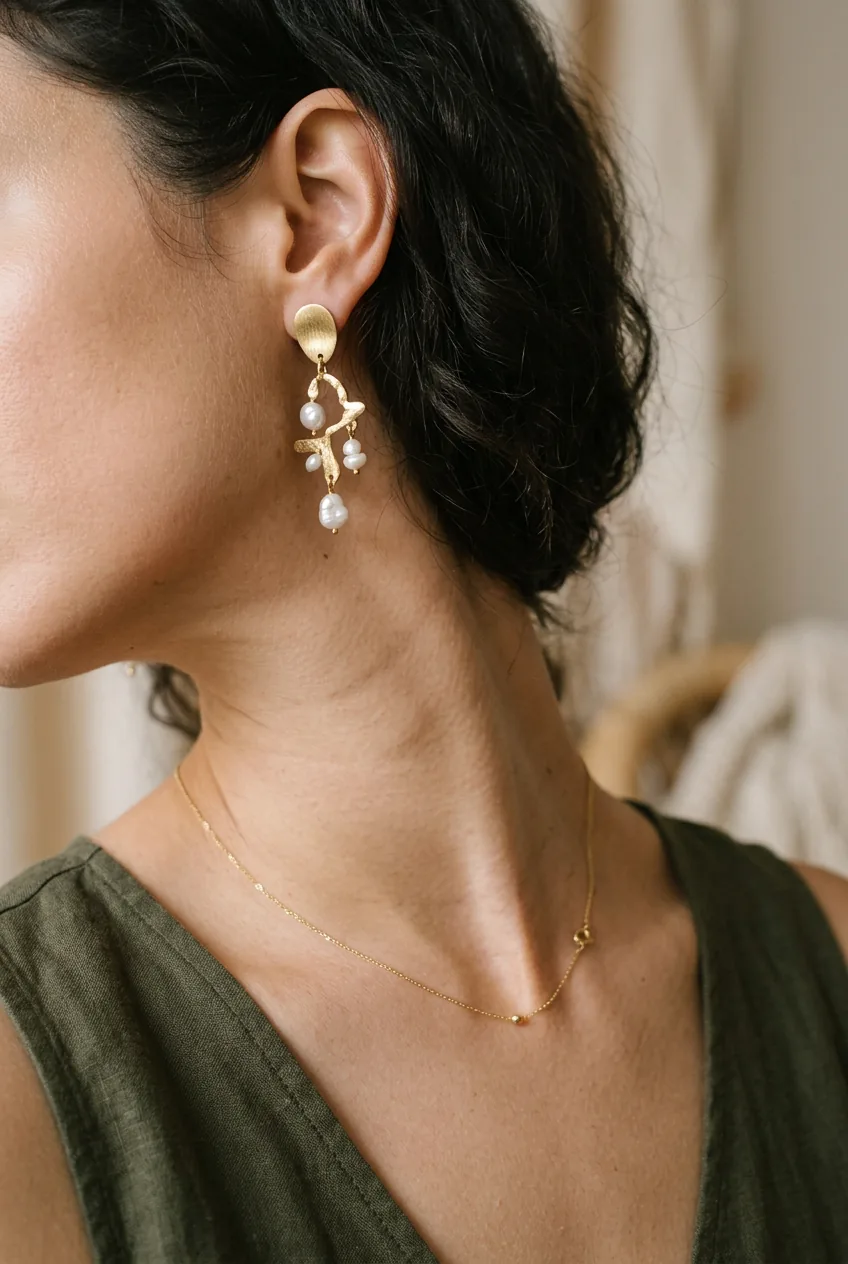
For necklaces, I either skip them entirely or choose something very delicate that sits well below the earrings’ visual space. A thin chain with a small pendant works, but nothing chunky or attention-grabbing. Sometimes I’ll do a simple chain that disappears under the neckline — it adds a subtle hint of luxury without competing.
Rings and bracelets should complement, not echo. If your earrings are ornate and detailed, choose sleek, simple rings. If the earrings are geometric and modern, you can get away with slightly more interesting ring shapes, but keep them in the same metal family for cohesion.
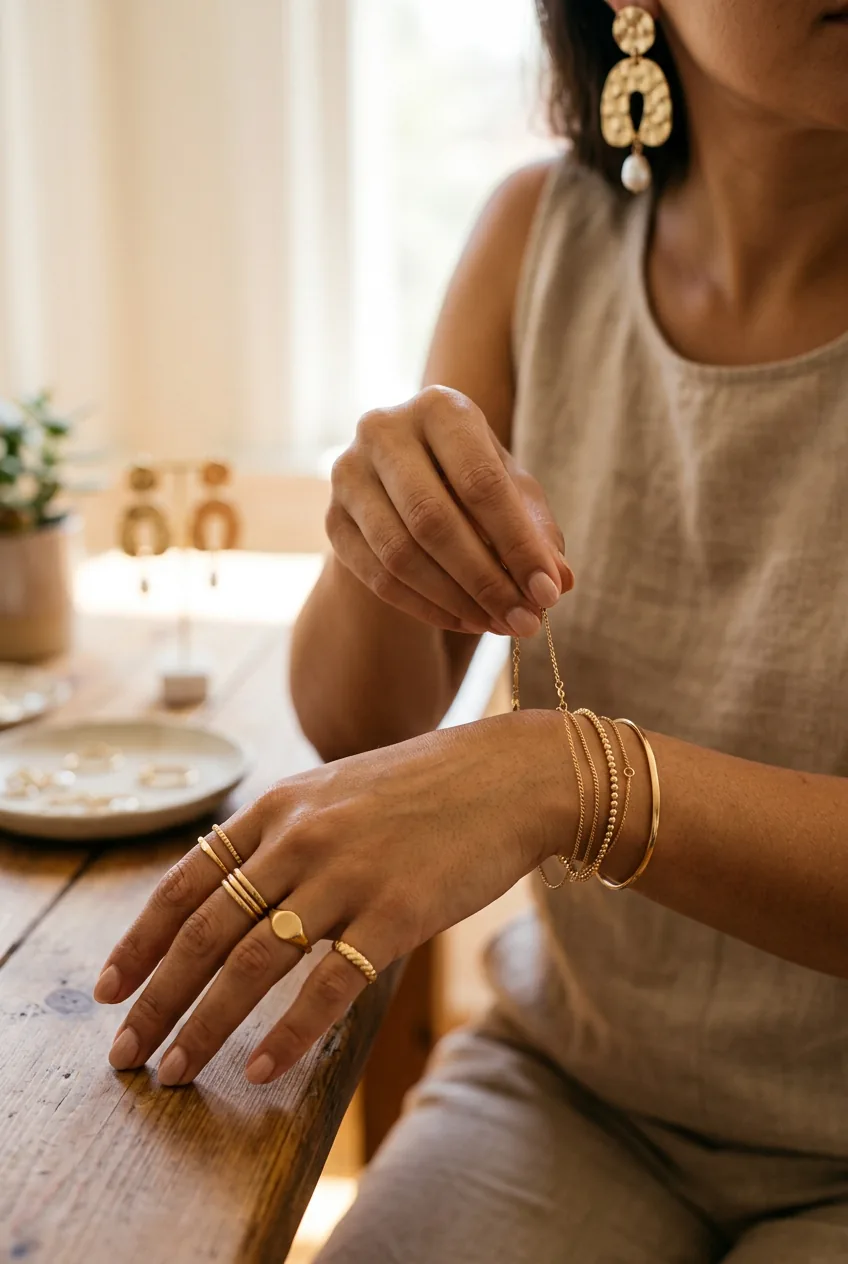
Bags and shoes become important balancing elements. A structured bag can ground dramatic, flowing earrings, while a soft, unstructured bag works beautifully with sharp, geometric pieces. The goal is creating visual harmony, not matching.
Those must have glamping accessories I picked up last season actually taught me a lot about this principle — when you’re working with limited pieces, you learn to make each one count without overwhelming the look.
This Stylist Shows Perfect Balance
Step 5: When to Let the Earrings Shine Alone
Sometimes the most powerful choice is to let your statement earrings be the only jewelry you wear. This works especially well with earrings that have incredible craftsmanship, unusual materials, or sentimental value that deserves full attention.
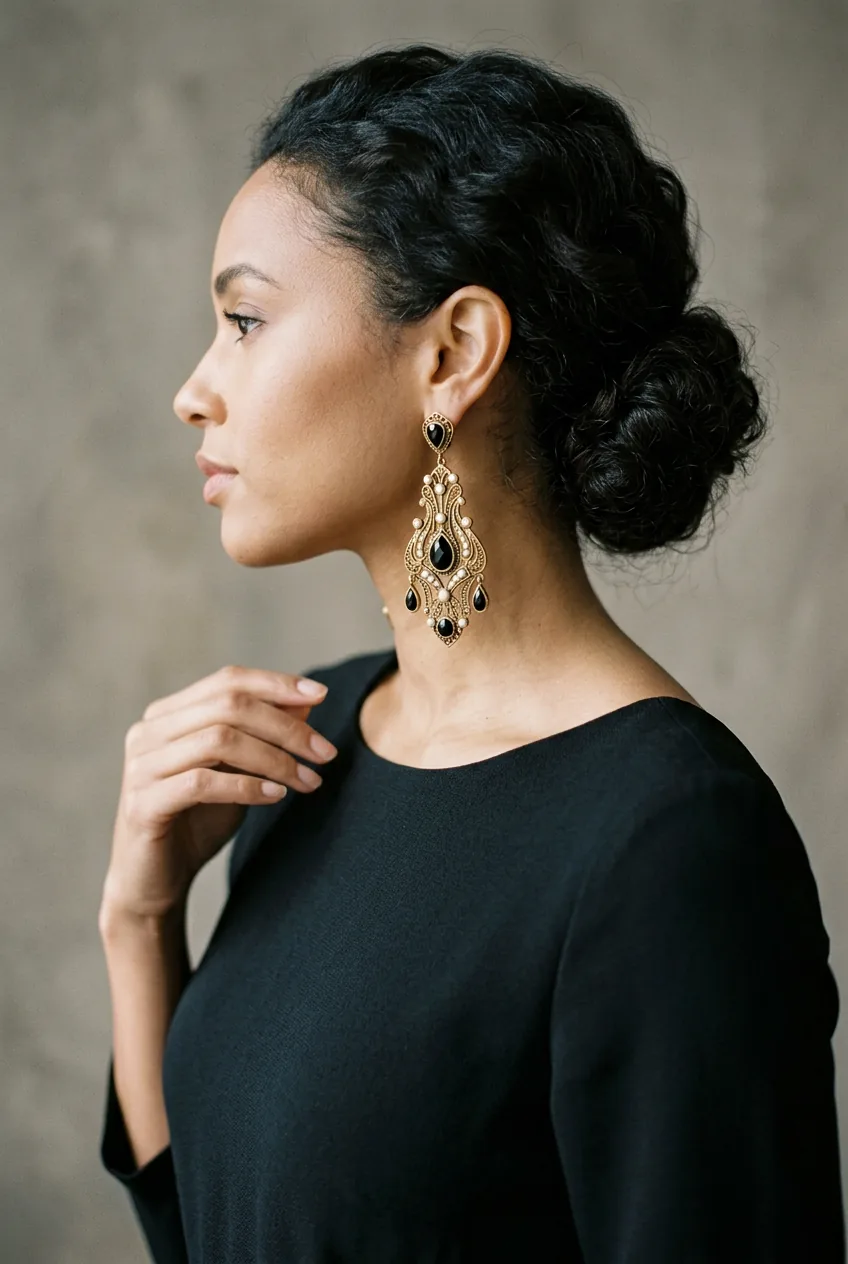
I do this with my vintage Art Deco earrings — they’re so beautifully made that adding anything else feels like gilding the lily. A simple black dress, hair pulled back, these earrings, and nothing else. The look is elegant, intentional, and lets the earrings tell their story.
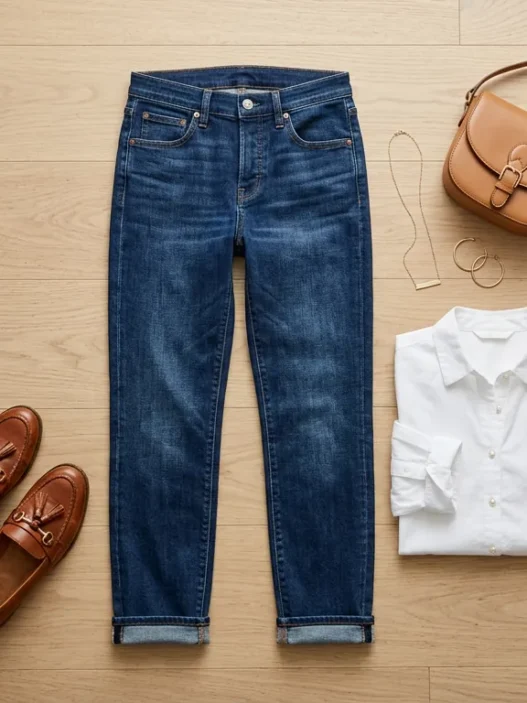
This approach works for day looks too. Statement earrings with a crisp white shirt, well-fitted jeans, and minimal makeup can be incredibly striking. The contrast between casual clothing and dramatic jewelry creates an effortless-but-thought-out vibe that I love.
For evening events, going earrings-only can be the most sophisticated choice. Let them be your conversation starter, your pop of personality, your signature detail. People remember women who make bold, confident choices with their accessories.
Learning to build outfits around statement jewelry changed how I think about getting dressed. Now I reach for my favorite earrings first and build from there, instead of treating them as an afterthought. The result feels more intentional, more “me,” and honestly? I get way more compliments.
Questions I Get About This Method
Can I wear statement earrings to work?
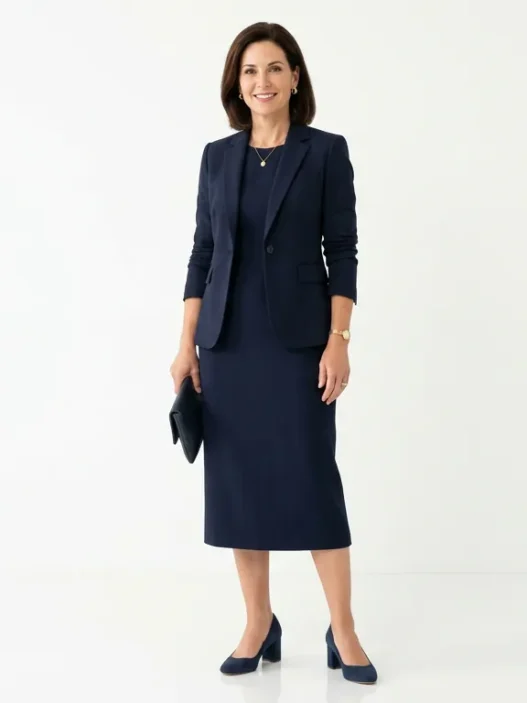
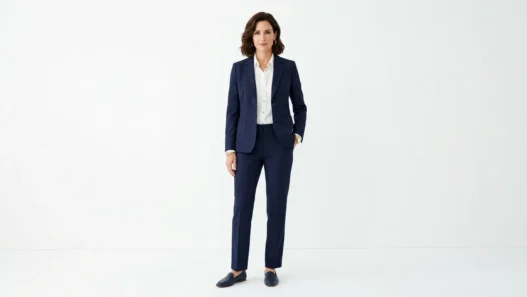
Absolutely, but choose your battles. In conservative offices, go for interesting shapes in classic metals rather than bright colors or dramatic size. A sculptural gold pair with a blazer can look incredibly professional and polished.
What if my hair is too short to show off chandelier earrings?
Short hair actually showcases statement earrings beautifully! The clean lines around your face make bold earrings pop even more. Just make sure they’re proportional to your features — sometimes smaller statement pieces work better than massive ones.
How do I know if my earrings are too much for an occasion?
Trust your instincts. If you’re constantly adjusting them or worrying about them, they’re probably too much for that setting. Statement earrings should make you feel confident, not self-conscious. Start smaller and work up to bolder pieces as you get comfortable.
Can I mix metals when styling around statement earrings?
Yes, but keep it intentional. If your earrings are gold, adding one piece of silver elsewhere can look modern and interesting. Just avoid having equal amounts of different metals — let one dominate and use others as subtle accents.
Since I started using this method, I actually wear my statement earrings regularly instead of saving them for “special occasions.” They’ve become part of my signature style, and I love how confident and put-together I feel when I let them lead the way. Your beautiful earrings deserve to be seen — build your look around them and watch how different people respond to your style.