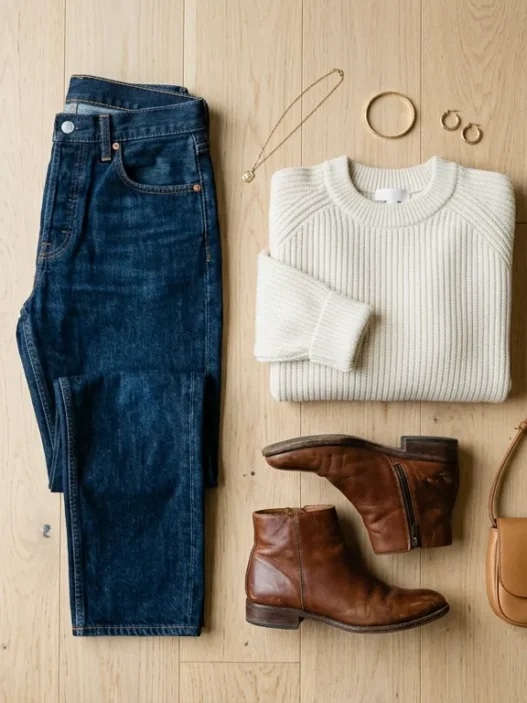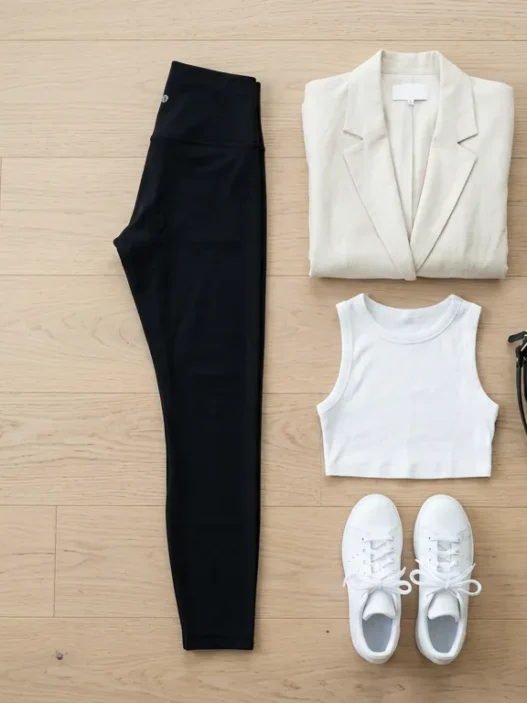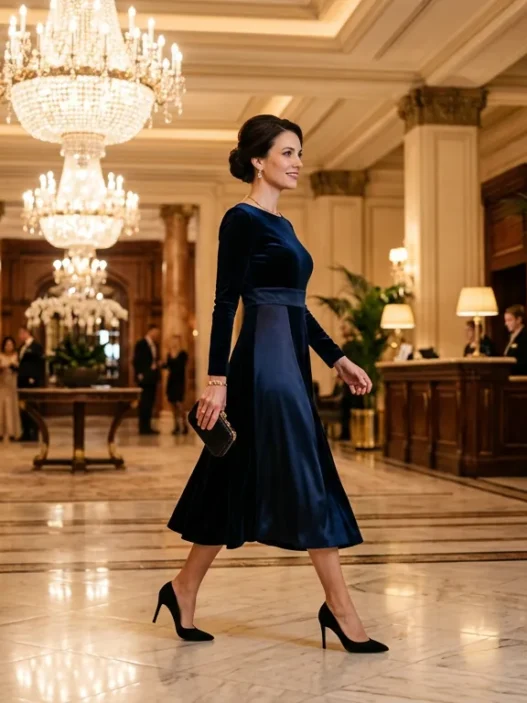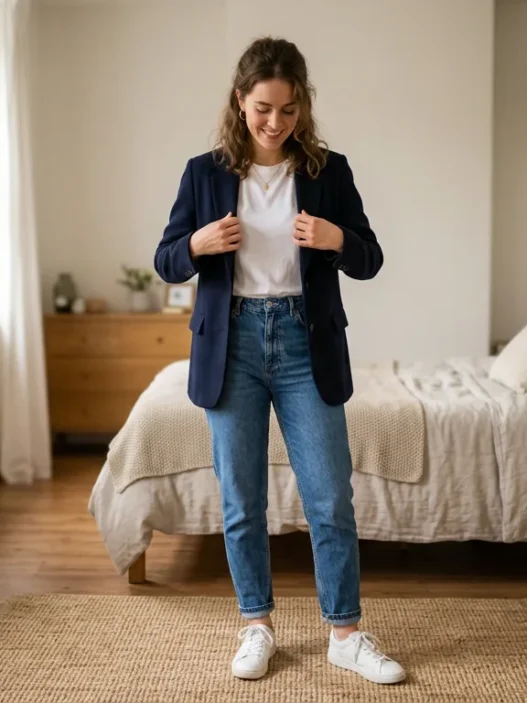










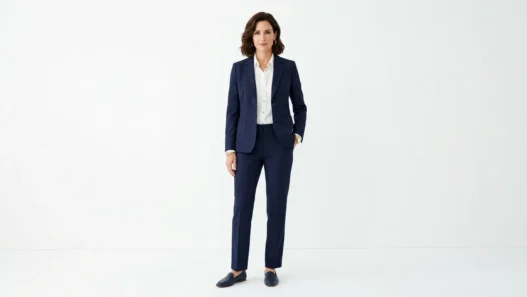


Three years ago, I counted my closet hangers. Ninety-seven pieces of “professional” clothing, and I still stood there every morning feeling like I had nothing to wear. Sound familiar? That’s when I decided to try something radical — building a uniform around the same five business professional outfits that I rotate through my entire workweek.
Best decision I’ve made for my career wardrobe, hands down.
What’s Inside My Uniform Strategy
When It Started
I was running late to a client presentation when it hit me. Not the presentation — I nailed that. But the realization that I’d worn the exact same navy blazer, white button-down, and charcoal trousers combo three times that week. And nobody noticed. More importantly, I felt confident and put-together every single time.

That’s when I started paying attention to what successful women around me were actually wearing. My mentor, the CFO who always looked impeccable? Same black sheath dress with different blazers. The senior partner everyone respected? Variations on the same trouser-suit theme, just in different colors.
They weren’t boring. They were strategic. And I wanted in on that secret.
Why It Works
Decision fatigue is real, especially when you’re already managing a million work priorities before 9 AM. When I eliminated the “what to wear” question from my morning routine, something shifted. I had more mental energy for the stuff that actually mattered.
But here’s what surprised me most — having fewer options made me more creative, not less. When you know your base uniform inside and out, you start noticing the details that make all the difference. The way a silk scarf changes the whole vibe. How switching from pumps to loafers shifts the energy from formal to approachable.

Plus, there’s something powerful about being known for your style consistency. People started complimenting my “effortless” look. Little did they know the effort was all in the planning, not the daily execution.
And can we talk about the money I’ve saved? No more impulse “I need something for that meeting” purchases. No more unworn items with tags still attached. When you have a clear uniform framework, every purchase has to earn its place.
The Pieces in Rotation
My formula is simple: one base silhouette, five color variations. Here’s exactly what’s in my professional uniform rotation.
Monday: Navy blazer, cream silk blouse, charcoal wide-leg trousers. This is my power combo — the one I wear to important meetings or when I need to feel extra confident.

Tuesday: Camel-colored blazer, white cotton poplin shirt, navy trousers. Softer than Monday’s look but still completely professional. The camel adds warmth without being too trendy.
Wednesday: Black knit blazer, light gray merino sweater, black straight-leg trousers. My mid-week comfort uniform. The knit blazer looks structured but feels like wearing pajamas.
Thursday: Burgundy blazer, white silk blouse, charcoal trousers. This color makes me feel sophisticated in a way navy never quite achieved. It’s my secret weapon for presentations.
Friday: Navy cardigan blazer, striped cotton tee, dark wash denim trousers. Still polished, but signals that yes, the weekend is coming. The denim trousers are cut like dress pants — nobody would mistake them for jeans.

The accessories rotate too, but they’re equally systematic. Three pairs of shoes: black pumps, nude flats, brown loafers. Two bags: structured black tote for client days, cognac leather crossbody for internal meetings. Simple gold jewelry that works with everything.
See How the Uniform Works in Real Life
What I’ve Let Go Of
This is where I might lose some of you, but hear me out. I gave up trying to be the most fashion-forward person in the office. And honestly? It’s been liberating.
Gone are the statement pieces that only worked with one specific outfit. Goodbye to the stunning birthday outfit approach to daily dressing — that energy is better saved for actual celebrations. I donated the trendy pieces that made me feel like I was playing dress-up instead of getting work done.

I also let go of the idea that I needed to show my “personality” through my work clothes. My personality comes through in my ideas, my communication style, my leadership approach. My clothes are the backdrop, not the main character.
The hardest thing to release? The fantasy that someday I’d transform into someone who loved spending time coordinating outfits. I’m not that person, and that’s perfectly fine. Quality basics matter more than creativity when you’re building a sustainable work wardrobe.
The One Thing That Changed Everything
Here’s my slightly controversial take: the blazer is everything. Not just any blazer — the right blazer for your body and your work environment.
I spent two months trying on blazers before I found my perfect fit. Sounds excessive, but when you’re going to wear something twice a week for years, it’s actually the most practical thing you can do. The right blazer transforms everything it touches. Jeans become business casual. A simple tee becomes meeting-appropriate.

My blazer rules: sleeves that hit exactly at my wrist bone, a length that covers my hip bones, and a fit that lets me move my arms freely. No pulling across the back when I reach for something. These details sound boring until you’re wearing the blazer 40+ hours a week.
The other game-changer? Investment pieces that work across seasons. My blazers transition from air-conditioned offices in summer to layering pieces in winter. When your core pieces are truly versatile, the uniform concept actually gives you more flexibility, not less.
Three years in, my professional uniform has evolved slightly — I’ve swapped one blazer color and upgraded my trouser fit twice. But the foundation remains the same. And every morning when I open my closet, I’m reminded why this approach works.
Some people collect shoes. I’ve perfected five outfits that make me feel like the most competent version of myself. That feels like a pretty good trade-off to me.