









I still remember the first time I saw a Lolita coordinate in person. It was 2018 at a convention, and I watched this girl glide past in full Gothic Lolita — every detail perfect, from her platform Mary Janes to the way her petticoat created that signature bell silhouette. I was mesmerized. And completely intimidated.
Eight years later, I’ve learned that everything I thought I knew about Lolita fashion was wrong. The media portrayal? Completely off base. The “rules”? Half of them are made up by people who’ve never worn a JSK in their lives.
What You’ll Discover About Lolita Fashion
The History Behind Lolita Fashion
Let’s get one thing straight right off the bat: Lolita fashion has absolutely nothing to do with that book. The name is unfortunate, I’ll give you that. But this Japanese street fashion emerged in the 1970s as a rebellion against the restrictive beauty standards placed on women.
The style draws heavily from Victorian and Rococo fashion — think elaborate court dress meets doll-like innocence. Brands like Baby, the Stars Shine Bright and Angelic Pretty didn’t just create clothes; they created an entire aesthetic philosophy. The goal was never to look sexy or appeal to the male gaze. It was about reclaiming femininity on your own terms.
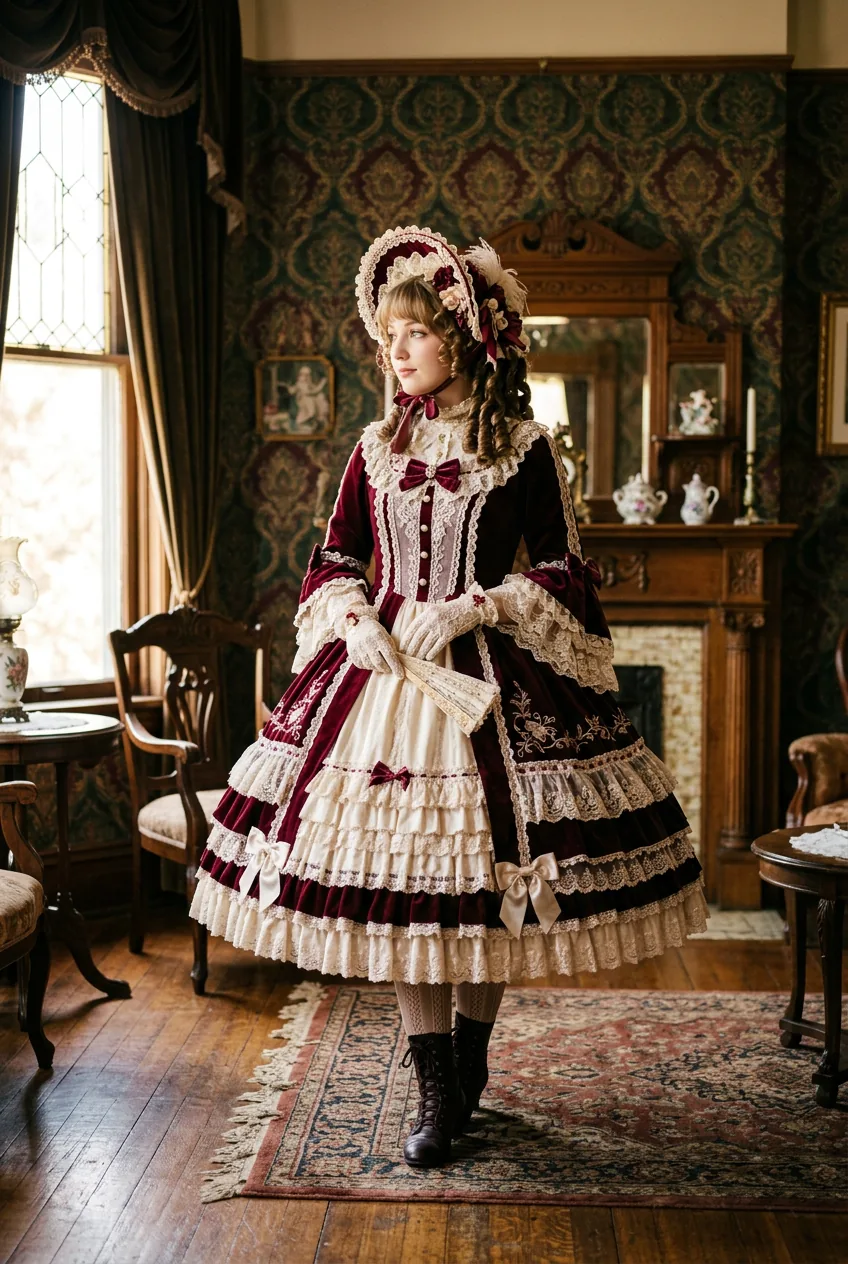
What fascinates me most is how Lolita fashion developed alongside Japan’s economic boom. Young women had disposable income for the first time, and they weren’t interested in looking like their mothers. They wanted something that felt both nostalgic and revolutionary. The intricate details — hand-sewn lace, custom prints, architectural petticoats — became a form of wearable art.
The three main substyles emerged organically: Sweet Lolita with its pastels and cute motifs, Gothic Lolita in elegant blacks and deep jewel tones, and Classic Lolita that skewed more mature and historical. Each served a different emotional need, but all shared the same foundational silhouette and philosophy.
What the Media Gets Wrong
Here’s where I get fired up. Almost every mainstream article about Lolita fashion gets it spectacularly wrong. They focus on the most extreme examples, usually from tourists in Harajuku who aren’t even wearing proper coords. They call it a “costume” or link it to some kind of age regression fantasy.
The reality? Most Lolitas are just regular women who happen to love elaborate clothing. I wear Lolita to work (I’m a graphic designer), to grocery shopping, to family dinners. It’s not a weekend hobby or a phase — it’s how I choose to dress because it makes me feel confident and beautiful.
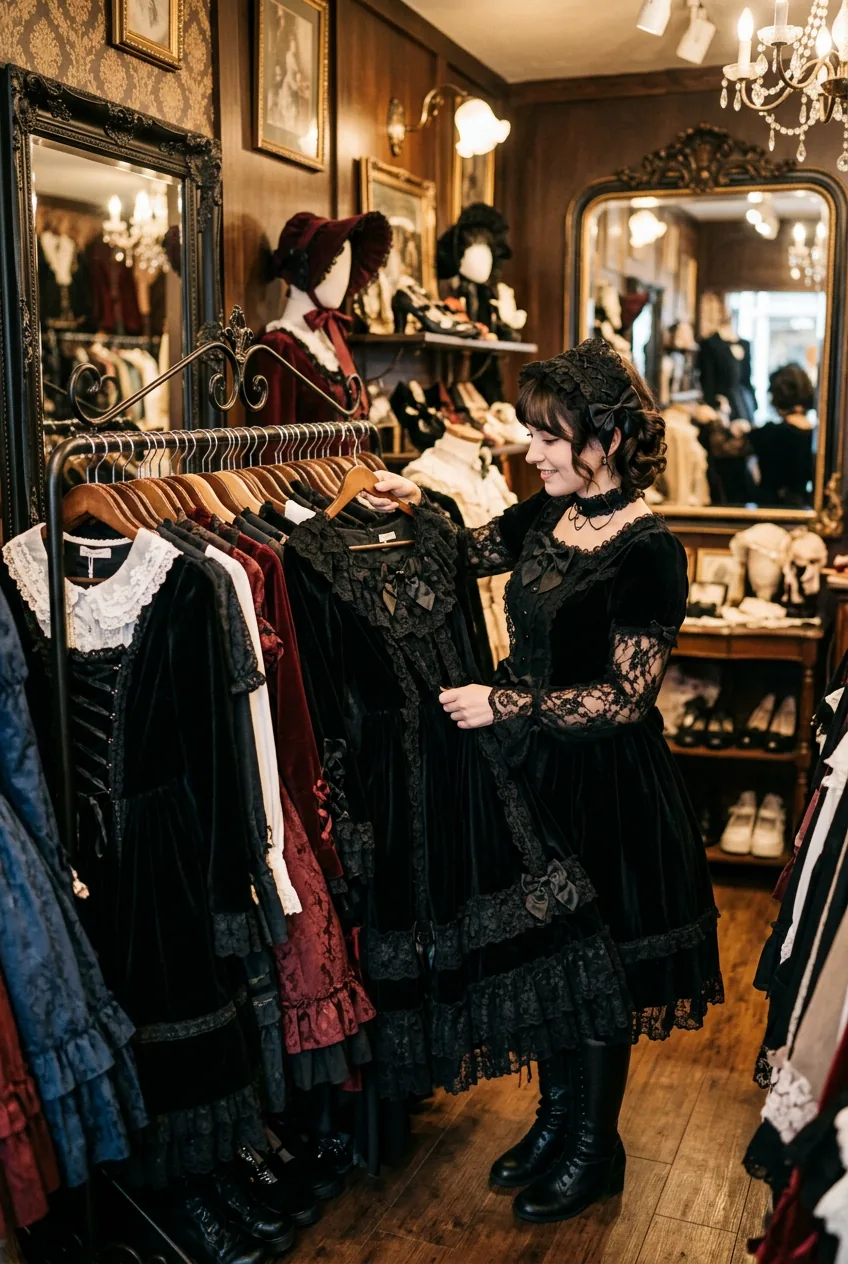
The biggest misconception is that we’re trying to look like children. That’s not just wrong, it’s offensive. The silhouette is actually incredibly sophisticated — it requires understanding of proportion, color theory, and textile weight. When I put together a coordinate, I’m considering how the lace on my blouse interacts with my JSK’s print, whether my accessories create visual balance, how my hair complements the overall aesthetic.
Japanese street fashion has always been about pushing boundaries and expressing individuality. Lolita is no different. We’re not performing for anyone — we’re dressing for ourselves.
Another thing that drives me crazy is when people assume it’s expensive “just because.” Yes, brand pieces cost money. But so does any quality clothing. A Baby JSK might be $300, but it’s fully lined, uses imported lace, and will last decades with proper care. Compare that to fast fashion that falls apart after three washes.
The Real Rules That Matter
Okay, confession time. I used to be a total rule-follower. I read every guidebook, followed every “do and don’t” list, and was terrified of being “ita” (the community term for poorly executed Lolita). But after years in the fashion, I’ve realized most “rules” are actually just preferences that got repeated so often they became gospel.
The only rules that truly matter are about silhouette and respect. You need a proper petticoat — there’s no negotiating on this. The bell shape is fundamental to Lolita fashion. Without it, you’re just wearing a fancy dress. I learned this the hard way when I tried to cheat with a regular tulle skirt. The photos from that meet-up still haunt me.
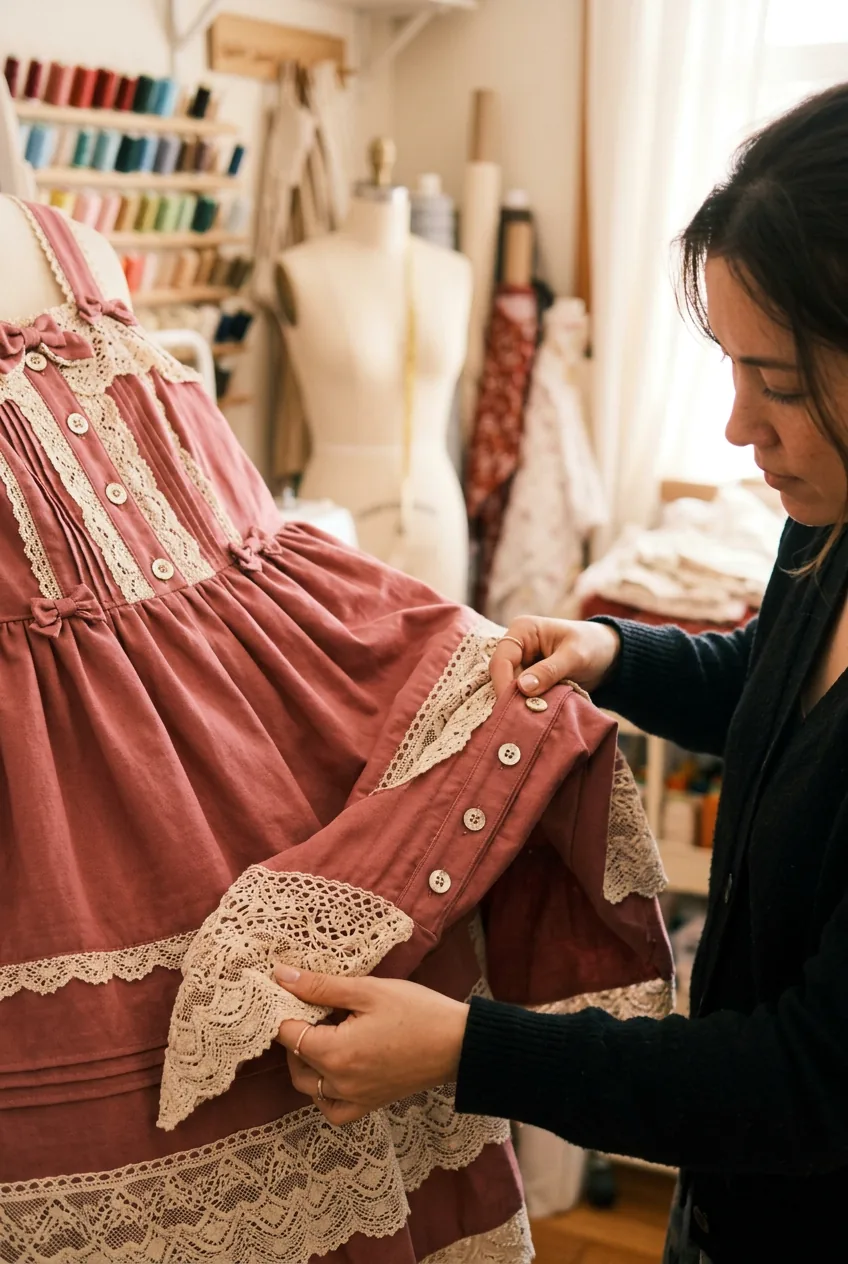
Color coordination matters, but it’s more flexible than people think. The old “match your headbow to your socks” rule? Cute, but not necessary. I prefer creating color echoes throughout an outfit rather than exact matches. A burgundy velvet choker with burgundy buttons on my boots creates more visual interest than perfectly matched accessories.
Hair and makeup should enhance, not overwhelm. This is where I see the most mistakes. You don’t need elaborate curls or doll-like makeup unless that’s genuinely your preference. Some of my favorite coordinates pair with simple side-swept hair and minimal makeup. The clothes should be the star.
The controversial opinion I’ll stand by? You don’t need brand pieces to wear good Lolita. I’ve seen stunning coordinates made entirely from indie brands, vintage finds, and even some mainstream pieces styled cleverly. Craftsmanship matters more than labels. A well-constructed replica that fits properly looks infinitely better than an ill-fitting brand piece.
See the Silhouette Difference
How to Start Without Breaking the Bank
This is the advice I wish someone had given me when I started. You don’t need to drop $800 on your first coordinate. Start with a solid foundation and build slowly.
Your first investment should be a quality petticoat. I know it sounds backwards — spending $60 on an undergarment before buying the actual dress — but trust me on this. A cheap petticoat will make even an expensive JSK look terrible. A good petticoat will make a budget coordinate look polished.
For your first JSK or OP, consider indie brands like Infanta, Soufflesong, or Fanplusfriend. They offer solid construction at reasonable prices. I still wear pieces from these brands regularly, often mixing them with more expensive accessories. A $120 indie JSK with a $200 brand bolero creates a coordinate that looks entirely high-end.
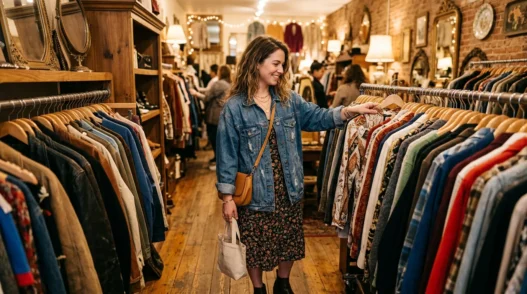
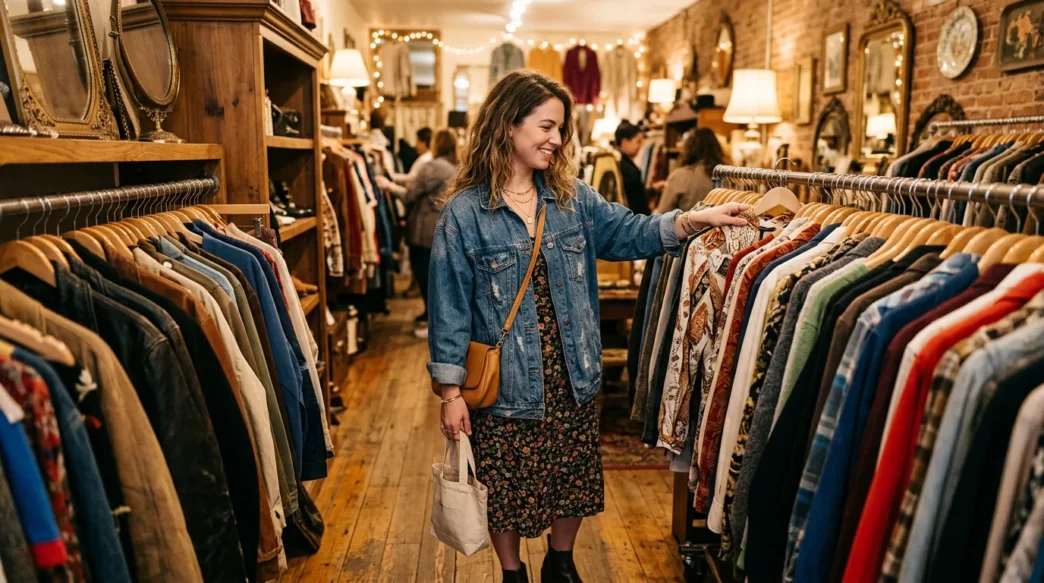
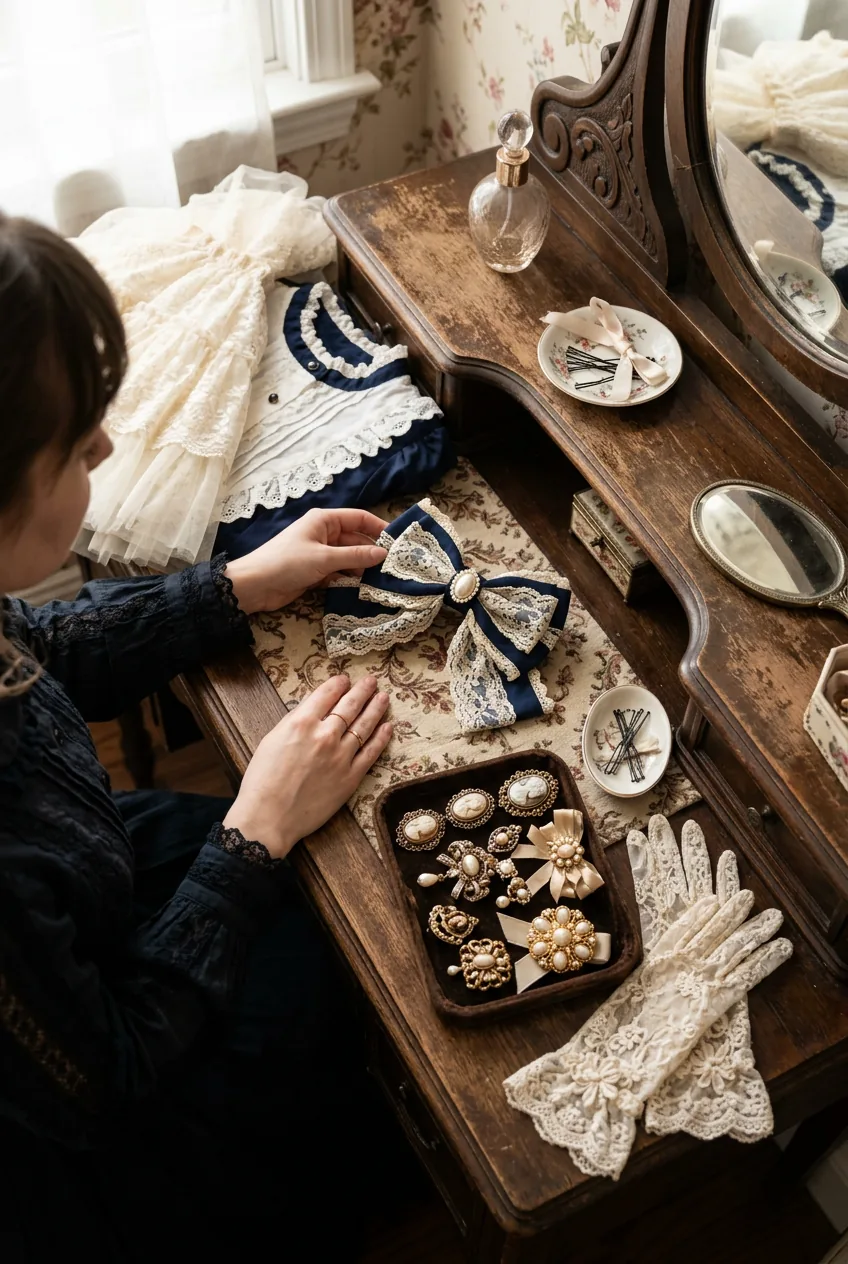
Accessories are where you can really stretch your budget. Thrift stores are goldmines for vintage brooches, cameos, and lace gloves. I’ve found amazing pieces at estate sales that complement my coordinates perfectly. Retro glamour outfits often share similar aesthetic elements, so don’t limit yourself to specifically “Lolita” accessories.
The secondary market is your friend, but be smart about it. Join Facebook groups and Discord servers where people sell their pieces. I’ve scored $300 brand JSKs for $150 because they didn’t fit the seller anymore. Just make sure you understand the measurements — Lolita fashion runs small, and brands vary significantly.
Shoes deserve special mention because they’re often overlooked in budget planning. You need proper Lolita shoes — sneakers or regular heels will throw off the entire aesthetic. Start with basic Mary Janes from Bodyline or similar budget brands. They’re not the prettiest, but they’ll serve you well while you figure out what styles you gravitate toward.
Why This Style Survived 40 Years
Fashion trends come and go, but Lolita has endured for nearly four decades. That’s not an accident. This style fulfills something deeper than just looking pretty.
For me, Lolita fashion is about slowness in a fast world. Getting dressed takes time — there are layers to consider, accessories to coordinate, hair to arrange. But that intentionality is meditative. It forces me to start each day with purpose and attention to detail.
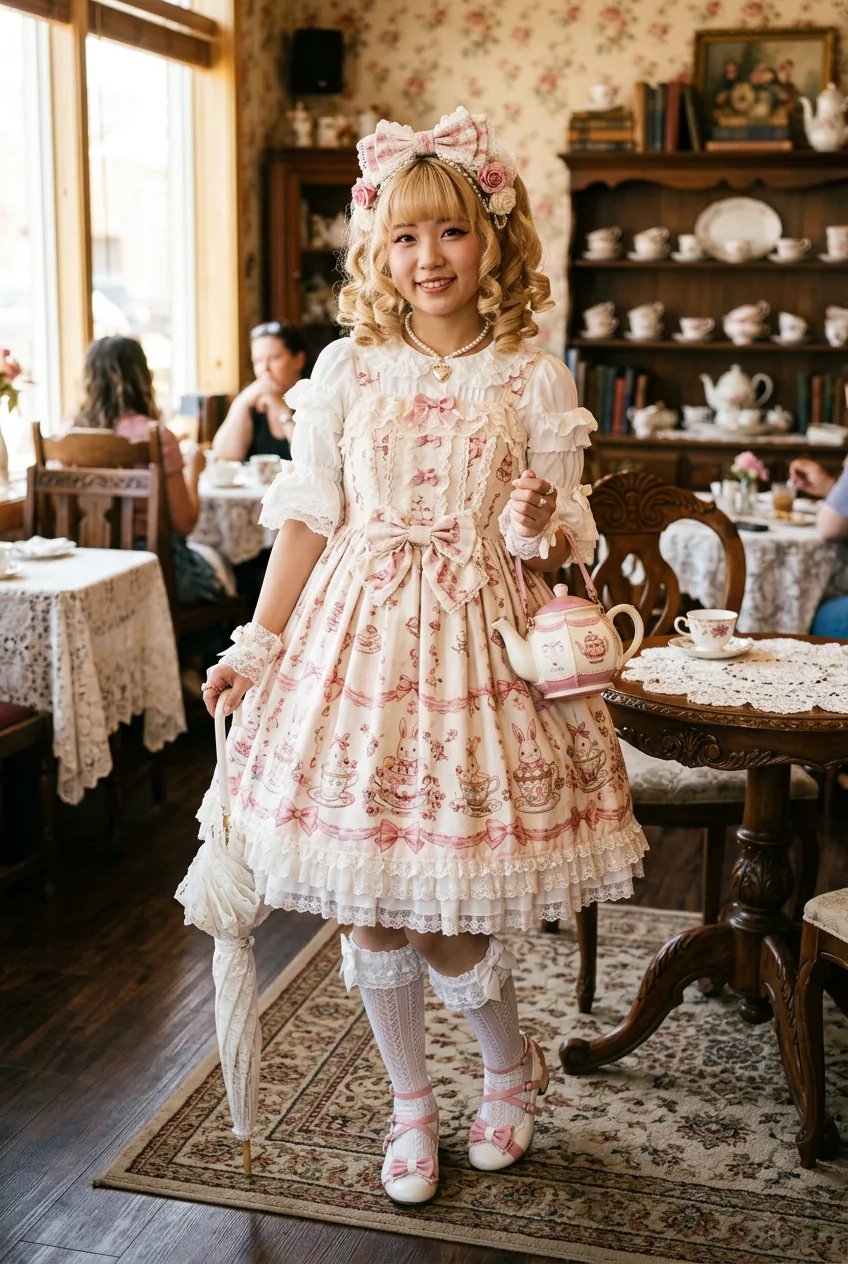
There’s also the community aspect that people don’t expect. Lolitas look out for each other. We share shopping services for Japanese brand releases, host sewing circles to mend vintage pieces, organize tea parties and museum visits. It’s not just about the clothes — it’s about finding your tribe of people who understand that beauty and craftsmanship matter.
The style has evolved while maintaining its core identity. Modern brands experiment with prints featuring everything from classical art to gothic cathedrals to cute animals. The silhouette remains consistent, but the artistic expression within that framework is limitless. It’s like having a sonnet form that poets can fill with any content.
Sustainable fashion practices align naturally with Lolita philosophy. These are clothes meant to be treasured, not discarded. I have pieces from 2019 that still look new because the construction quality is so high. When you invest in something beautiful and well-made, you take care of it differently.
What really gets me emotional is seeing how Lolita fashion has spread globally while adapting to local cultures. Chinese Lolita brands incorporate traditional motifs. European designers add their own historical references. American seamstresses create pieces inspired by local landmarks. The style has become a universal language for expressing feminine beauty on your own terms.
Questions I Get About Lolita Fashion
Is Lolita fashion appropriate for daily wear?
Absolutely. I wear it to work, social events, and running errands regularly. The key is choosing coordinates that suit the occasion — a simple Classic Lolita JSK works perfectly for office environments, while full Sweet Lolita with accessories might be better saved for weekends or special events.
How much does it cost to get started in Lolita fashion?
You can create your first complete coordinate for around $200-300 if you shop smart. This includes a budget JSK ($80-120), proper petticoat ($60-80), shoes ($40-60), and basic accessories ($30-50). Building a wardrobe happens over time — most longtime Lolitas have collected their pieces over several years.
What’s the difference between Sweet, Gothic, and Classic Lolita?
Sweet Lolita features pastel colors, cute prints (like strawberries or unicorns), and lots of bows and lace. Gothic Lolita uses darker colors, religious or spooky motifs, and creates a more elegant vampire aesthetic. Classic Lolita draws from historical fashion with muted colors, florals, and a more mature, refined look. All three share the same basic silhouette and construction principles.
Can I wear Lolita fashion if I don’t fit typical size ranges?
Yes, though it requires more planning. Many Japanese brands run small, but indie brands and some Japanese labels now offer extended sizing. Custom sizing is also an option with many indie designers. The key is understanding measurements rather than relying on size labels — every brand fits differently, and proper fitting is crucial for the silhouette to work correctly.
Look, I get why Lolita fashion seems intimidating or confusing from the outside. It’s elaborate, it has its own vocabulary, and yes, some community members can be gatekeepers. But at its heart, it’s just clothes that happen to be beautiful and make the people who wear them happy.
After eight years in this fashion, I can honestly say it’s changed how I see myself and how I move through the world. There’s something powerful about putting on a coordinate that took twenty minutes to assemble, looking in the mirror, and thinking “I am a work of art today.” That confidence carries into everything else you do.