









I remember standing in a dressing room in a gorgeous emerald wrap dress, fully convinced I looked like a woodland fairy, and then stepping into the natural light outside and realizing it had turned my skin the color of uncooked pastry. Nobody told me that green — more than almost any other color — has range. Wild, complicated, stunning range. And the wrong end of that range can genuinely ruin an otherwise perfect outfit. So here’s everything I wish someone had sat me down and said before I spent money learning it the hard way.
On Choosing the Right Shade of Green for You
This is the part nobody explains properly, and it matters more than anything else on this list. Green is basically a family of colors pretending to be one color. Sage, forest, olive, emerald, lime, hunter, pistachio, moss — they are not interchangeable. They react completely differently depending on your undertone.
If you run warm (yellow or golden undertones), olive and warm forest greens will look like they were made specifically for your skin. They settle in rather than compete. If you run cool (pink or blue undertones), jewel-toned greens like emerald and teal-greens tend to make you glow in a way that feels almost unfair. Sage sits in the middle and flatters a genuinely wide range — which is probably why it has been having such a long moment.
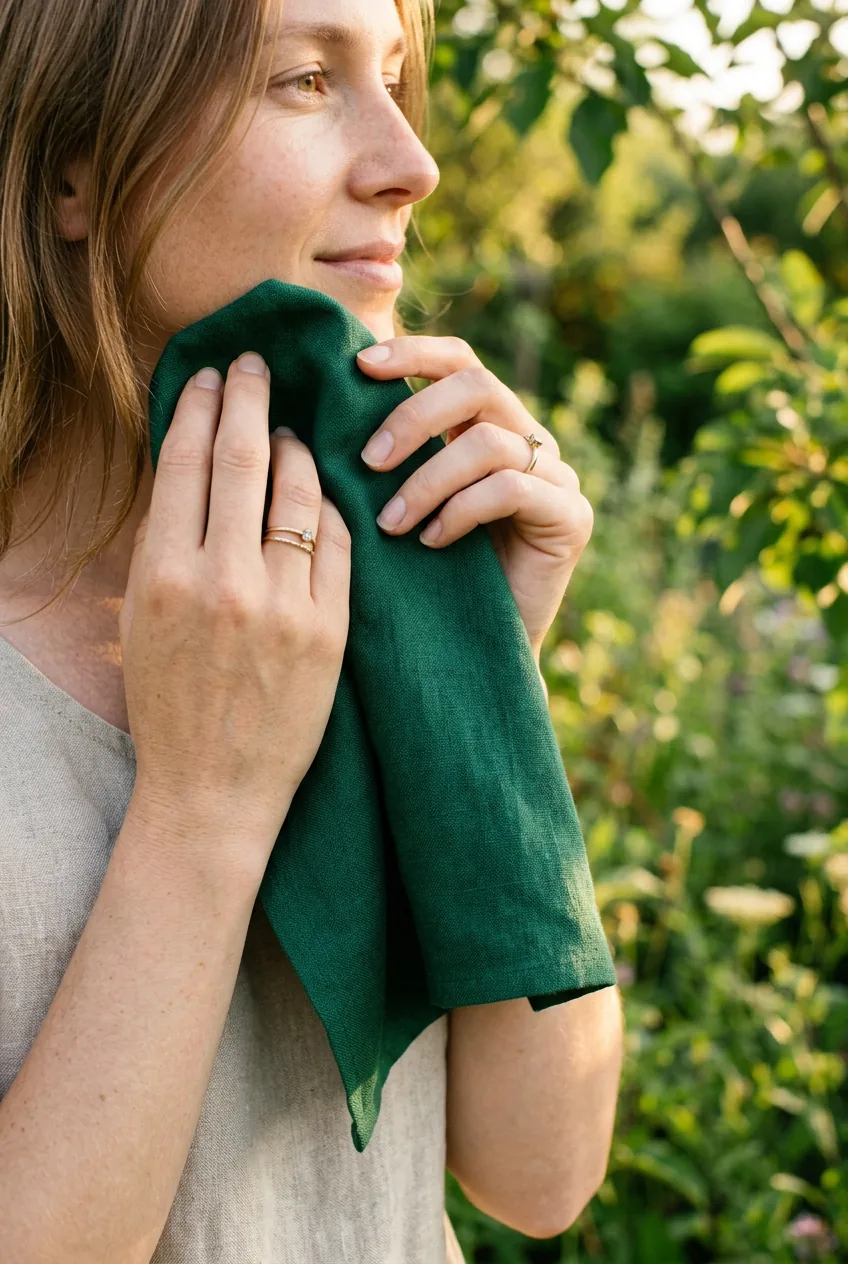
My honest recommendation: take a piece of green fabric — even a scarf or a folded shirt — and hold it to your face in daylight. Not fluorescent store lighting. Actual daylight. The right shade will make your eyes pop and your skin look like it got a full night of sleep. The wrong one will just sit there making you look tired. Finding your undertone is actually worth spending ten minutes on before you shop — it changed everything for me.
On Pieces That Actually Last
Here’s my slightly controversial opinion, and I’m standing by it: a green outfit built around one quality foundational piece will always outlast a whole haul of trendy green items. Always. The color is already doing a lot of work visually — it doesn’t need to be over-styled or over-layered to make an impact.
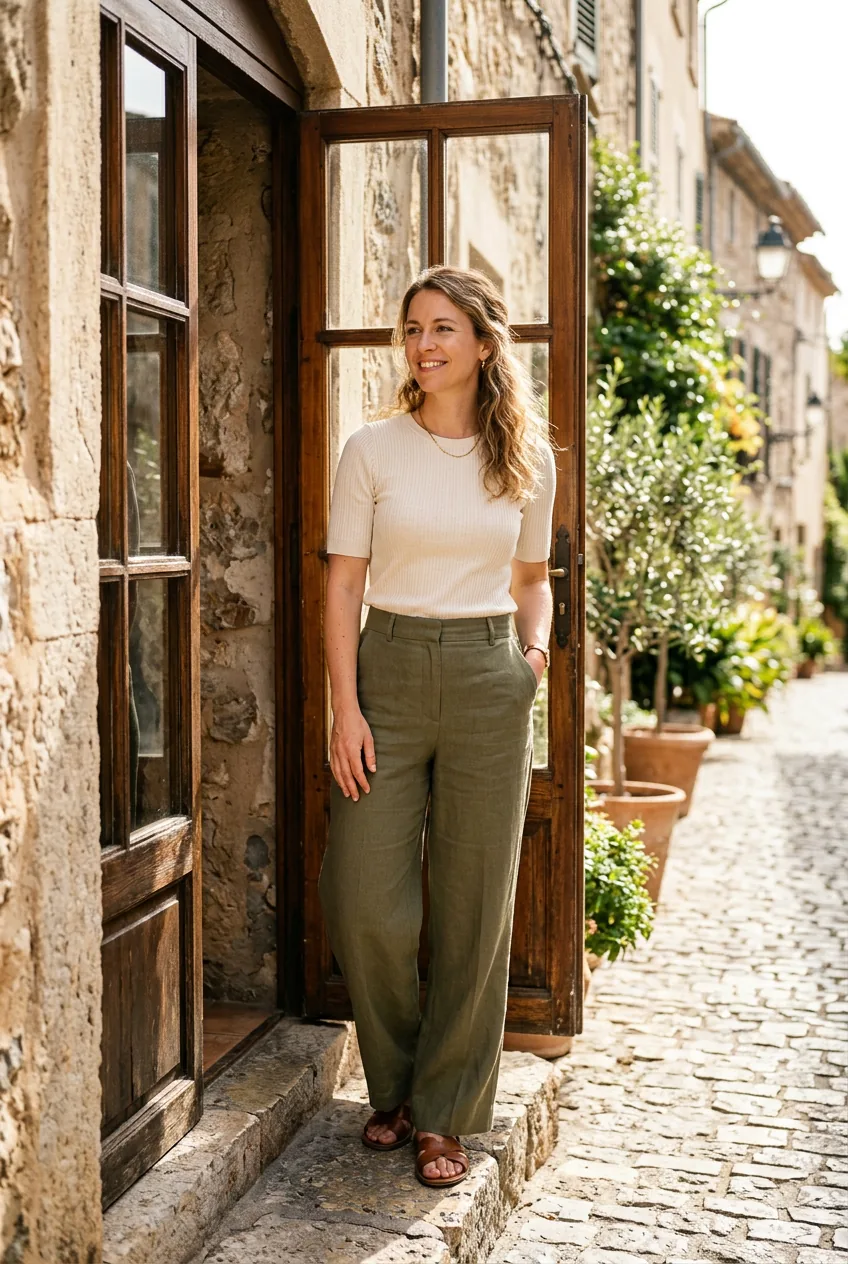
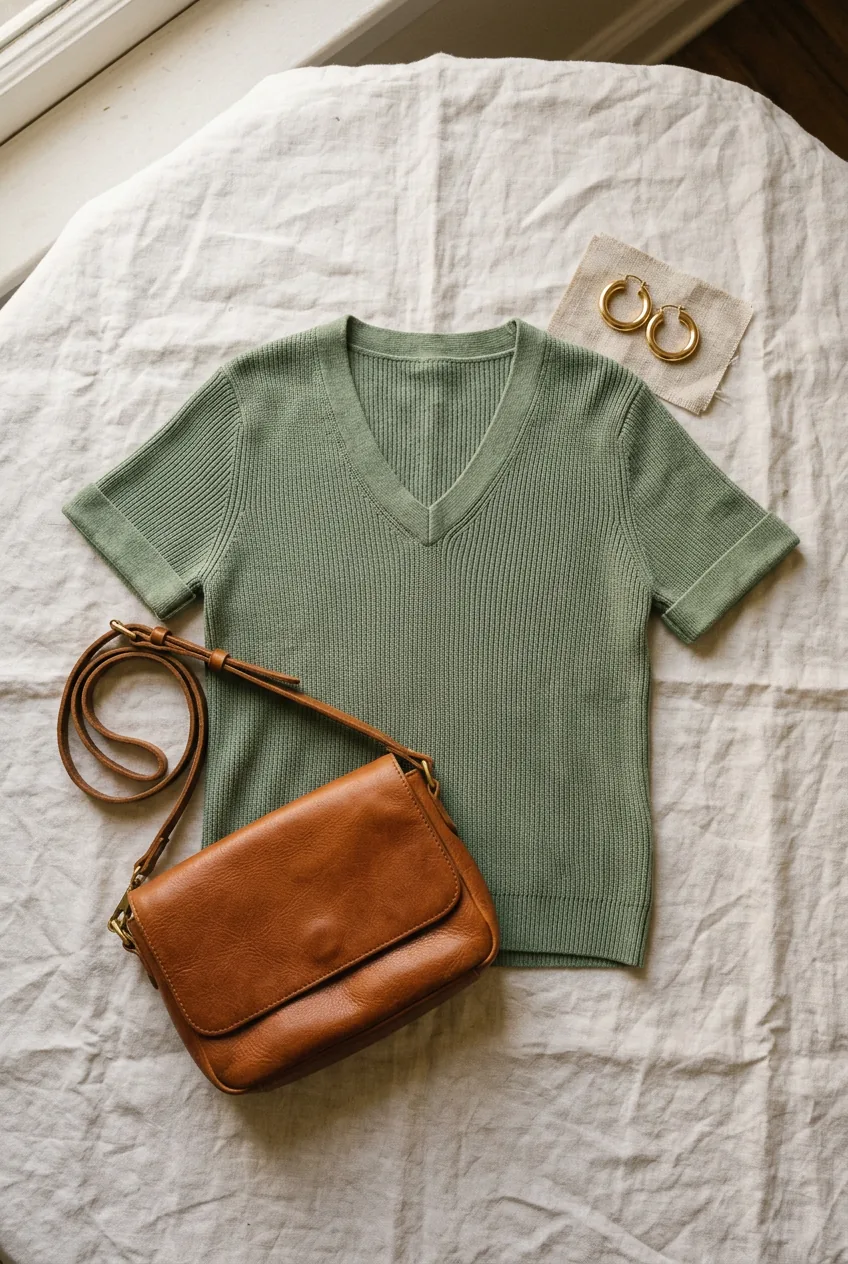
The pieces I’ve found hold up the longest in rotation? A well-cut linen trouser in olive or sage. A fitted knit top in forest or hunter green that isn’t trying too hard. A wrap dress in a deep jewel tone that you can dress up or down depending on what shoes you reach for. These aren’t flashy individually — but each one photographs beautifully, works across seasons, and doesn’t feel dated after one summer. If you’re browsing trendy outfit ideas for inspiration, green keeps showing up in exactly these silhouettes for good reason.
What I’d skip for longevity: loud graphic prints where the green is fighting with six other colors, heavily embellished green pieces that feel costume-y, or anything in a very specific novelty shade (neon chartreuse, I’m looking at you) that will feel extremely of-its-moment in eighteen months.
On the Money Part
I want to be real with you about budgeting for color. Green, specifically, is the kind of color where cheap fabric shows. Not always — but often enough that it’s worth mentioning. Really budget-end greens can have a slightly synthetic sheen that reads “costume” rather than “intentional.” The color just needs a little more quality behind it to land the way you’re imagining it in your head.
That said — you absolutely do not need to spend a fortune. My approach: spend on the piece that goes closest to your face (a blouse, a top, a dress), because that’s what’s in every photo and what people actually remember. For green trousers, a green skirt, or accessories, mid-range is completely fine. I’ve found stunning olive and sage pieces at secondhand shops that still had their original tags on. Green is such a classic in botanical and nature palettes that it cycles through gently-used sections constantly.
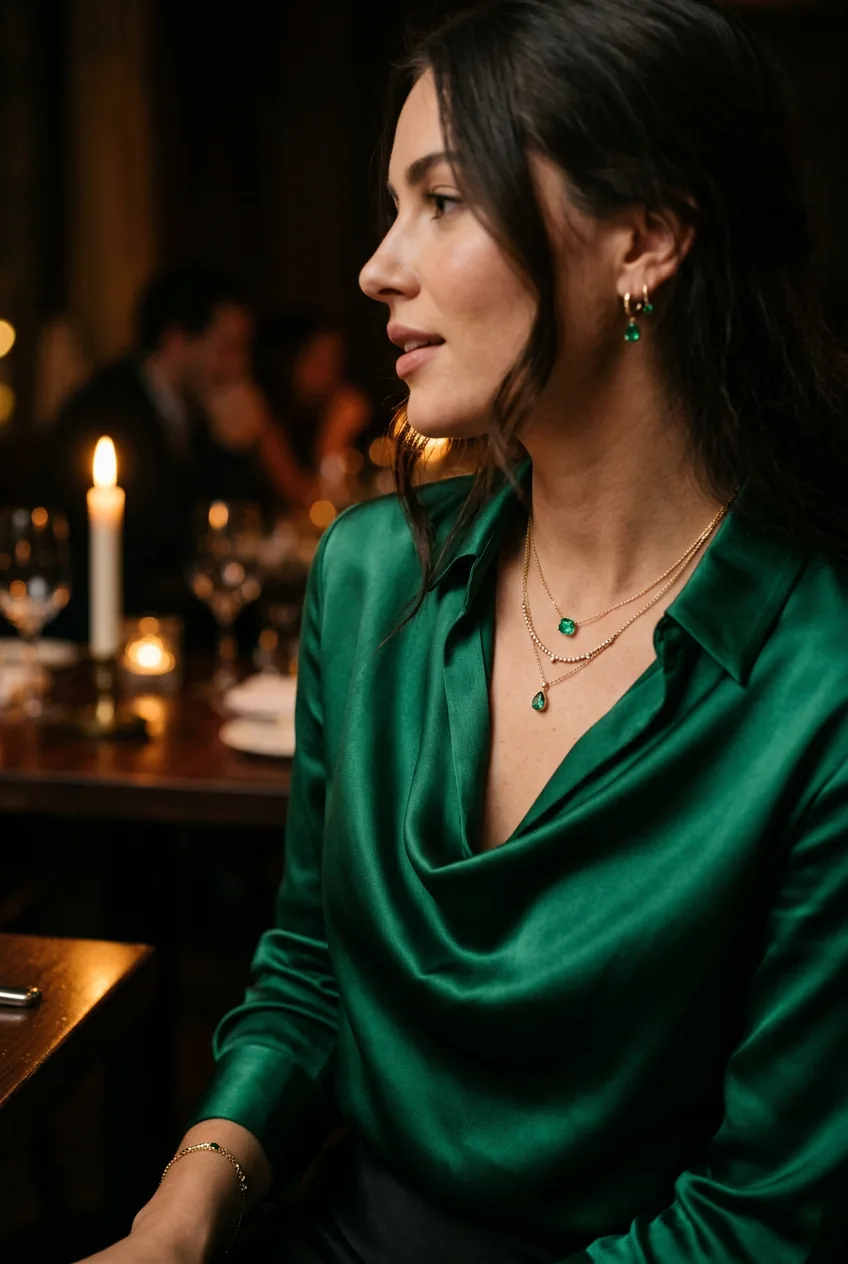
If you’re putting together something for a specific occasion — a birthday dinner, a party, one of those nights where you really want to dress to impress — that’s where I’d say go ahead and invest in one beautiful green piece you’ll wear again. A jewel-toned satin blouse or a structured emerald blazer will earn its cost-per-wear quickly if you actually love it.
On Trends You Should Skip
Okay, here’s where I get a little opinionated — and I say this with love. Head-to-toe matchy-matchy green sets looked fun on the runway and on Instagram, and then about four months later everyone quietly stopped wearing them. I bought into this in a small way and I regret it. Monochromatic dressing works beautifully in neutrals; in a saturated color like green, it can tip into looking like you’re wearing a themed costume rather than an actual outfit. One strong green piece is almost always more powerful than four green pieces trying to coordinate.
I’d also gently suggest skipping any green that’s being marketed specifically as “the color of the season” by fast fashion right now. Not because it’s wrong to follow trends — follow whatever makes you happy — but because those very-of-the-moment shades get overexposed fast and then feel tired. The greens that age well tend to be the quieter ones: sage, deep moss, hunter, true emerald. Classic botanical palette stuff. The building a color-aware capsule approach is genuinely worth reading up on if you want green to feel fresh in your closet for years.
Also: green and brown together is a beautiful combination and more people should lean into it. The green and burgundy is stunning and slightly unexpected. Green and cream or white is fresh and easy. Green and black is reliable but a little safe — you can do better.
On Styling Green Without Overthinking It
This is the section where I want to free you from the pressure of getting it perfect. Green is genuinely one of the most forgiving colors to style because it has nature on its side — literally everything in a natural environment already coordinates with it. You can throw on an olive linen trouser with a cream top and tan sandals and you’re done. That outfit works. You didn’t have to think hard.
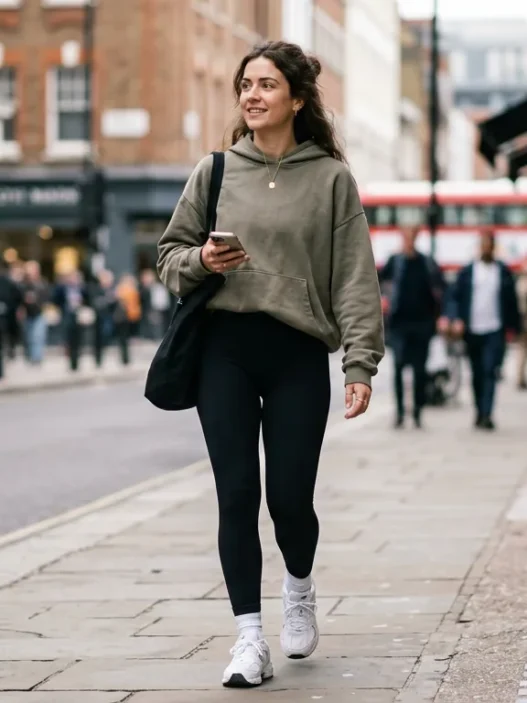
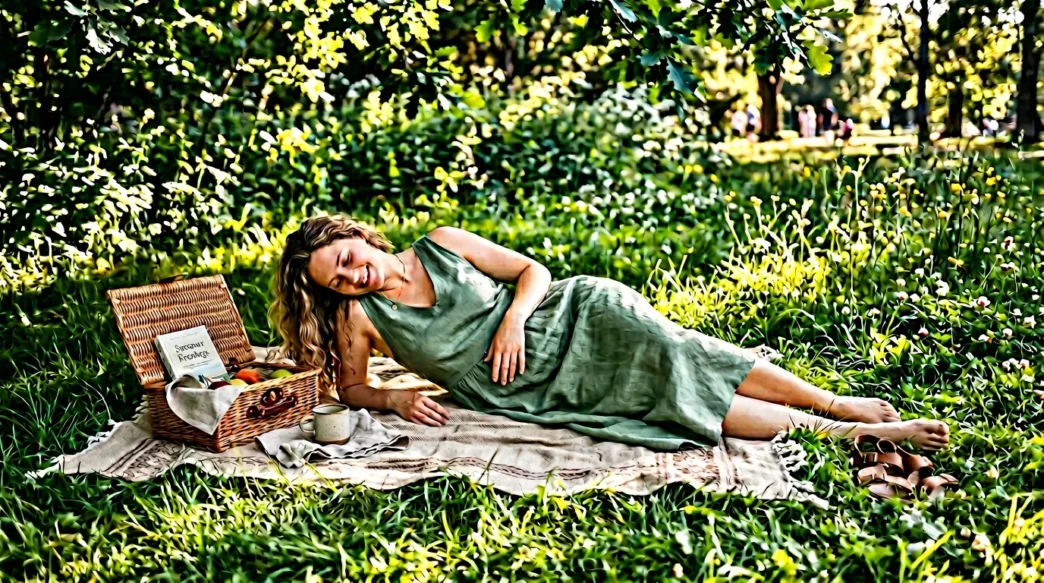
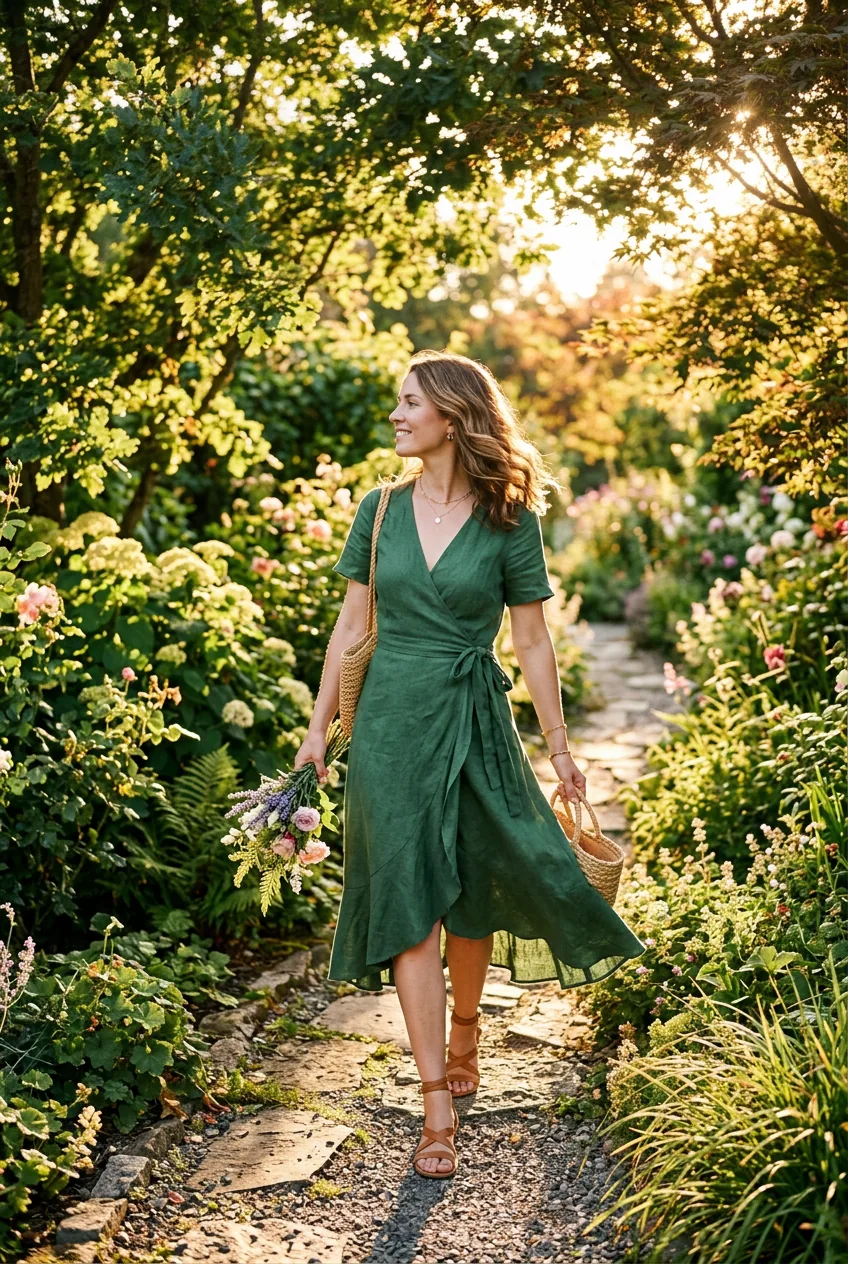
Look at how she’s wearing hers in the photo here — the flowing sage dress with simple tan strappy sandals and nothing else competing. That’s the whole look. The green does all the work. There’s something almost relieving about wearing a color that carries itself.
A few styling anchors I keep coming back to:
- Warm metallic jewelry (gold especially) with green is an immediate upgrade — it pulls out the warm, earthy depth in most green shades
- A tan or cognac leather bag with any green outfit looks intentional and styled without trying
- If you’re wearing a bright or saturated green, keep your shoes neutral — let the color be the statement
- For a more dressed-up green look, a pair of deep tortoiseshell or clear frame glasses adds something editorial without being fussy
Green also translates beautifully into occasion dressing. If you’re planning a stunning birthday outfit, an emerald or deep forest dress is genuinely one of the most photographable choices you can make — it reads as celebratory without being as expected as red or black.
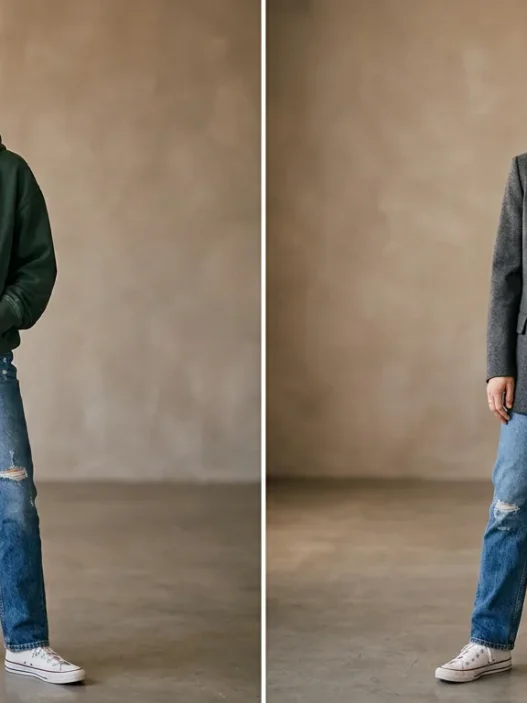
Seeing the Color Theory Work in Real Outfits
On What You’ll Feel Six Months Later
I want to end here because I think it’s the most honest thing I can say: the green outfit you feel slightly nervous about wearing is usually the one you’ll love most six months from now. I’ve found this to be true almost every time.
There’s something about wearing a color with actual presence — not a safe neutral, not a watered-down version of itself — that changes how you carry yourself in it. You stand differently. You commit to the outfit differently. And then people notice, not because the color is loud, but because you’re wearing it like you meant it.
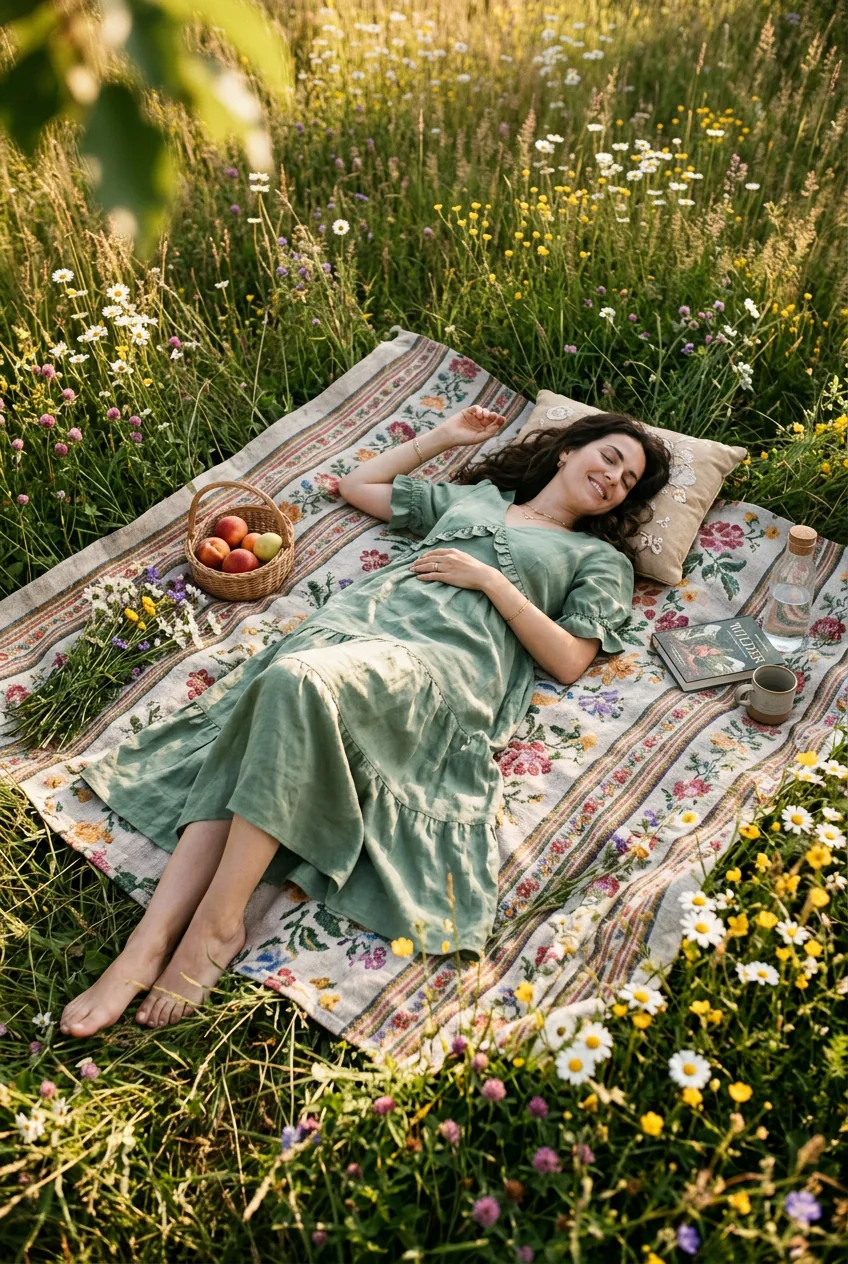
The sage linen set I was nervous about buying three years ago has been worn to the point of needing careful laundering. The emerald midi dress I almost returned because it felt “too much” got more compliments at that dinner than anything I’d worn in months. Green rewards commitment. It doesn’t do well with half-hearted styling or colors that apologize for themselves.
And if you’re exploring beyond the green outfit itself — maybe experimenting with new silhouettes or aesthetics entirely — there’s a whole world of western cowgirl outfits where olive and earthy greens fit in beautifully, by the way. Green is more versatile across aesthetics than people give it credit for.
Questions I Get About Wearing Green
What colors pair best with a green outfit?
Warm neutrals like cream, tan, and camel are my go-to pairings — they let the green breathe without competing. Brown is an underrated pairing that feels very current in 2026. If you want something with more contrast, burgundy and blush both work beautifully depending on the shade of green you’re working with.
Is green a good color for job interviews or professional settings?
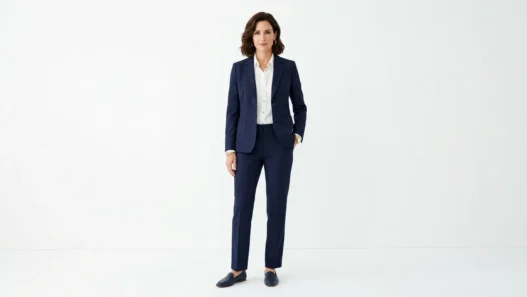
Yes — with a little calibration. Deep, muted greens like hunter, forest, or olive read as polished and confident in professional settings. Bright or saturated greens (lime, neon) are better saved for creative environments. A forest green blazer over a white blouse is genuinely one of the strongest interview looks you can put together right now. If you’re preparing a look for something like a casting or audition, green works especially well because it photographs distinctively without being distracting.
Can you wear green if you have a cool skin undertone?
Absolutely — you just need to reach for the right end of the green spectrum. Jewel-toned greens (emerald, teal-green, deep jade) and cool-toned sages tend to look incredible on cooler skin tones. Cool undertone color guide can help you narrow it down further if you want to be precise about it. The key is avoiding very yellow-based greens like chartreuse or warm olive, which can make cool undertones look sallow.
How do I wear green without looking like I’m in a costume?
One green piece at a time, and keep everything else grounded and neutral. The costume feeling usually comes from either full head-to-toe green coordination or pairing green with other saturated colors in a way that starts to look like a theme. Let the green be the star and style around it with pieces that recede rather than compete. Simple, high-quality basics in cream, tan, or white do that job perfectly.
Whatever you decide — whether you go all-in on an emerald statement dress or just test the waters with an olive scarf — you’ll be okay. Green is one of those colors that tends to find its way to the women who are meant to wear it. And once you land on your shade, you’ll wonder how you ever went without it.