








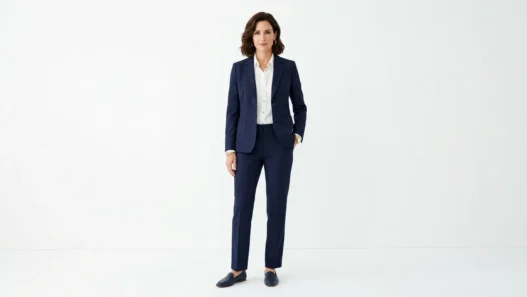


I still remember my first week at a corporate job in 2016, standing in my closet at 6 AM completely paralyzed. Everything I owned suddenly felt wrong — too casual, too formal, too trendy, too boring. I ended up wearing the same black pants and white shirt three days in a row because it was the only “safe” combination I could think of.
Ten years later, I’ve dressed for board meetings, creative agencies, startup cultures, and everything in between. I’ve made every office outfit mistake possible and figured out what actually works. Here’s everything I wish someone had told me from day one.
The Foundation Pieces Nobody Talks About
Everyone tells you to buy blazers and trousers, but the real foundation of office dressing lives in the details nobody mentions. Your underwear situation, for instance. A good strapless bra that doesn’t shift under structured pieces will change your entire relationship with blouses. I learned this the hard way during a presentation where I spent the whole time tugging at my shirt.

Camisoles are your secret weapon. Not the thin, clingy ones — invest in structured tanks with built-in bras or at least substantial fabric. They smooth everything out under sheer blouses and give you confidence when you take your blazer off. I have five in nude, white, and black, and they’re in constant rotation.
The shoes conversation starts with comfort, but it doesn’t end there. A low block heel (1-2 inches) in nude or black leather will carry you through 90% of office situations. Skip the stilettos for daily wear — you’ll walk differently, sit differently, and think differently when your feet hurt.
And here’s something controversial: I think the “investment blazer” advice is overrated for beginners. Start with two well-fitting blazers from mid-range brands rather than one expensive one. You need options while you’re figuring out your style, and variety matters more than perfection early on.
The Mix-and-Match Formula That Never Fails
I’ve built my entire work wardrobe around what I call the “Three Third Rule.” Every outfit has three components, and each should come from a different category: structured, soft, and interesting.
- Structured: Blazers, tailored trousers, pencil skirts, button-down shirts
- Soft: Silk blouses, knit sweaters, fluid pants, wrap dresses
- Interesting: Statement jewelry, printed scarves, textured fabric, unexpected colors

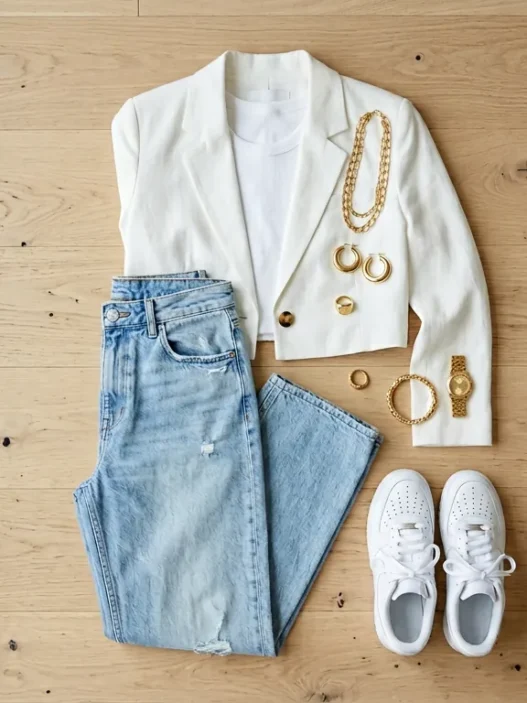
The magic happens when you combine them. Structured blazer + soft knit sweater + interesting necklace. Soft silk blouse + structured trousers + interesting shoes. You get the idea. This formula prevents the “too boring” trap and the “too much” trap at the same time.
Color-wise, I stick to a three-color palette per outfit maximum. Navy, cream, and gold. Black, white, and red. Gray, pink, and silver. It sounds limiting, but it’s actually liberating once you stop overthinking every combination.
The biggest game-changer? Learning to shop your own closet first. I photograph every new outfit combination on my phone for quick reference on busy mornings. It sounds extra, but it works.
Solving Your Biggest Office Style Problems
Problem: “I feel overdressed next to everyone in jeans.”
Solution: Bridge the gap with elevated casual pieces. Dark jeans with a silk blouse and blazer. A knit dress with structured accessories. You’ll feel put-together without looking like you’re from a different planet.

Problem: “Nothing fits right after having kids/gaining weight/body changes.”
Solution: Stop trying to fit into your old size and start dressing the body you have now. A-line dresses, wrap styles, and high-waisted pants with blouses tucked in are universally flattering. Also, get one good bra fitting — it will change everything.
Problem: “I’m too young/old for this office culture.”
Solution: Add one element that shifts the age perception. Too young? Add structured pieces and avoid anything too fitted or trendy. Feel too old? Incorporate one current element like modern glasses frames or updated bag styles.
Problem: “I can’t afford a whole new wardrobe.”
Solution: Start with five versatile pieces that work together. Two pairs of pants (one black, one navy or gray), two blazers, one dress. Build from there with accessories and different tops. Budget-friendly strategies can stretch your dollars further than you think.
The Subtle Power Moves
Real power dressing isn’t about shoulder pads and intimidation suits. It’s about looking like the most competent version of yourself. Here’s what I’ve learned actually works:
The “third piece” rule: Always add something beyond shirt and pants. A scarf, blazer, cardigan, or statement necklace. It signals intentionality without trying too hard. People notice when you look “put together” even if they can’t articulate why.

Color psychology is real, but not how you think. Red doesn’t make you more powerful — feeling confident in red makes you more powerful. If you feel amazing in navy, wear navy. If bright colors energize you, lean into that. Your confidence shows more than the color itself.
The bag matters more than you think. A structured handbag or good leather tote elevates everything else you’re wearing. It doesn’t have to be expensive, but it should hold its shape and look intentional. I’ve gotten more compliments on a $40 structured bag than on designer pieces.
Fit trumps everything. A $30 blazer that fits perfectly will look more expensive than a $300 blazer that’s too big. Learn your measurements and don’t be afraid of tailoring — even basic alterations can transform how you look and feel.
The Advanced Styling Secrets
Once you have the basics down, these are the tricks that separate good dressers from great ones:
Layer textures, not just colors. Silk under wool. Cotton under leather. Matte fabrics with shiny accessories. This creates visual interest even in neutral outfits and makes everything look more expensive.

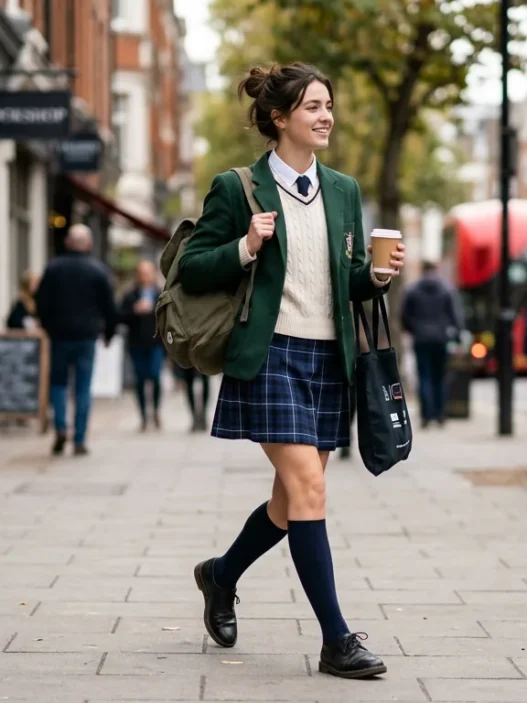
The “one unexpected element” rule: In a conservative outfit, add one slightly surprising detail. Leopard print shoes with a navy suit. A vintage brooch on a modern blazer. Colored tights with a classic dress. It keeps people engaged without breaking dress codes.
Proportion games: If you wear something oversized on top, balance it with fitted bottoms. Wide-leg pants need a more fitted top. This isn’t about hiding your body — it’s about creating interesting silhouettes that look deliberate.
The power of consistent small details: I always wear the same style of earrings (small gold hoops), the same lipstick formula (just different shades), and similar watch style. It creates a signature without being costume-y. People start to associate these elements with your personal style.
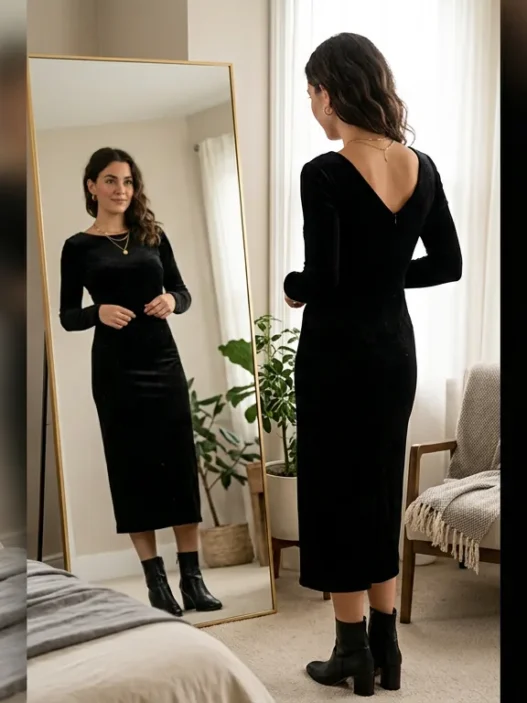
Seasonal transitions: Don’t pack away your summer dresses in October. Layer them with tights, boots, and cardigans. Your casual winter outfits can include unexpected pieces when styled thoughtfully.
See These Styling Tricks in Action
The Things I’m Still Learning
After a decade of this, I’m still figuring some things out. Like how to look polished in video calls without overdoing it. The camera adds formality, so what feels normal in person can look overdressed on screen. I’m experimenting with softer textures and more relaxed fits for virtual meetings.
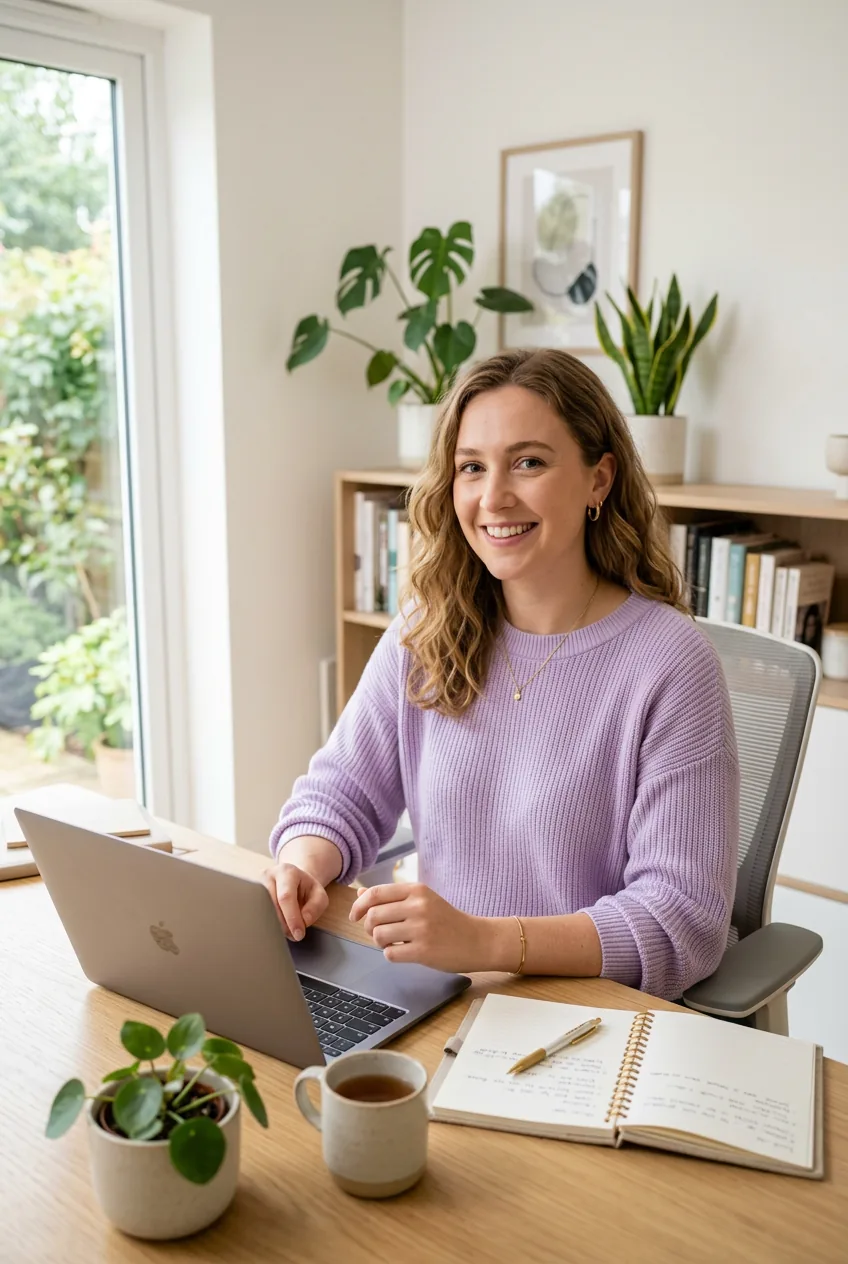
I’m also learning that office style rules are changing faster than ever. The lines between work and casual continue to blur, and what worked five years ago might not work now. I try to stay aware of how younger colleagues dress — not to copy them, but to understand the current language of professional appearance.
The sustainability question keeps evolving too. I want to buy less and choose better, but I also need variety for my job. I’m experimenting with renting special occasion pieces and buying more classic shapes that won’t date quickly. It’s a work in progress.
And honestly? I’m still learning how to dress for different company cultures without losing myself. Some environments call for more conservative choices, others reward creativity. Finding that balance between fitting in and standing out appropriately — that’s the eternal challenge.
The truth is, perfect office style doesn’t exist. But confident, intentional dressing does. Take what works for your life, your body, your budget, and your industry. Leave the rest. That’s the real secret I wish someone had told me ten years ago.
Questions I Get About Office Dressing
Can I wear the same outfit twice in one week?
Absolutely. Change one element — swap the blazer for a cardigan, or switch accessories — and most people won’t notice. I repeat successful combinations regularly because they make my mornings easier.
How many work outfits do I actually need?
Start with 7-10 complete looks that you love and feel confident wearing. This gives you flexibility without overwhelming choices. You can build from there as you figure out what works best for your lifestyle.
What if I work from home but have occasional office days?
Invest in pieces that work for video calls and in-person meetings. Structured tops that look polished on camera, comfortable bottoms you can wear all day, and one great blazer for important calls. Your vacation outfits might actually translate well to hybrid work situations.
How do I know if something is too casual or too formal?
Observe your workplace for a week before making judgments. Take note of what leadership wears versus entry-level employees. When in doubt, lean slightly more formal than casual — it’s easier to remove a blazer than to add polish to a too-casual look.
Should I follow fashion trends at work?
Incorporate trends through accessories and smaller details rather than major pieces. A trendy bag or current jewelry style can update your look without looking unprofessional. Current professional trends can guide you toward appropriate choices.