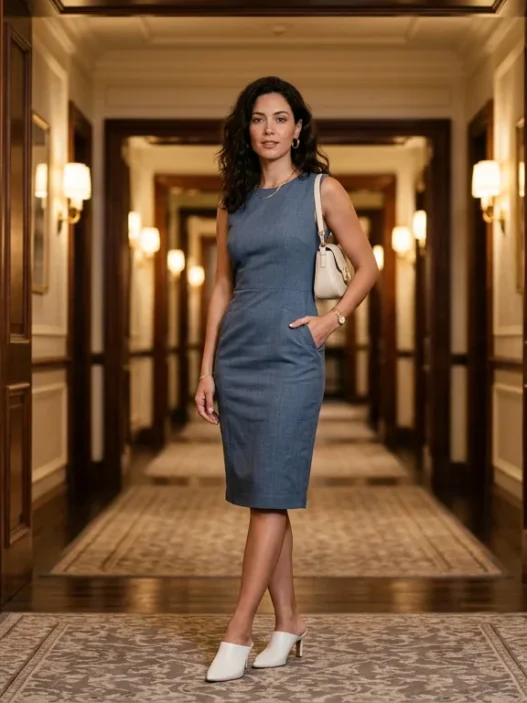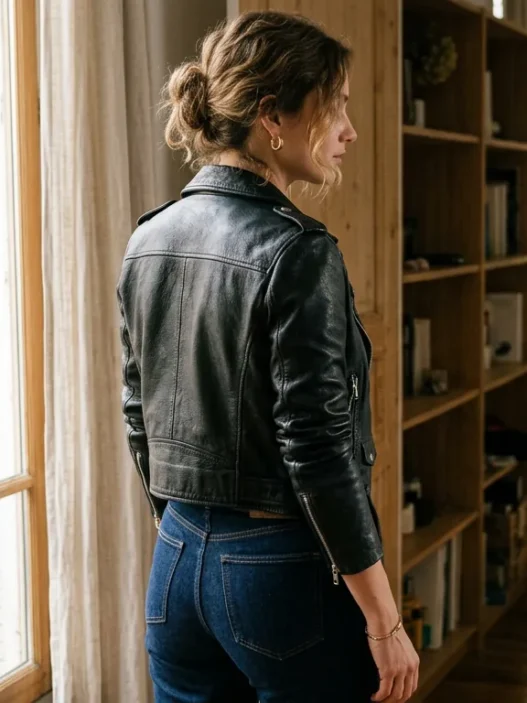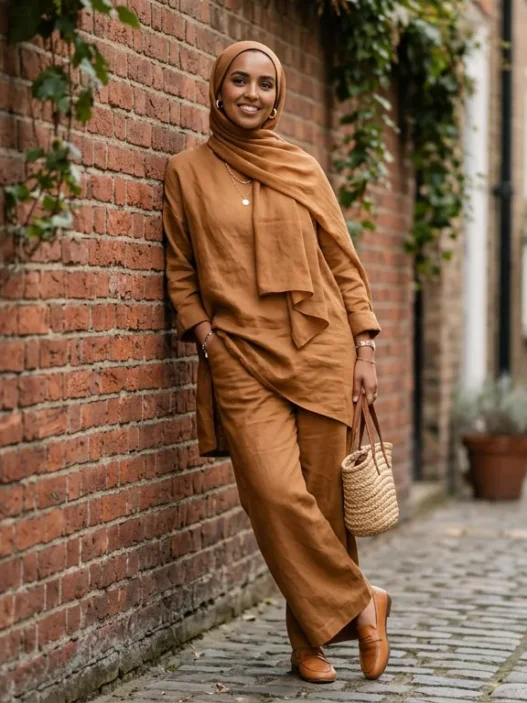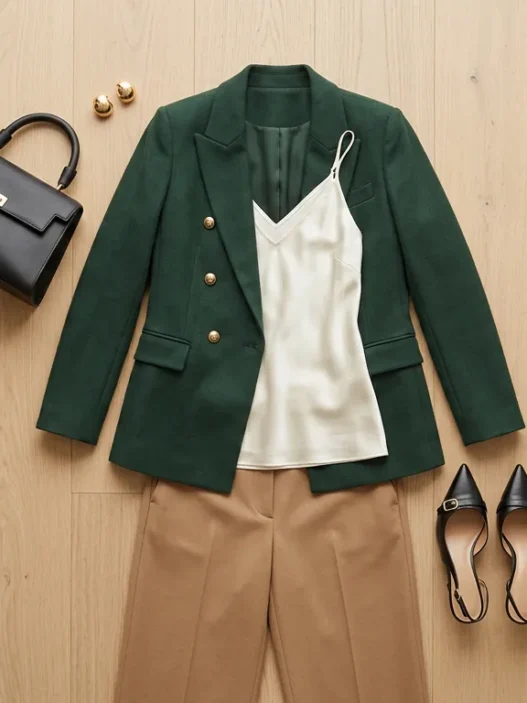










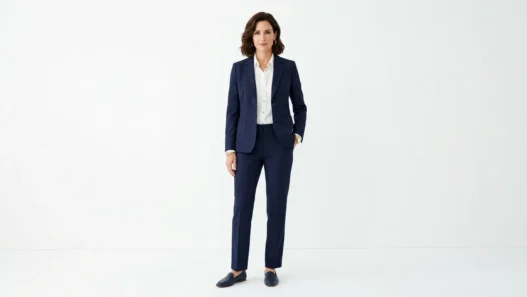


Last week, Sarah sent me a message that stopped me in my tracks. “I start a new corporate job next month and I’m completely overwhelmed by business professional dress codes. How do you actually wear these outfits without looking like you’re playing dress-up or spending your entire paycheck?” Her question hit me because I remember feeling exactly the same way eight years ago. And honestly? Most of the advice out there completely misses the mark.
The Question She Asked
Sarah’s question wasn’t really about clothes. It was about feeling confident in a space where she worried she didn’t belong yet. She’d landed an amazing position at a financial firm, but the dress code felt like a foreign language. “Business professional” sounds straightforward until you’re standing in a store wondering if that blazer looks too young, too old, too cheap, or too try-hard.
She mentioned scrolling through Pinterest and feeling even more confused. “These outfits are gorgeous but they look like they cost more than my rent. And honestly, some of them look so… stiff? I want to look professional but still feel like myself.”

The deeper question underneath was this: How do you navigate business professional outfits when you’re building your career, working with a real budget, and trying to maintain some personality in the process? Because let’s be honest — most of the advice assumes you already have a fully-stocked professional wardrobe and unlimited funds to maintain it.
What I Want to Say First
Here’s what I wish someone had told me when I was wrestling with the same questions: Business professional doesn’t mean you have to disappear behind your clothes. The goal is to look competent and polished, not to become a walking mannequin.
I spent my first year buying pieces that looked “right” but felt completely wrong on my body. Blazers that pulled across my shoulders. Pants that required specific undergarments to look decent. Shoes that left me limping by noon. I looked the part, but I felt like I was wearing a costume every single day.

The turning point came when I realized that business casual outfits and business professional outfits follow the same core principle: they should make your life easier, not harder. If an outfit makes you constantly adjust, worry, or feel uncomfortable, it’s not serving its purpose — no matter how “appropriate” it looks.
And here’s my slightly controversial opinion: Most business professional advice focuses way too much on what’s “appropriate” and not nearly enough on what actually works in real office environments. You need clothes that can handle a full day of meetings, commuting, and unexpected challenges — not just a single photo shoot.
The Honest Answer (With Context)
My approach to business professional outfits comes down to four non-negotiable elements: fit, fabric, versatility, and one signature detail that makes each outfit feel like you.
Fit is everything. I’d rather see someone in a perfectly-fitted, affordable blazer than an expensive one that doesn’t sit right on their body. When I’m shopping, I literally move around in the dressing room. Can I lift my arms? Walk normally? Sit without pulling or gaping? If the answer is no, it doesn’t matter how beautiful the piece is.

Fabric matters more than price tag. I’ve learned to feel fabrics before I even look at price. Ponte blazers move better than traditional wool for long days. Ponte pants don’t wrinkle like cotton. Stretch fabrics in structured silhouettes give you professional polish with comfort. Professional blazer fabrics can make or break your entire day.
Versatility is your budget’s best friend. Every piece I buy needs to work in at least three different combinations. A good blazer should look appropriate with dress pants, a pencil skirt, and even dark jeans for more casual Fridays. My office outfits all follow this mixing-and-matching principle.

The signature detail is where your personality lives. Maybe it’s always wearing interesting earrings. Maybe it’s choosing blazers in unexpected colors like navy instead of black. For me, it’s usually shoes — I invest in really beautiful flats and heels that make even basic outfits feel special.
My current go-to formula: well-fitted blazer + comfortable but polished pants or skirt + quality top that doesn’t wrinkle + shoes I can actually walk in + one personal touch. It sounds simple, but it took me years to figure out what “well-fitted” and “comfortable but polished” actually meant for my body and lifestyle.
See These Principles in Action
The Part Most People Don’t Realize
Here’s what most business professional outfit guides completely ignore: your actual work environment matters more than abstract dress code rules. I learned this the hard way when I started paying attention to what the successful women in my office actually wore versus what the employee handbook suggested.
The senior women I admired weren’t following some rulebook. They had developed personal uniforms that worked for their bodies, their roles, and their daily reality. Some wore the same style of blazer in multiple colors. Others had found their perfect dress silhouette and bought it in different prints. They looked polished and professional, but they also looked like themselves.

This observation changed how I approach conference outfits and important meetings too. Instead of trying to look like everyone else, I focused on looking like the best, most confident version of myself.
Another thing people don’t talk about enough: seasonal adaptation. Summer business professional outfits require different strategies than winter ones. In July, I prioritize breathable fabrics and styles that won’t show sweat. In January, I layer strategically so I can adjust for different building temperatures throughout the day.
And here’s the part that might surprise you — some of my most complimented business professional outfits include pieces from unexpected places. I have a blazer from Target that fits better than ones I’ve tried on at department stores. I have dress-to-impress pieces from discount retailers that look far more expensive than they were.

The secret isn’t where you shop — it’s knowing what works on your body and being willing to try pieces on before you buy them. Budget professional wardrobe building doesn’t have to mean compromising on style or fit.
Finally, here’s what I told Sarah and what I want to share with you: confidence comes from feeling comfortable in what you’re wearing. If you’re constantly adjusting, worrying about fit, or feeling like you’re playing dress-up, that energy shows. But when you find business professional outfits that work with your life instead of against it, you can focus on the work itself — which is the whole point.
Questions I Get About This
How many business professional outfits do I actually need to start?
Five complete outfits will get you through your first few weeks comfortably. Focus on pieces that mix and match rather than buying five completely separate outfits. Two blazers, three bottoms, and four tops give you multiple combinations.
What if I gain or lose weight after buying professional clothes?
This is why I always recommend starting with a smaller wardrobe and pieces that have some stretch or adjustability. Blazers with some stretch fabric and pants with elastic waistbands (that still look professional) can accommodate small fluctuations. For bigger changes, good tailoring is often more affordable than replacing everything.
Can I wear the same blazer multiple times in one week?
Absolutely, especially if you style it differently each time. Pair it with different tops, bottoms, and accessories. Most people won’t notice, and those who do will probably admire your styling skills rather than judge you for rewearing pieces.
How do I handle business professional dress codes in summer heat?
Look for lightweight fabrics like cotton blends, linen blends, and moisture-wicking materials. Sleeveless blazers, breathable dress pants, and dresses with blazers you can remove indoors work well. Keep a light cardigan at your desk for air-conditioned spaces.
Building a business professional wardrobe that actually works for your life takes time, but it’s so worth the investment in yourself. Start with the basics, pay attention to what makes you feel confident, and remember that the best professional outfit is one that lets your competence shine through.